
Optimizing gut health in 2026 through a practical 7-day meal plan featuring probiotic-rich foods available nationally in the U.S. can significantly improve digestion and overall well-being.
Are you ready to transform your digestive health and boost your overall well-being? In 2026, the focus on gut health is more critical than ever, and a targeted approach can yield remarkable results. This article will guide you through optimizing gut health in 2026: a practical 7-day meal plan featuring probiotic-rich foods available nationally in the U.S. for improved digestion, providing you with actionable steps to nourish your microbiome.
Understanding the Gut Microbiome and Its Importance
The human gut is a complex ecosystem, home to trillions of microorganisms collectively known as the gut microbiome. This intricate community plays a pivotal role far beyond just digestion; it influences our immune system, mood, metabolism, and even cognitive function. A balanced and diverse microbiome is essential for optimal health, acting as a cornerstone of overall wellness.
When the gut microbiome is out of balance, a condition known as dysbiosis, it can lead to various health issues, from digestive discomfort like bloating and irregular bowel movements to more systemic problems such as inflammation, weakened immunity, and even mental health challenges. Nurturing this internal garden with the right foods is a proactive step towards preventing these issues and fostering a healthier, more vibrant you.
The Role of Probiotics and Prebiotics
Probiotics are live microorganisms that, when consumed in adequate amounts, confer a health benefit to the host. They are often referred to as ‘good bacteria’ and can be found in fermented foods or supplements. Prebiotics, on the other hand, are non-digestible food components that selectively stimulate the growth and activity of beneficial bacteria already residing in the gut. Together, they form a formidable team for gut health.
- Probiotics: Directly introduce beneficial bacteria to the gut, helping to restore balance.
- Prebiotics: Act as food for existing good bacteria, encouraging their growth and activity.
- Synbiotics: Products or foods that contain both probiotics and prebiotics, offering a synergistic benefit.
Incorporating both into your diet ensures a comprehensive approach to supporting your gut. Understanding their distinct roles is the first step in crafting an effective meal plan for improved digestion and overall vitality.
The Foundations of a Gut-Healthy Diet
Building a diet that supports a thriving gut microbiome involves more than just adding fermented foods. It requires a holistic approach that emphasizes whole, unprocessed foods, ample fiber, and a variety of plant-based ingredients. Reducing intake of processed sugars, artificial sweeteners, and unhealthy fats is equally crucial, as these can negatively impact gut diversity and promote inflammation.
A balanced gut-healthy diet also prioritizes hydration, as water is essential for digestive function and nutrient absorption. Furthermore, mindful eating practices, such as chewing food thoroughly and eating without distraction, can significantly aid digestion and reduce the burden on your gut.
Key Food Groups for Gut Health
Focusing on specific food groups can simplify the process of building a gut-friendly meal plan. These include fiber-rich fruits and vegetables, whole grains, and, of course, fermented foods. Each group contributes unique nutrients and compounds that nourish the gut microbiome and support digestive health.
- Fermented Foods: Yogurt, kefir, kimchi, sauerkraut, kombucha, tempeh.
- High-Fiber Foods: Berries, apples, bananas, leafy greens, broccoli, lentils, beans, oats, flaxseeds.
- Healthy Fats: Avocado, olive oil, nuts, seeds, fatty fish (salmon).
- Lean Proteins: Chicken, turkey, fish, tofu, legumes.
By making these staples part of your regular diet, you create an environment where beneficial bacteria can flourish, leading to improved digestion and enhanced overall health. This foundational knowledge is key to successfully implementing any gut health meal plan.
Your 7-Day Gut Health Meal Plan: Day 1-3
This practical 7-day meal plan is designed with accessibility in mind, focusing on probiotic-rich foods readily available across the U.S. Each day is structured to provide a balanced intake of nutrients, fiber, and beneficial bacteria to kickstart your gut health journey. Remember to drink plenty of water throughout the day.
Day 1: Starting Strong with Fermentation
Begin your week by introducing a variety of fermented foods. This helps populate your gut with diverse strains of beneficial bacteria, laying the groundwork for improved digestion and nutrient absorption.
- Breakfast: Greek yogurt (plain, unsweetened) with a handful of berries and a tablespoon of flaxseeds.
- Lunch: Large salad with mixed greens, grilled chicken, a generous serving of sauerkraut, and a light vinaigrette.
- Dinner: Tempeh stir-fry with a variety of colorful vegetables (broccoli, bell peppers, carrots) and brown rice.
- Snack: Small glass of kefir or a kombucha.
This day emphasizes both probiotics from yogurt and sauerkraut, and prebiotics from the fiber in berries, flaxseeds, and vegetables. Tempeh provides a plant-based protein source along with its fermented benefits.
Day 2: Fiber and Diversity
Today focuses on increasing fiber intake and diversifying your plant-based foods, which feeds your gut bacteria and promotes a healthy digestive system. Fiber is crucial for regular bowel movements and maintaining gut integrity.
- Breakfast: Oatmeal cooked with water or unsweetened almond milk, topped with sliced banana and a sprinkle of chia seeds.
- Lunch: Lentil soup with a side of whole-grain bread and a small portion of kimchi.
- Dinner: Baked salmon with roasted sweet potatoes and steamed asparagus.
- Snack: Apple slices with a tablespoon of almond butter.
The lentils, oats, and vegetables provide a significant fiber boost, while kimchi continues to supply beneficial probiotics. Salmon offers omega-3 fatty acids, which are known for their anti-inflammatory properties that can further support gut health.
Day 3: Sustained Probiotic Intake
Continue to incorporate fermented foods while ensuring a steady supply of whole foods. Consistency is key when it comes to nurturing your gut microbiome, and regular intake of probiotics is essential.
- Breakfast: Smoothie made with spinach, half a banana, a scoop of unsweetened protein powder, and half a cup of plain kefir.
- Lunch: Whole-wheat wrap filled with hummus, mixed greens, cucumber, and a side of pickles (fermented, not vinegar-based).
- Dinner: Chicken and vegetable skewers with quinoa.
- Snack: A small bowl of cottage cheese with a few slices of peach.
The kefir in the smoothie and fermented pickles offer a steady stream of probiotics. The diverse vegetables and quinoa contribute essential fiber and micronutrients, supporting overall digestive function.
Your 7-Day Gut Health Meal Plan: Day 4-7
As you progress through the week, you’ll notice a natural rhythm emerging in your dietary choices. The aim is to make these gut-friendly habits sustainable beyond the initial seven days. Continue to focus on variety and listen to your body’s responses.
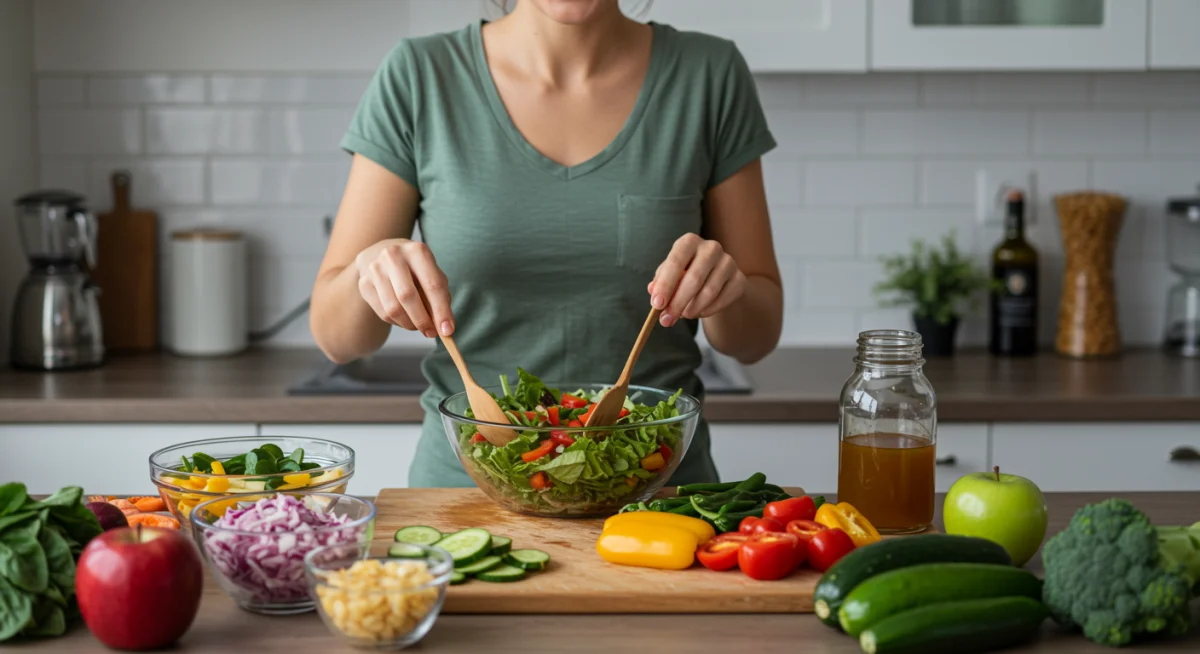
Day 4: Exploring New Fermented Options
Today is a good day to try a different type of fermented food or experiment with new combinations. Expanding your palate also expands the diversity of beneficial bacteria entering your system.
- Breakfast: Scrambled eggs with sautéed spinach and a slice of whole-grain toast with avocado.
- Lunch: Mixed bean salad (chickpeas, black beans, kidney beans) with a light lemon-herb dressing and a side of homemade fermented salsa.
- Dinner: Turkey meatballs with zucchini noodles and a tomato sauce.
- Snack: A handful of almonds and a small cup of plain yogurt.
The fermented salsa adds a new probiotic dimension, while the diverse beans provide substantial fiber and plant-based protein. This combination ensures your gut receives a wide array of nutrients to thrive.
Day 5: Revitalizing with Greens and Grains
Emphasize leafy greens and whole grains today to ensure a robust fiber intake, essential for gut motility and nourishing your gut bacteria. These foods also provide a wealth of vitamins and minerals.
- Breakfast: Green smoothie with kale, banana, unsweetened almond milk, and a tablespoon of almond butter.
- Lunch: Quinoa bowl with roasted vegetables (Brussels sprouts, carrots) and a spoonful of kimchi.
- Dinner: Chicken breast baked with herbs, served with a large mixed green salad and a side of wild rice.
- Snack: Pear slices with a small piece of cheese.
The kale and other vegetables are packed with prebiotics, while quinoa and wild rice offer complex carbohydrates and fiber. The kimchi ensures continued probiotic support, making this a truly gut-supporting day.
Day 6: Legumes and Lean Protein Focus
Legumes are powerhouses of fiber and plant-based protein, making them excellent for gut health. Pairing them with lean protein ensures you stay full and energized while supporting your microbiome.
- Breakfast: Whole-grain toast with mashed avocado and everything bagel seasoning.
- Lunch: Tuna salad (made with Greek yogurt instead of mayonnaise) served in lettuce cups with a side of fermented carrots.
- Dinner: Black bean burgers on whole-wheat buns with a side salad.
- Snack: A handful of walnuts and a small glass of kombucha.
The black beans provide an excellent source of fiber and prebiotics, while the Greek yogurt in the tuna salad and the kombucha offer beneficial probiotics. This day balances protein, fiber, and gut-friendly ferments effectively.
Day 7: Reflect and Recharge
Your final day of the plan focuses on consolidating the healthy eating habits you’ve started to build. Reflect on how you feel and consider making these changes a permanent part of your lifestyle. It’s also a great day to enjoy a slightly more relaxed, yet still gut-friendly, meal.
- Breakfast: Cottage cheese with pineapple chunks and a sprinkle of pumpkin seeds.
- Lunch: Leftover black bean burger or a large bowl of vegetable soup with a spoonful of sauerkraut.
- Dinner: Homemade pizza on a whole-wheat crust with plenty of vegetables (mushrooms, onions, bell peppers) and a light sprinkling of cheese.
- Snack: Edamame (steamed) or a small bowl of berries.
This day allows for flexibility while maintaining the core principles of gut health. The cottage cheese provides protein and some probiotics, and the vegetables on the pizza contribute fiber. The goal is to make healthy eating an enjoyable and sustainable part of your routine.
Beyond the 7 Days: Sustaining Gut Health in 2026
Completing this 7-day meal plan is a fantastic achievement, but it’s just the beginning of your journey towards sustained gut health. The principles you’ve learned—incorporating probiotic and prebiotic-rich foods, focusing on whole ingredients, and staying hydrated—are habits worth carrying forward into your daily life. Remember that consistency and variety are key to maintaining a diverse and robust gut microbiome.
Consider integrating a wider range of fermented foods and exploring different types of fiber-rich fruits, vegetables, and grains. The more diverse your diet, the more diverse your gut bacteria will become, leading to greater resilience and improved health outcomes. Listen to your body and adjust your diet as needed; everyone’s microbiome is unique.
Lifestyle Factors for Optimal Gut Health
While diet is paramount, other lifestyle factors significantly impact gut health. Stress, sleep, and physical activity all play crucial roles in maintaining a balanced microbiome. Addressing these areas alongside your dietary changes will provide a more comprehensive approach to well-being.
- Stress Management: Chronic stress can negatively alter gut bacteria. Practice mindfulness, meditation, or yoga.
- Adequate Sleep: Aim for 7-9 hours of quality sleep per night. Sleep deprivation can disrupt gut flora.
- Regular Exercise: Physical activity can increase gut microbial diversity and improve gut motility.
- Hydration: Drink plenty of water throughout the day to support digestive function.
By adopting these holistic practices, you create an environment that not only supports a healthy gut but also enhances your overall physical and mental health. Sustaining gut health in 2026 is about cultivating a lifestyle that nourishes your entire being.
| Key Aspect | Brief Description |
|---|---|
| Probiotic-Rich Foods | Introduce beneficial bacteria through yogurt, kefir, kimchi, and sauerkraut for gut balance. |
| High-Fiber Intake | Consume diverse fruits, vegetables, and whole grains to feed gut bacteria and aid digestion. |
| Hydration | Drink ample water daily to support digestive processes and overall gut function. |
| Holistic Approach | Combine diet with stress management, sleep, and exercise for comprehensive gut wellness. |
Frequently Asked Questions About Gut Health
Probiotics are live beneficial bacteria and yeasts that naturally live in your body, especially your gut. They are crucial for maintaining a healthy balance of microorganisms in the digestive tract, aiding digestion, boosting immunity, and even influencing mood and nutrient absorption.
Conclusion
Embarking on a journey to optimize your gut health in 2026 is one of the most impactful steps you can take for your overall well-being. This practical 7-day meal plan, focused on probiotic-rich foods readily available across the U.S., provides a clear and actionable roadmap to improved digestion and a more balanced microbiome. By consistently nourishing your gut with diverse whole foods and adopting supportive lifestyle practices, you’re not just improving your digestive system; you’re investing in a healthier, more vibrant future. Remember, every bite is an opportunity to nurture your internal ecosystem and cultivate lasting wellness.
Artigos Relacionados
Nutrition & Diet: How much protein do Americans need?
Nutrition & Diet: How Much Protein Do Americans Really Need Each Day? Learn realistic daily targets, common mistakes, and simple meal tips.

Nutrition & Diet for Better Sleep: easy foods that help
Nutrition & Diet for Better Sleep guides food choices and evening habits to fall asleep faster, wake refreshed, and recover better.
Nutrition & Diet Myths explained: stop these errors
Nutrition & Diet Myths explained to help you spot common mistakes, make smarter choices, and improve everyday healthy eating habits.