Insider Secrets for Meal Prepping Healthy Recipes: Save 2 Hours Weekly
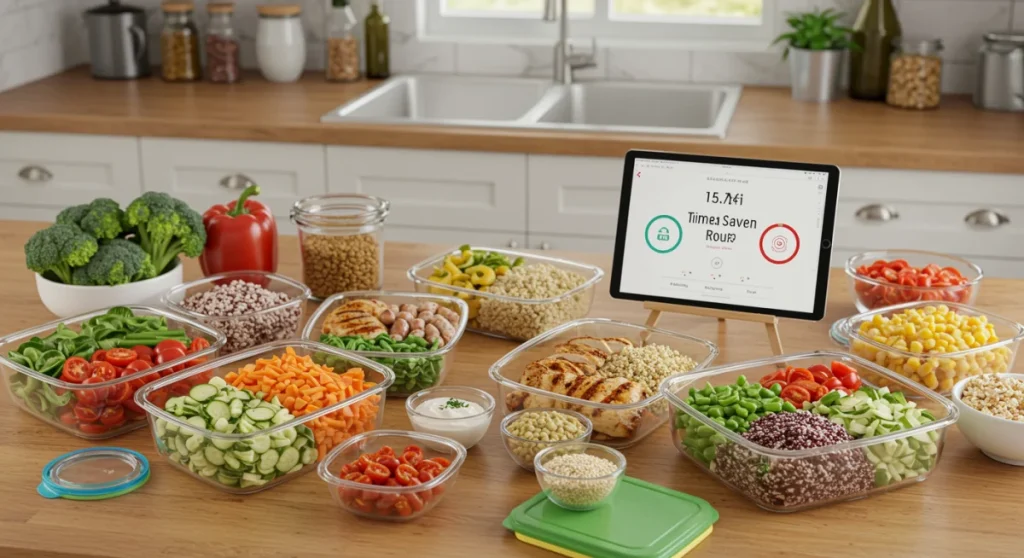
Insider secrets for meal prepping healthy recipes in 2026 involve strategic planning, smart ingredient sourcing, and efficient cooking techniques to save up to two hours weekly and simplify healthy eating.
Are you tired of the daily scramble to put a nutritious meal on the table? Do you wish you had more time in your week, perhaps two extra hours, to dedicate to yourself or loved ones? Unlocking the power of meal prepping healthy recipes is not just a trend; it’s a transformative lifestyle strategy that can significantly streamline your approach to healthy eating. This guide will reveal the insider secrets and three expert strategies for 2026 that will revolutionize your kitchen routine, enabling you to save valuable time and consistently enjoy delicious, wholesome meals.
Understanding the Meal Prep Revolution: Beyond Just Cooking Ahead
Meal prepping has evolved far beyond simply cooking a large batch of food on Sunday. In 2026, it’s about a holistic approach to nutrition, time management, and mental well-being. It’s about making conscious choices that support your health goals while minimizing daily stress. Many people still view meal prep as a daunting task, associating it with bland, repetitive meals. However, modern meal prepping is dynamic, diverse, and surprisingly flexible.
The core philosophy of effective meal prepping in 2020s is about strategic foresight. It involves anticipating your nutritional needs, planning your meals with intention, and executing your cooking in a way that maximizes efficiency. This isn’t just about saving time; it’s about reducing food waste, controlling portion sizes, and ensuring you have access to nutrient-dense options even on your busiest days. The benefits extend beyond the kitchen, impacting your budget, energy levels, and overall health.
The Evolution of Meal Prep Techniques
Modern meal prep isn’t one-size-fits-all. There are various methods, each suited to different lifestyles and preferences. Understanding these approaches can help you choose what works best for you and truly save those two hours weekly.
- Batch Cooking: Preparing large quantities of a single dish or component (e.g., a big pot of chili, roasted vegetables) to be consumed over several days. This is excellent for staples.
- Ingredient Prep: Chopping vegetables, cooking grains, or marinating proteins ahead of time, allowing for quick assembly of different meals throughout the week.
- Freezer Meals: Assembling entire meals or components that can be frozen and reheated, perfect for busy weeks or unexpected events.
- Hybrid Approach: Combining elements of all methods to create a flexible and varied meal plan that suits your individual needs.
By embracing these diverse techniques, you can avoid meal prep burnout and keep your healthy eating journey exciting. The key is to find a rhythm that integrates seamlessly into your life, rather than feeling like another chore. This adaptability is crucial for long-term success and for truly saving time.
Strategy 1: Masterful Menu Planning and Ingredient Sourcing
The foundation of successful meal prepping healthy recipes lies in meticulous planning. Without a clear roadmap, you risk aimless grocery shopping, wasted ingredients, and ultimately, more time spent than saved. In 2026, masterful menu planning integrates digital tools, seasonal awareness, and smart grocery shopping to create a seamless process.
Start by assessing your week. Consider your schedule, commitments, and energy levels. On days you know will be hectic, plan for quick-assembly meals. On days with more free time, you might allocate an hour for a more involved cooking session. This foresight prevents last-minute stress and ensures your prepped meals align with your actual needs. Think about variety to keep your palate engaged and your nutritional intake balanced. Repeating the same meal too often can lead to boredom and a lapse in your healthy eating habits.
Leveraging Digital Tools for Efficiency
Technology has made menu planning more accessible than ever. Utilize apps and online platforms to streamline your process.
- Meal Planning Apps: Tools like PlateJoy or Mealime can generate customized meal plans based on your dietary preferences, allergies, and even what ingredients you have on hand.
- Digital Grocery Lists: Apps such as AnyList or Paprika allow you to create and share grocery lists, often integrating directly from your meal plan. This minimizes impulse buys and ensures you don’t forget essential items.
- Recipe Databases: Websites and apps offer vast libraries of healthy recipes, many with meal prep instructions, helping you discover new ideas and optimize cooking times.
These tools not only save time during the planning phase but also reduce mental load, freeing up cognitive resources for other tasks. They help you organize your thoughts and translate them into actionable steps, making the entire process more efficient.
Smart Ingredient Sourcing: Quality and Cost-Effectiveness
Once your menu is set, smart ingredient sourcing becomes paramount. This involves not just where you shop, but how you shop. Prioritize fresh, seasonal produce, which is often more nutrient-dense and cost-effective. Consider local farmers’ markets for quality ingredients and to support your community.
For pantry staples and non-perishables, buying in bulk can offer significant savings. However, be mindful of expiration dates and storage space. Utilize online grocery delivery or curbside pickup services to save time at the store. Many services now offer features that remember your past purchases, making reordering even faster. Look for sales and discounts, and plan your meals around those deals to maximize your budget without compromising on health. This strategic approach to sourcing is a cornerstone of saving time and money in your meal prep journey.
Strategy 2: Optimized Cooking Techniques for Maximum Time Savings
Once you have your plan and ingredients, the next crucial step in meal prepping healthy recipes is to optimize your cooking process. This means employing techniques that minimize active cooking time and maximize output. The goal is to get the most done in the least amount of time, typically dedicating one or two focused sessions per week.
Think about parallel processing – cooking multiple items simultaneously. For instance, while grains are simmering on one burner, you can be roasting vegetables in the oven and sautéing a protein on another burner. This multi-tasking approach is a game-changer for efficiency. Also, consider the order of operations: start with ingredients that take the longest to cook and work your way down. This ensures everything finishes around the same time, preventing delays.
Batch Cooking Fundamentals
Batch cooking is a cornerstone of time-saving meal prep. It involves preparing large quantities of versatile components that can be mixed and matched into various meals.
- Grains: Cook a large batch of quinoa, brown rice, or farro. These can be used as bases for bowls, salads, or side dishes.
- Proteins: Roast a whole chicken, grill a large batch of chicken breasts, or prepare a big pot of lentils or beans. These can be added to salads, wraps, or served as main courses.
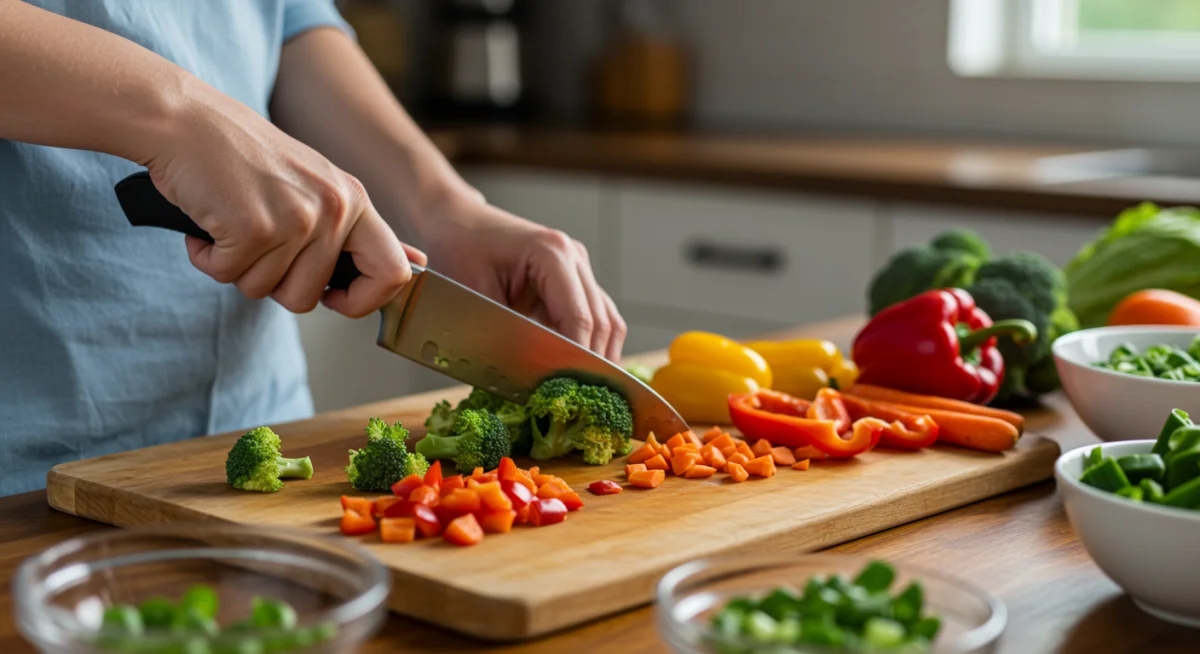
- Roasted Vegetables: Chop and roast a variety of vegetables like broccoli, bell peppers, sweet potatoes, and carrots. They are delicious hot or cold and pair well with almost anything.
By having these components ready, you can assemble a fresh meal in minutes, eliminating the need to cook from scratch daily. This significantly cuts down on overall kitchen time throughout the week, easily saving you an hour or more.
Utilizing Kitchen Gadgets and Appliances
Modern kitchen appliances are designed to save time and effort. Integrating them into your meal prep routine can dramatically increase your efficiency.
Consider the Instant Pot or a similar multi-cooker. These devices can cook grains, stews, and even whole chickens in a fraction of the time compared to traditional methods. Air fryers are excellent for quickly crisping vegetables or reheating prepped proteins. Slow cookers allow you to set and forget, preparing tender meats and hearty stews with minimal supervision. A good food processor can handle chopping, slicing, and dicing in seconds, saving valuable knife-work time. Investing in these tools can pay dividends in the form of saved time and reduced cooking stress. They are not just conveniences; they are strategic assets for efficient meal preparation.
Strategy 3: Smart Storage, Assembly, and Meal Variety
The final pillar of effective meal prepping healthy recipes involves how you store your food, assemble your meals, and maintain variety to prevent palate fatigue. Proper storage is crucial for food safety and longevity, ensuring your efforts don’t go to waste. Thoughtful assembly makes grab-and-go meals truly convenient, and strategic variety keeps you motivated and engaged in your healthy eating journey.
Once your food is cooked, cooling it quickly and storing it correctly is paramount. Divide larger batches into individual portions as soon as they’ve cooled sufficiently. This prevents cross-contamination and makes reheating easier. Labeling containers with the date and contents is a simple yet effective practice that saves time and guesswork later in the week. This organized approach extends the shelf life of your prepped meals and keeps your refrigerator tidy.
Effective Food Storage Solutions
The right storage containers are an investment that pays off in convenience and food preservation. Look for high-quality, airtight containers that are BPA-free and microwave-safe.
- Glass Containers: Durable, non-toxic, and excellent for reheating. They don’t stain or retain odors.
- Stackable Containers: Maximize refrigerator and freezer space.
- Bags and Wraps: Use silicone bags or beeswax wraps for certain items to reduce plastic waste and keep produce fresh.
- Vacuum Sealers: For longer-term storage, especially for freezer meals, vacuum sealing can extend freshness significantly.
Proper storage not only preserves the quality and taste of your food but also prevents spoilage, reducing food waste and saving you money. It ensures that when you reach for a prepped meal, it’s as fresh and appealing as possible.
Creative Assembly and Preventing Boredom
One of the biggest challenges in meal prepping is avoiding monotony. The key is to prep components, not just entire meals. This allows for flexibility and variety in your daily assembly.
For example, a batch of roasted chicken can become part of a salad, a wrap, a stir-fry, or a bowl with different sauces and vegetables each day. Similarly, cooked grains can be transformed into breakfast porridge, a savory lunch bowl, or a side dish for dinner. Keep a variety of dressings, spices, and fresh herbs on hand to add different flavors to your base ingredients. Don’t be afraid to experiment with different cuisines throughout the week. By thinking of your prepped items as building blocks, you can create endless combinations, ensuring every meal feels fresh and exciting. This strategy is vital for long-term adherence to healthy eating and maximizing your time savings.
Overcoming Common Meal Prep Challenges
Even with the best strategies, challenges can arise in your meal prepping healthy recipes journey. It’s important to anticipate these hurdles and have solutions ready. Common issues include lack of motivation, feeling overwhelmed, food spoilage, and the perception of bland meals. Addressing these head-on will ensure your meal prep efforts remain sustainable and effective, maximizing your weekly time savings.
One of the primary challenges is initial motivation. Starting a new routine can feel daunting. Begin small: choose just one or two meals to prep for the week. As you gain confidence and see the benefits, gradually expand your efforts. Don’t aim for perfection from day one. Embrace progress over perfection. Another common issue is feeling overwhelmed by the sheer volume of cooking. Break down your meal prep day into smaller, manageable tasks. For instance, dedicate an hour to chopping, then another hour to cooking proteins, and so on. This approach makes the process less intimidating and more enjoyable.
Troubleshooting Food Spoilage and Taste Fatigue
Food spoilage is a frustrating setback. To combat this, ensure all food is properly cooled before storing in airtight containers. Store items that spoil quickly (like certain leafy greens) separately or consume them earlier in the week. Consider freezing portions of meals if you won’t eat them within 3-4 days. For taste fatigue, variety is your best friend.
- Rotate Recipes: Don’t stick to the same few recipes every week. Explore new cuisines and flavor profiles.
- Flavor Boosters: Keep a variety of fresh herbs, spices, hot sauces, and healthy dressings to add last-minute flavor.
- Texture Contrast: Incorporate crunchy elements like nuts, seeds, or fresh raw vegetables to add interest to meals.
- Theme Days: Assign a theme to different days (e.g., ‘Taco Tuesday,’ ‘Mediterranean Monday’) to guide your meal prep and add structure.
By proactively addressing these challenges, you can maintain consistency in your meal prep, ensuring you continue to benefit from the time savings and health advantages. This adaptability is key to making meal prepping a lasting habit rather than a fleeting attempt.
The Long-Term Benefits of Consistent Meal Prepping
Embracing the insider secrets for meal prepping healthy recipes is more than just a culinary hack; it’s a strategic decision that profoundly impacts your health, time, and finances. By adopting masterful menu planning, optimizing your cooking techniques, and implementing smart storage with a focus on variety, you can confidently reclaim those two precious hours every week. This commitment to intentional eating not only ensures a steady supply of nutritious meals but also reduces stress, saves money, and fosters a more balanced and fulfilling lifestyle. Start small, stay consistent, and watch as meal prepping transforms your daily routine into one of efficiency and well-being.
One of the most immediate long-term benefits is improved nutritional intake. When you plan and prepare your meals, you have full control over the ingredients, portion sizes, and cooking methods. This typically leads to a diet richer in whole foods, lean proteins, and complex carbohydrates, and lower in processed ingredients, unhealthy fats, and added sugars. This consistent nutrient density supports better energy levels, enhanced mood, and improved physical performance. You are less likely to fall prey to unhealthy impulse eating when nutritious options are readily available.
Financial Savings and Reduced Food Waste
Meal prepping is a powerful tool for financial management. By planning your meals and grocery lists, you reduce impulse purchases and eating out, which can be significant drains on your budget. Buying ingredients in bulk for batch cooking often leads to lower per-serving costs. Furthermore, strategic meal prep drastically cuts down on food waste. When you know exactly what you need and how you’ll use it, fewer ingredients end up spoiling in your fridge. This conscious consumption not only saves money but also has a positive environmental impact, aligning with sustainable living principles.
Enhanced Mental Well-being and Stress Reduction
Beyond the tangible benefits, meal prepping contributes significantly to mental well-being. The act of planning and preparing your food can be a meditative and grounding experience. Knowing that your healthy meals are ready for the week alleviates decision fatigue and reduces daily stress. This frees up mental space, allowing you to focus on other priorities without the constant worry of what to eat next. The consistency of healthy eating also contributes to stable blood sugar levels, which can positively impact mood and cognitive function. This holistic approach to self-care is a profound long-term benefit of consistent meal prepping.
Integrating Meal Prep into a Busy Lifestyle
For many, the idea of adding another task to an already packed schedule seems counterintuitive. However, the true beauty of meal prepping healthy recipes lies in its ability to create more time, not less. Integrating meal prep into a busy lifestyle requires a shift in perspective and a commitment to strategic planning. It’s about optimizing existing routines and finding pockets of time that can be repurposed for efficient food preparation, ultimately leading to those two hours saved weekly.
Start by identifying your ‘power hours’ – times during your week when you have a block of 1-3 hours relatively free. For many, this is a Sunday afternoon, but it could also be an evening or even broken up into smaller sessions throughout the week. The goal isn’t to cram all your cooking into one marathon session if that doesn’t work for you. Instead, find what fits your unique rhythm. Perhaps you chop vegetables on Monday evening and cook proteins on Tuesday. Flexibility is key to integration.
Making Meal Prep a Habit
Like any new habit, consistency is crucial. To make meal prep stick, try to make it enjoyable. Put on your favorite music or a podcast while you cook. Involve family members, turning it into a social activity. The more positive associations you build around meal prep, the more likely you are to adhere to it. Reward yourself for successful prep weeks, not with unhealthy food, but perhaps with that extra two hours you’ve saved – use it for a hobby, relaxation, or spending time with loved ones.
Furthermore, don’t be afraid to adjust your meal prep strategy as your life changes. What works one month might not work the next. Stay adaptable, learn from what went well and what didn’t, and continuously refine your approach. This iterative process ensures that meal prepping remains a sustainable and beneficial part of your busy life, consistently delivering on its promise of time savings and improved health.
| Key Strategy | Brief Description |
|---|---|
| Masterful Menu Planning | Utilize digital tools and seasonal ingredients for a clear, efficient meal roadmap, reducing waste and impulse buys. |
| Optimized Cooking Techniques | Employ batch cooking and smart appliance use to prepare multiple components simultaneously, maximizing output. |
| Smart Storage & Variety | Invest in quality containers and creative assembly methods to keep meals fresh, appealing, and prevent boredom. |
| Overcoming Challenges | Address motivation, spoilage, and taste fatigue with small steps, proper storage, and flavor rotation. |
Frequently Asked Questions About Meal Prepping
By implementing strategic meal planning, efficient cooking techniques, and smart storage, you can realistically save 2 to 5 hours per week. This time accumulates from reduced daily cooking, fewer grocery trips, and less decision-making about meals, freeing up significant portions of your schedule for other activities.
The best containers are airtight, BPA-free, and ideally made of glass. Glass containers are durable, microwave-safe, oven-safe, and do not retain food odors or stains. Stackable designs also help maximize refrigerator and freezer space, making organization much easier and more efficient for various meal components.
Prevent boredom by prepping versatile components rather than entire meals. Rotate your recipes weekly, experiment with diverse spices and sauces, and add fresh elements like herbs or crunchy toppings just before serving. This flexibility allows for varied flavors and textures, keeping your meals exciting and enjoyable.
While meal prepping can certainly support weight loss goals by promoting portion control and healthier choices, its benefits extend to overall health. It ensures consistent access to nutrient-dense meals, reduces reliance on processed foods, and helps manage blood sugar levels, contributing to improved energy, mood, and long-term well-being.
For beginners, a good starting point is to dedicate 1-2 hours on a Sunday afternoon. Begin by prepping lunch for 3-4 days or cooking one main component like a protein or grain. Gradually increase your prep as you become more comfortable, focusing on consistency over perfection to build a sustainable habit.
Conclusion
Embracing the insider secrets for meal prepping healthy recipes is more than just a culinary hack; it’s a strategic decision that profoundly impacts your health, time, and finances. By adopting masterful menu planning, optimizing your cooking techniques, and implementing smart storage with a focus on variety, you can confidently reclaim those two precious hours every week. This commitment to intentional eating not only ensures a steady supply of nutritious meals but also reduces stress, saves money, and fosters a more balanced and fulfilling lifestyle. Start small, stay consistent, and watch as meal prepping transforms your daily routine into one of efficiency and well-being.