Meal Prep for Busy Professionals: 4 Healthy Lunch Recipes
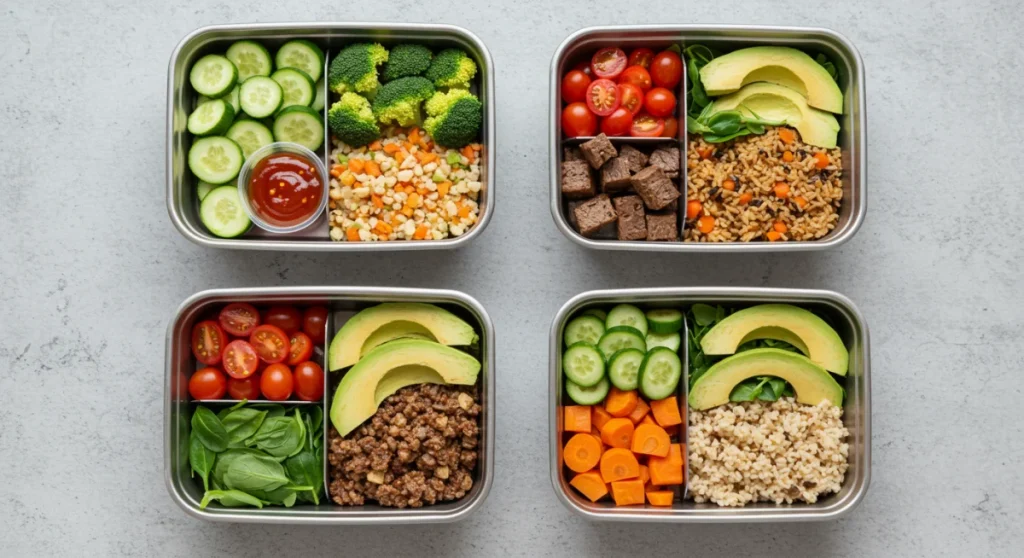
Reducing meal prep time by 30% for busy professionals in the U.S. is achievable through strategic planning and innovative healthy lunch recipes, ensuring balanced nutrition without sacrificing precious time.
In today’s fast-paced world, especially for busy professionals in the U.S., finding time for healthy eating can feel like an impossible task. The allure of quick, often unhealthy, takeout options is strong when schedules are packed. However, mastering the art of meal prep for busy professionals isn’t just about saving time; it’s about investing in your health, energy, and overall well-being. This guide will provide you with an insider’s approach to drastically cut down your meal preparation time by 30% and introduce four innovative, healthy lunch recipes specifically designed to fuel your demanding work week.
The Strategic Foundation of Efficient Meal Prep
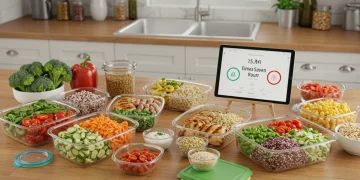
Before diving into recipes, understanding the core principles of efficient meal prep is crucial. It’s not simply about cooking in bulk; it’s about optimizing every step, from planning to storage, to ensure maximum time savings and nutritional value throughout your week. A well-executed meal prep strategy can transform your eating habits and free up valuable time.
This foundational approach focuses on smart choices and streamlined processes, allowing you to enjoy wholesome, homemade meals even on your busiest days. It’s about working smarter, not harder, in the kitchen.
Planning and Smart Shopping
Effective meal prep begins long before you even step into the kitchen. The planning phase is paramount, as it dictates the efficiency of your entire process and prevents last-minute scrambling. A detailed plan ensures you only buy what you need and know exactly what you’ll be cooking.
- Weekly Menu Creation: Dedicate 15-20 minutes each week to outline your meals. Consider your dietary needs, preferences, and what ingredients can be repurposed across different dishes to minimize waste.
- Ingredient Inventory: Check your pantry and refrigerator before shopping. This prevents duplicate purchases and helps you use up existing items, saving money and reducing food waste.
- Strategic Grocery List: Organize your shopping list by grocery store sections (produce, dairy, pantry, etc.). This minimizes time spent wandering aisles and ensures you don’t forget essential items.
By investing a small amount of time in planning, you set yourself up for a much smoother and more efficient meal prep session. This initial step is a cornerstone of reducing overall prep time significantly.
Batch Cooking and Component Preparation
The essence of cutting down meal prep time lies in batch cooking and preparing individual components in advance. Instead of cooking each meal from scratch daily, you prepare larger quantities of versatile ingredients that can be assembled into different meals.
- Protein Power: Cook a large batch of lean protein like grilled chicken, baked salmon, or hard-boiled eggs. These can be used in salads, wraps, or as a main component for several lunches.
- Grain Gains: Prepare a big pot of quinoa, brown rice, or farro. These complex carbohydrates serve as an excellent base for power bowls and side dishes, offering sustained energy.
- Vegetable Versatility: Wash, chop, and roast a variety of vegetables such as broccoli, bell peppers, sweet potatoes, or asparagus. They can be added to almost any meal for flavor, fiber, and nutrients.
This method ensures that when it’s time to assemble your lunch, most of the heavy lifting is already done. It transforms daily cooking into a quick assembly line, drastically reducing daily kitchen time.
The strategic foundation of efficient meal prep empowers busy professionals to maintain a healthy diet without feeling overwhelmed by daily cooking demands. By planning meticulously and preparing components in advance, you can unlock significant time savings and enjoy nutritious meals all week long.
Mastering the Art of Time-Saving Kitchen Techniques
Beyond planning and batch cooking, specific kitchen techniques can further accelerate your meal prep process, bringing you closer to that 30% time reduction goal. These methods are designed to maximize efficiency and minimize cleanup, making meal prep less of a chore and more of a streamlined routine.
Adopting these techniques will not only speed up your cooking but also enhance the overall enjoyment of your meal prep sessions. It’s about optimizing your movements and using your kitchen tools wisely.
Utilizing Kitchen Gadgets Wisely
Modern kitchen appliances are designed to save time and effort. Integrating them into your meal prep routine can be a game-changer, allowing you to multitask and automate certain cooking processes.
- Instant Pot/Pressure Cooker: Perfect for quickly cooking grains, legumes, and even large cuts of meat in a fraction of the time.
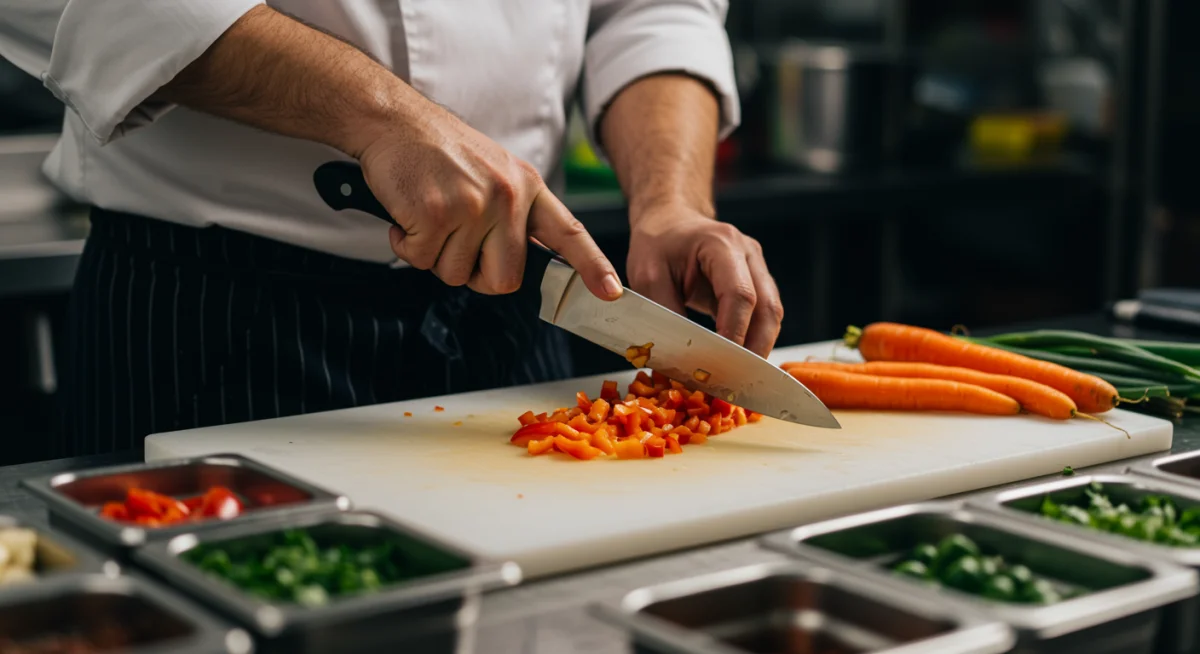
- Food Processor: Ideal for chopping, slicing, and shredding large quantities of vegetables in minutes, significantly reducing manual prep time.
- Sheet Pans: Excellent for roasting multiple vegetables and proteins simultaneously with minimal cleanup. Just toss ingredients with oil and seasonings, spread on a single sheet, and bake.
By leveraging these tools, you can reduce active cooking time and handle more ingredients efficiently, making your meal prep session smoother and faster. They are invaluable allies in the quest for time-saving meal preparation.
Smart Storage and Portioning
Proper storage is just as important as preparation. It ensures your meals stay fresh, prevents spoilage, and makes grabbing a healthy lunch on the go incredibly easy. Investing in good quality containers is a wise choice.
- Airtight Containers: Use glass or BPA-free plastic containers with airtight seals to keep food fresh longer and prevent leaks.
- Portion Control: Pre-portion your meals into individual containers immediately after cooking. This eliminates guesswork during busy mornings and helps with portion control.
- Labeling: Label containers with the meal name and date of preparation. This helps track freshness and ensures you eat meals in the correct order.
Efficient storage not only extends the shelf life of your prepped meals but also simplifies your daily routine, making healthy eating effortless. It’s the final step in a truly optimized meal prep strategy.
By integrating time-saving kitchen techniques and smart storage solutions, busy professionals can significantly reduce the effort and time required for meal preparation. These strategies collectively contribute to a more efficient and sustainable approach to healthy eating.
Recipe 1: Mediterranean Quinoa Power Bowl
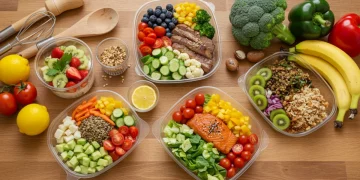
This vibrant and nutrient-dense Mediterranean Quinoa Power Bowl is a perfect example of a healthy, satisfying, and easy-to-prep lunch. It’s packed with protein, fiber, and healthy fats, keeping you full and focused throughout your afternoon. This recipe is designed for minimal effort with maximum flavor and nutritional impact, ideal for a meal prep for busy professionals.
The beauty of this bowl lies in its versatility and the ability to prepare most components in advance, making assembly a breeze on busy mornings.
Ingredients and Preparation (Batch Cook)
The key to this recipe’s efficiency is preparing each component in bulk. You’ll cook the quinoa, roast the chickpeas and vegetables, and prepare the dressing all at once.
- Quinoa: Cook 2 cups of quinoa according to package directions, yielding about 6 cups. Let it cool completely.
- Roasted Chickpeas: Drain and rinse 2 cans of chickpeas. Toss with 2 tbsp olive oil, 1 tsp smoked paprika, 1/2 tsp cumin, salt, and pepper. Roast at 400°F (200°C) for 20-25 minutes until crispy.
- Roasted Vegetables: Chop 1 large zucchini, 1 red bell pepper, and 1 red onion into bite-sized pieces. Toss with 2 tbsp olive oil, oregano, salt, and pepper. Roast on a separate sheet pan at 400°F (200°C) for 20 minutes, flipping halfway.
- Lemon-Tahini Dressing: Whisk together 1/4 cup tahini, 2 tbsp lemon juice, 1 tbsp olive oil, 1 clove minced garlic, and 2-4 tbsp water until smooth. Season with salt and pepper.
Having these components ready allows for quick assembly and ensures a fresh-tasting meal every day. This batch cooking strategy is central to reducing daily cooking time.
Assembly and Storage
Once all components are cooled, it’s time to assemble your lunch bowls for the week. This is where the magic of meal prep truly shines, as you create grab-and-go meals.
- Base Layer: Divide the cooked quinoa among 4-5 airtight containers.
- Protein and Veggies: Add a generous portion of roasted chickpeas and roasted vegetables to each container.
- Fresh Additions: Include fresh elements like chopped cucumber, cherry tomatoes, and Kalamata olives.
- Dressing on the Side: Store the lemon-tahini dressing in small separate containers or drizzle just before eating to prevent sogginess.
These Mediterranean Quinoa Power Bowls will stay fresh in the refrigerator for up to 4-5 days. They offer a balanced and flavorful lunch option that requires no further cooking, making them perfect for busy workdays. Enjoy the convenience of a healthy meal ready when you are.
Recipe 2: Spicy Peanut Noodles with Edamame and Chicken
For those craving something with a kick and an Asian-inspired twist, these Spicy Peanut Noodles are an excellent choice. They are incredibly flavorful, satisfying, and hold up well for several days in the refrigerator. This recipe is another fantastic option for meal prep for busy professionals looking for diversity in their healthy lunch rotation.
The combination of tender noodles, crisp vegetables, and a rich peanut sauce makes this dish a standout, providing both comfort and nutrition.
Components to Prepare in Advance
To streamline the process, focus on preparing the noodles, chicken, and sauce ahead of time. This allows for quick mixing and assembly when lunch rolls around.
- Noodles: Cook 1 lb of whole wheat or soba noodles according to package directions. Rinse with cold water immediately after cooking to prevent sticking and let drain thoroughly.
- Chicken: Cook 1.5 lbs of boneless, skinless chicken breast. You can grill, bake, or pan-fry it, then shred or dice it. Season with salt, pepper, and a touch of garlic powder.
- Peanut Sauce: In a blender or food processor, combine 1/2 cup natural peanut butter, 1/4 cup soy sauce (or tamari), 2 tbsp rice vinegar, 1 tbsp honey or maple syrup, 1 tbsp grated ginger, 1 clove garlic, 1-2 tsp sriracha (adjust to taste), and 2-4 tbsp warm water until smooth.
Having these core components prepped makes the daily assembly of your spicy peanut noodles incredibly fast, ensuring a delicious and healthy meal is always within reach.
Assembling Your Lunch Containers
Once the components are ready and cooled, it’s time to create your individual lunch portions. This method ensures each serving is perfectly balanced and ready to grab.
- Noodle Base: Divide the cooked noodles among 4-5 meal prep containers.
- Add Protein and Veggies: Top the noodles with a portion of shredded chicken and 1 cup of shelled edamame per container. You can also add thinly sliced bell peppers or shredded carrots for extra crunch and nutrients.
- Sauce Separation: Store the spicy peanut sauce in small, separate containers. Drizzle over the noodles just before eating to maintain texture and flavor.
These Spicy Peanut Noodles can be enjoyed cold or gently reheated. They offer a satisfying and flavorful lunch that breaks the monotony of typical work meals, providing a burst of energy and taste.
Recipe 3: Hearty Lentil and Vegetable Soup
A comforting and nutritious soup is often overlooked for meal prep, but this Hearty Lentil and Vegetable Soup is a game-changer. It’s incredibly easy to make in a large batch, packed with fiber and plant-based protein, and tastes even better the next day. It’s a perfect warm lunch option for meal prep for busy professionals, especially during cooler months.
This soup offers a wholesome and filling meal that requires minimal effort once prepared, providing a nourishing option that supports sustained energy throughout the workday.
Bulk Preparation for the Week
The beauty of soup is its ability to be cooked in one large pot, simplifying the entire meal prep process. This recipe yields multiple servings, perfect for a week’s worth of lunches.
- Sauté Aromatics: In a large pot, sauté 2 chopped carrots, 2 celery stalks, and 1 large onion in 2 tbsp olive oil until softened, about 8-10 minutes. Add 3 cloves minced garlic and cook for another minute.
- Add Lentils and Broth: Stir in 1.5 cups brown or green lentils (rinsed), 1 can (14.5 oz) diced tomatoes (undrained), 6 cups vegetable broth, 1 tsp dried thyme, 1/2 tsp dried rosemary, salt, and pepper.
- Simmer: Bring to a boil, then reduce heat, cover, and simmer for 30-40 minutes, or until lentils are tender.
- Greens and Finish: Stir in 2 cups chopped fresh spinach or kale during the last 5 minutes of cooking until wilted.
Preparing this soup in advance allows you to have a hearty and healthy lunch ready to heat and eat, making your busy week significantly easier. It’s a convenient and nutritious choice.
Portioning and Enjoyment
Once the soup has cooled, portioning it into individual containers is straightforward. This ensures you have perfectly sized servings ready for each day.
- Individual Servings: Divide the cooled soup among 4-5 microwave-safe, airtight containers.
- Optional Toppings: Consider adding a sprinkle of fresh parsley, a dollop of Greek yogurt, or a squeeze of lemon juice just before serving to enhance flavor.
- Reheating: Reheat gently in the microwave or on the stovetop until warmed through.
This Hearty Lentil and Vegetable Soup offers a warm, comforting, and highly nutritious lunch that requires minimal effort during your workday. It’s a testament to how delicious and easy healthy meal prep can be.
Recipe 4: Chicken and Veggie Sheet Pan Meal
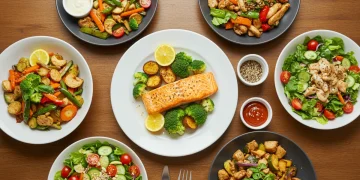
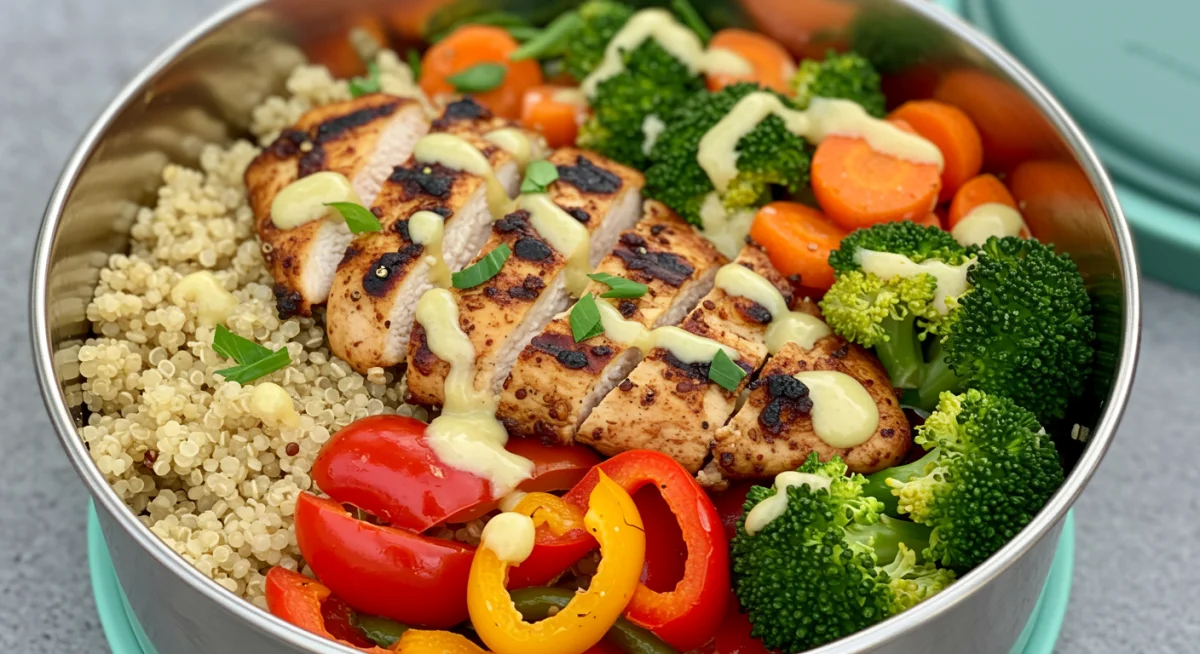
The Chicken and Veggie Sheet Pan Meal is the epitome of simplicity and efficiency, making it an ideal choice for meal prep for busy professionals. This method allows you to cook your protein and vegetables all on one pan, minimizing cleanup and maximizing flavor. It’s a balanced, wholesome meal that’s incredibly easy to prepare in bulk.
This approach transforms a potentially complex meal into a straightforward cooking task, delivering delicious results with minimal fuss, perfect for a busy schedule.
One-Pan Wonders: Batch Cooking Simplified
The beauty of a sheet pan meal is its consolidated cooking process. All ingredients cook together, infusing flavors and reducing the number of dishes to wash.
- Protein Prep: Cut 1.5 lbs boneless, skinless chicken breast or thighs into 1-inch cubes. Toss with 2 tbsp olive oil, 1 tsp garlic powder, 1 tsp onion powder, 1/2 tsp paprika, salt, and pepper.
- Vegetable Medley: Chop 1 head of broccoli, 2 bell peppers (any color), and 1 red onion into similar-sized pieces. Toss with 2 tbsp olive oil, 1 tsp Italian seasoning, salt, and pepper.
- Sheet Pan Roasting: Spread the chicken and vegetables in a single layer on two large sheet pans lined with parchment paper. Ensure not to overcrowd the pans, as this can steam rather than roast the ingredients.
- Bake: Roast at 400°F (200°C) for 20-25 minutes, flipping halfway, until chicken is cooked through and vegetables are tender-crisp.
This one-pan method significantly cuts down on cooking time and cleanup, making it an incredibly efficient way to prepare multiple meals at once. It’s a powerful tool for busy professionals.
Convenient Storage and Serving
Once cooked and cooled, portioning your sheet pan meal is quick and easy, setting you up for effortless lunches throughout the week. This ensures consistent healthy eating.
- Individual Portions: Divide the cooked chicken and vegetables among 4-5 airtight containers.
- Flavor Boosters: Consider adding a squeeze of fresh lemon juice or a sprinkle of fresh herbs (like parsley or cilantro) before eating to brighten the flavors.
- Grain Pairing: If desired, you can add a side of pre-cooked brown rice or quinoa to each container for a more substantial meal.
The Chicken and Veggie Sheet Pan Meal is a testament to how simple and delicious healthy eating can be, even with a demanding schedule. It offers a complete, balanced meal that’s ready to enjoy with minimal fuss.
Optimizing Your Meal Prep Workflow for Maximum Efficiency
Beyond individual recipes, integrating a cohesive workflow into your meal prep routine is paramount for achieving that 30% time reduction. This involves thinking strategically about the order of operations, leveraging downtime, and maintaining a consistent schedule. An optimized workflow turns meal prep from a sporadic chore into a seamless, enjoyable habit.
By streamlining your process, you not only save time but also reduce stress, making healthy eating an effortless part of your busy lifestyle.
Batching Tasks and Multitasking
The most effective meal preppers don’t just batch cook; they batch tasks. This means grouping similar activities together to minimize transitions and maximize output.
- Pre-Chopping: Dedicate the first 20-30 minutes of your prep session solely to chopping all vegetables for all recipes.
- Simultaneous Cooking: While one item (e.g., quinoa) is simmering on the stove, use that time to roast vegetables in the oven or prepare a sauce.
- Cleanup as You Go: Wash utensils and bowls as you finish with them. This prevents a mountain of dishes at the end and makes the entire process feel less daunting.
By consciously grouping and performing tasks concurrently, you significantly reduce the overall time spent in the kitchen. This strategic multitasking is a cornerstone of efficient meal preparation.
Scheduled Prep Time and Consistency
Consistency is key to making meal prep a sustainable habit. Designating a specific time each week for preparation helps establish a routine and ensures you stick to your healthy eating goals.
- Designate a Day: Choose a day and time (e.g., Sunday afternoon) that consistently works for your schedule. Treat it like any other important appointment.
- Set a Timer: Give yourself a realistic timeframe for meal prep (e.g., 1.5-2 hours) and stick to it. This encourages efficiency and prevents overthinking.
- Flexibility: While consistency is important, allow for some flexibility. If one week is exceptionally busy, opt for simpler recipes or focus on just a few key components.
Establishing a regular meal prep schedule reinforces the habit and makes it an integral part of your healthy lifestyle. This dedication to routine is what ultimately leads to long-term success in reducing prep time and maintaining nutritious eating habits.
Optimizing your meal prep workflow through task batching, multitasking, and consistent scheduling creates a highly efficient system. This systematic approach ensures that healthy, delicious meals are always within reach, supporting the demanding lives of busy professionals without adding stress.
Maintaining Freshness and Maximizing Flavor
The success of meal prep for busy professionals hinges not only on efficiency but also on the quality and palatability of the food throughout the week. Ensuring your prepped meals remain fresh and delicious is crucial for adherence to a healthy eating plan. Strategic approaches to storage, ingredient selection, and reheating can make all the difference.
By focusing on these aspects, you can enjoy vibrant, flavorful meals that feel freshly prepared, even on the fifth day after cooking.
Smart Storage Solutions and Containers
The right storage solutions are fundamental to preserving the freshness and integrity of your prepped meals. Investing in quality containers is a small upfront cost that yields significant benefits.
- Glass Containers: Opt for glass containers over plastic when possible. They are non-porous, don’t absorb odors or stains, and are safe for reheating in the microwave or oven.
- Airtight Seals: Ensure all containers have airtight lids to prevent oxidation and keep food fresh longer. Vacuum sealers can be a great investment for extended freshness.
- Separate Components: Whenever possible, store wet and dry ingredients separately (e.g., dressing on the side for salads, sauces for noodles). This prevents sogginess and maintains texture.
Proper storage is the unsung hero of meal prep, ensuring that your efforts translate into enjoyable and safe meals throughout the week. It’s a critical step in preserving both freshness and flavor.
Reheating Techniques and Flavor Enhancement
How you reheat your meals can significantly impact their taste and texture. Understanding the best methods for different dishes can elevate your meal prep experience.
- Microwave with Caution: For most dishes, microwave reheating is convenient. Use a medium power setting and stir halfway through to ensure even heating. Add a splash of water or broth to prevent drying out.
- Oven/Toaster Oven: For roasted vegetables and proteins, reheating in an oven or toaster oven can restore some crispness that a microwave might diminish. Cover with foil to prevent excessive drying.
- Fresh Additions: Always consider adding fresh elements just before serving. A squeeze of lemon, a sprinkle of fresh herbs (like parsley or cilantro), a dash of hot sauce, or a handful of fresh greens can revive flavors and add texture.
By employing smart reheating techniques and adding fresh touches, you can ensure that your meal-prepped lunches taste as good as freshly cooked, encouraging consistent healthy eating habits. This attention to detail transforms practical meal prep into a truly satisfying experience.
| Key Strategy | Brief Description |
|---|---|
| Strategic Planning | Plan meals and grocery lists weekly to minimize waste and optimize shopping time. |
| Batch Cooking & Components | Cook large quantities of versatile proteins, grains, and vegetables to assemble later. |
| Efficient Kitchen Use | Utilize gadgets like Instant Pots and sheet pans, and integrate cleanup as you go. |
| Smart Storage & Reheating | Use airtight containers, portion control, and proper reheating to maintain freshness and flavor. |
Frequently Asked Questions About Meal Prep
Most meal-prepped lunches, when stored in airtight containers, can last safely in the refrigerator for 3 to 5 days. This duration depends on the ingredients, with some components like cooked grains or roasted vegetables holding up better than delicate greens or seafood.
Glass containers with airtight, leak-proof lids are highly recommended. They are durable, microwave and oven safe, and don’t retain odors or stains. BPA-free plastic containers are also a good, more lightweight option, especially for portability.
Absolutely! Many meal-prepped items, like soups, stews, cooked grains, and some proteins, freeze exceptionally well. Ensure they are completely cooled before freezing in freezer-safe containers. Thaw overnight in the refrigerator before reheating for best results.
To prevent soggy salads, store dressing separately and add it just before eating. Layer your ingredients smartly: put wet ingredients (like tomatoes) at the bottom, followed by proteins and grains, and then greens on top. This protects the delicate leaves.
Start small! Choose one or two meals to prep for the week, like lunches. Focus on simple recipes with versatile ingredients. As you get comfortable, gradually expand to more meals. Consistency is more important than perfection in the beginning.
Conclusion
Mastering meal prep is a transformative skill for busy professionals in the U.S., offering a powerful solution to maintain healthy eating habits amidst demanding schedules. By embracing strategic planning, efficient cooking techniques, and innovative recipes like the Mediterranean Quinoa Power Bowl, Spicy Peanut Noodles, Hearty Lentil Soup, and Sheet Pan Chicken and Veggies, you can realistically reduce your meal preparation time by 30% or more. This commitment to organized, healthy eating not only saves precious time but also significantly contributes to your overall well-being, energy levels, and focus, proving that nutritious meals are entirely achievable even for the busiest among us. Embrace these strategies and recipes to unlock a healthier, more efficient lifestyle.