2026 Home Wellness Trends: A Deep Dive into 5 Fastest-Growing
The home wellness landscape in 2026 is rapidly evolving, driven by a desire for holistic well-being, with this article exploring the five fastest-growing trends transforming American homes into sanctuaries of health and balance.
The concept of home is rapidly evolving from a mere dwelling to a personalized sanctuary for well-being. As we look towards 2026, a significant shift is underway, with a heightened focus on integrating health and wellness into our living spaces. This deep dive into the 5 fastest-growing home wellness trends across the nation reveals how Americans are transforming their environments to foster physical, mental, and emotional health, moving beyond superficial aesthetics to create truly restorative havens.
The Rise of Biohacking Your Home Environment
Biohacking, traditionally associated with personal health optimization, is now extending its reach into the home. This trend involves meticulously optimizing your living space to enhance biological functions, improve sleep, boost energy, and reduce exposure to environmental stressors. It’s about creating a home that actively supports your body’s natural rhythms and overall vitality.
The core philosophy behind home biohacking is to leverage technology and conscious design to mitigate negative influences while amplifying positive ones. This can range from advanced air and water filtration systems to sophisticated lighting designed to regulate circadian rhythms. The goal is to move beyond simply avoiding harm and instead proactively cultivate an environment that promotes peak performance and sustained well-being.
Optimizing Indoor Air Quality
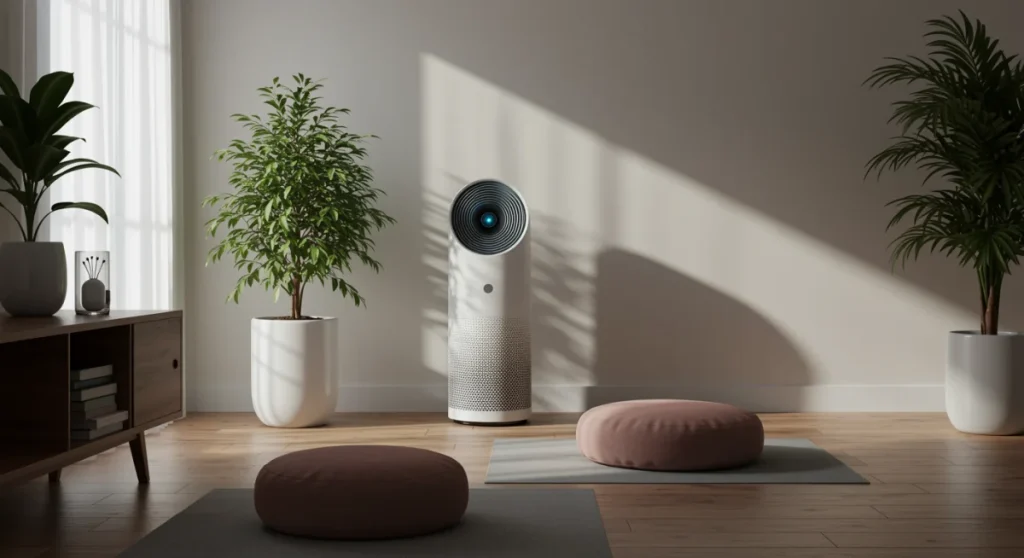
One of the most critical aspects of home biohacking is ensuring pristine indoor air quality. With concerns about allergens, pollutants, and airborne pathogens, advanced air purification systems are becoming standard in wellness-focused homes.
- HEPA Filtration Systems: These systems effectively capture microscopic particles, including dust, pollen, pet dander, and mold spores, significantly reducing indoor allergens.
- Activated Carbon Filters: Essential for removing volatile organic compounds (VOCs) and odors from cleaning products, paints, and furniture, contributing to clearer air.
- Smart Air Quality Monitors: Devices that track pollutants in real-time, allowing for immediate adjustments and maintaining optimal air conditions.
Beyond filtration, biohackers are also integrating natural elements like specific indoor plants known for their air-purifying capabilities, such as snake plants and peace lilies, to complement technological solutions. This holistic approach ensures a breathable and healthy atmosphere within the home.
Enhancing Water Purity and Quality
Access to clean, pure water is fundamental to health, and home wellness trends in 2026 place a strong emphasis on advanced water purification. Many are moving beyond basic tap filters to comprehensive solutions that address a wider spectrum of contaminants.
- Whole-House Filtration: Systems that treat all water entering the home, providing clean water for drinking, bathing, and cooking.
- Reverse Osmosis Systems: Highly effective at removing dissolved solids, heavy metals, and chemicals from drinking water, offering superior purity.
- Structured Water Devices: While more unconventional, some biohackers explore devices claiming to re-structure water to mimic natural spring water, believing it enhances hydration and cellular function.
The focus here is not just on removing impurities but on optimizing water for consumption and daily use, recognizing its vital role in cellular health and detoxification. This trend highlights a proactive stance on health, starting from the very basics of what we consume.
The integration of biohacking principles into home design signifies a deeper understanding of our environment’s impact on our health. It’s a proactive approach to creating spaces that don’t just exist but actively contribute to our vitality and longevity, moving beyond traditional comfort to scientific optimization.
Mindful Living Spaces and Sensory Design
As the pace of modern life accelerates, the need for spaces that promote calm, focus, and emotional well-being has become paramount. Mindful living spaces and sensory design are emerging as a leading trend, focusing on creating environments that engage our senses in positive ways, reducing stress, and fostering inner peace. This goes beyond mere aesthetics, delving into how colors, textures, sounds, and scents can influence our mood and mental state.
The philosophy here is to intentionally craft every element of a room to contribute to a sense of tranquility and presence. It’s about designing spaces that encourage us to slow down, be present, and connect with ourselves. This involves a thoughtful selection of materials, careful consideration of lighting, and the integration of elements that evoke nature and stillness.
The Power of Biophilic Design
Biophilic design, which incorporates natural elements into indoor spaces, is a cornerstone of mindful living. Recognizing our innate connection to nature, this approach seeks to reduce stress and improve cognitive function by bringing the outdoors in.
- Indoor Gardens and Vertical Farms: Beyond decorative plants, dedicated spaces for growing herbs, vegetables, or even small trees, enhancing air quality and providing a sense of connection to growth.
- Natural Materials: Utilizing wood, stone, and natural fibers not only for their aesthetic appeal but also for their grounding and calming properties.
- Natural Light Optimization: Maximizing daylight exposure and using smart window treatments to mimic natural light cycles, supporting circadian rhythms.
Integrating biophilic elements creates a more harmonious and restorative atmosphere, helping occupants feel more connected to the natural world, even within an urban setting. This connection is believed to reduce mental fatigue and enhance overall well-being.
Acoustic Comfort and Soundscapes
The auditory environment of our homes plays a significant role in our well-being. Mindful living spaces are increasingly designed with acoustic comfort in mind, minimizing disruptive noises while incorporating calming soundscapes.
- Soundproofing Solutions: Implementing strategies to reduce external noise pollution, such as thicker windows, insulated walls, and sound-absorbing materials.
- White Noise and Nature Sound Generators: Devices that create a consistent background hum or play soothing nature sounds to mask distractions and promote relaxation or focus.
- Dedicated Quiet Zones: Creating specific areas within the home designed for silent contemplation, reading, or meditation, free from electronic distractions.
By controlling the sound environment, these spaces become sanctuaries from the often overwhelming auditory input of daily life, allowing for deeper relaxation and mental clarity. It’s about curating an auditory experience that supports, rather than detracts from, well-being.
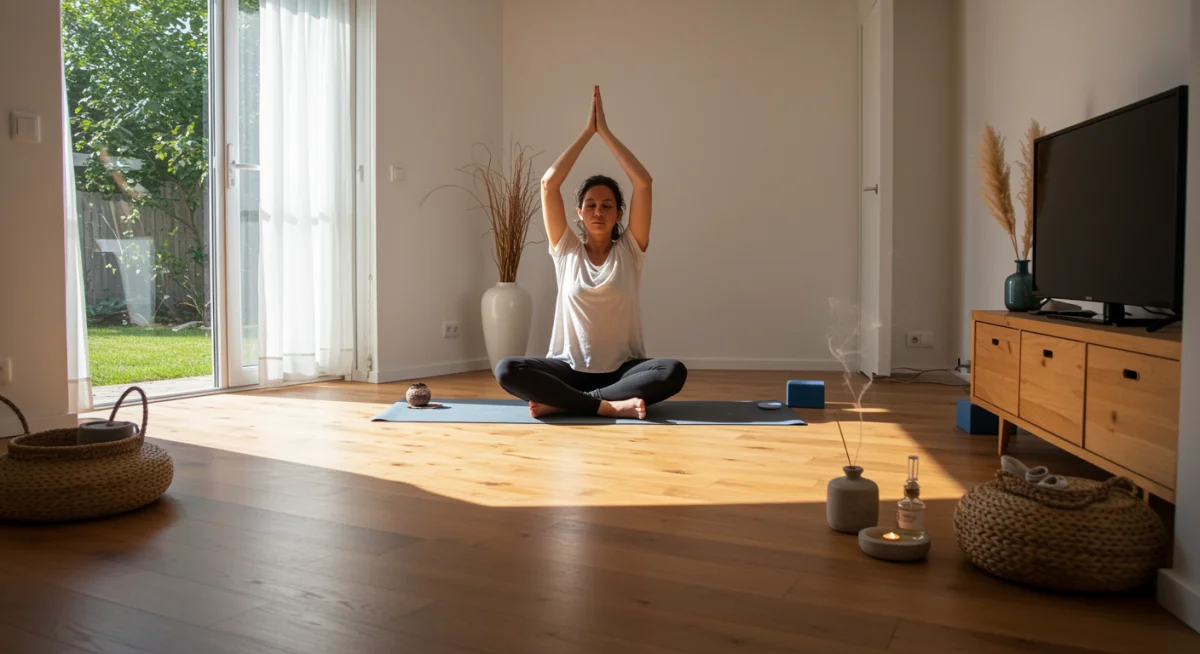
Ultimately, mindful living spaces are about intentional design that supports a holistic approach to life. They are places where every choice, from the color of the walls to the texture of the fabrics, is made with the occupant’s emotional and mental well-being at its core, fostering a sense of peace and belonging.
The Integration of Smart Wellness Technology
The intersection of technology and wellness is creating a new paradigm for healthy living in the home. Smart wellness technology moves beyond mere convenience, offering tools that actively monitor, analyze, and optimize various aspects of our health and environment. This trend is about leveraging data and automation to make informed decisions that promote a healthier lifestyle, often without conscious effort from the homeowner.
From wearable devices that track sleep patterns to smart thermostats that adjust temperature for optimal rest, technology is becoming an invisible partner in our pursuit of well-being. The goal is to create a responsive home environment that adapts to our needs, anticipating and addressing wellness challenges before they become significant issues. This proactive approach is a hallmark of the 2026 home wellness landscape.
Personalized Sleep Optimization
Sleep is a cornerstone of health, and smart technology is revolutionizing how we optimize it. Gone are the days of simple alarm clocks; now, entire sleep ecosystems are being developed to ensure restorative rest.
- Smart Mattresses and Beds: These can monitor sleep positions, heart rate, and breathing, adjusting firmness or temperature in real-time to prevent disturbances.
- Circadian Lighting Systems: Lights that mimic natural sunlight cycles, gradually dimming in the evening to promote melatonin production and brightening in the morning for a gentle wake-up.
- Sleep Trackers and Apps: Devices that provide detailed insights into sleep stages, duration, and quality, offering personalized recommendations for improvement.
By understanding and actively managing our sleep environment, smart wellness technology empowers us to achieve deeper, more consistent rest, which is crucial for physical recovery and mental clarity.
Automated Stress Reduction Systems
Stress is a pervasive issue, and smart homes are increasingly offering automated solutions to mitigate its impact. These systems are designed to create calming atmospheres on demand or even proactively.
- Aromatherapy Diffusers: Smart diffusers that can be programmed to release calming essential oils at specific times or triggered by voice commands, creating a serene ambiance.
- Integrated Sound Systems: Capable of playing soothing music, nature sounds, or guided meditations throughout the home, transforming the auditory environment.
- Smart Blinds and Shades: Automatically adjust to control light exposure, creating optimal conditions for relaxation or focus, reducing visual stimulation when needed.
These automated systems work together to create a seamless stress-reduction experience, allowing homeowners to effortlessly transition into a more relaxed state. The convenience and personalization offered by smart wellness technology are making it an indispensable part of modern healthy homes.
The pervasive nature of smart technology means that wellness is no longer an isolated pursuit but an integrated aspect of daily living. These innovations are transforming homes into intelligent partners in our health journey, continually adapting to support our evolving needs and aspirations for well-being.
Sustainable and Eco-Conscious Living
The growing awareness of environmental impact is profoundly influencing home wellness trends, leading to a surge in sustainable and eco-conscious living practices. This trend recognizes that personal well-being is inextricably linked to the health of the planet. It’s about creating homes that are not only good for their occupants but also gentle on the Earth, minimizing resource consumption and reducing ecological footprints.
Sustainable living in the home encompasses everything from building materials and energy consumption to waste management and the choices we make about everyday products. It’s a holistic approach that seeks to balance human needs with environmental preservation, fostering a sense of responsibility and connection to the larger ecosystem.
Energy Efficiency and Renewable Resources
Reducing energy consumption and transitioning to renewable sources are key pillars of eco-conscious homes. Innovations in home design and technology are making this more accessible and effective.
- Solar Panels and Energy Storage: Increasing adoption of rooftop solar systems combined with battery storage to reduce reliance on grid electricity and provide energy independence.
- Smart Thermostats and Zoned HVAC: Systems that optimize heating and cooling based on occupancy and preferences, significantly cutting energy waste.
- High-Efficiency Appliances: Investing in appliances with Energy Star ratings that consume less power and water, contributing to lower utility bills and reduced environmental impact.
These measures not only benefit the planet but also often lead to significant long-term savings for homeowners, making sustainable choices economically attractive. The focus is on creating homes that are resource-efficient and future-proof.
Non-Toxic Materials and Ethical Sourcing
The materials we bring into our homes have a direct impact on our health and the environment. The trend towards non-toxic and ethically sourced products reflects a desire for healthier indoor environments and responsible consumption.
- Low-VOC Paints and Finishes: Choosing paints, sealants, and glues that emit minimal volatile organic compounds, improving indoor air quality and reducing chemical exposure.
- Natural and Recycled Building Materials: Opting for materials like bamboo, recycled glass, reclaimed wood, and natural insulation that have a lower environmental impact.
- Ethically Sourced Furniture and Decor: Prioritizing products made from sustainable forests, recycled content, or by companies committed to fair labor practices.
This careful selection of materials helps to create a healthier indoor atmosphere, free from harmful chemicals, while also supporting ethical manufacturing and reducing demand for environmentally damaging products. Sustainable and eco-conscious living is not just a trend; it’s a fundamental shift towards a more responsible and holistic way of inhabiting our planet, starting with our homes.
Personalized Fitness and Movement Zones
With the continued emphasis on active lifestyles, homes are increasingly being designed to incorporate personalized fitness and movement zones. This trend goes beyond a simple home gym, focusing on creating dedicated, inspiring spaces that encourage consistent physical activity, catering to individual preferences and evolving fitness goals. It’s about making movement an integral, accessible, and enjoyable part of daily home life.
The rise of virtual fitness classes, smart exercise equipment, and personalized training programs has fueled this transformation. Homeowners are seeking to replicate the benefits of professional fitness studios within the comfort and privacy of their own residences, adapting spaces to support everything from high-intensity workouts to mindful practices like yoga and stretching.
Multi-Functional Fitness Areas
Modern home fitness zones are designed for versatility, allowing for a range of activities within a single, adaptable space. This maximizes functionality in homes where space might be a premium.
- Convertible Spaces: Rooms that can easily transform from a living area to a workout zone with foldable equipment, retractable screens for virtual classes, and integrated storage for weights and mats.
- Dedicated Yoga/Meditation Nooks: Small, tranquil corners equipped with appropriate flooring, dimmable lighting, and perhaps a sound system for guided sessions, promoting both physical and mental flexibility.
- Outdoor Workout Extensions: Utilizing patios, decks, or backyards for outdoor exercise, incorporating elements like pull-up bars, resistance band anchor points, or even small swimming current pools.
These multi-functional areas ensure that fitness is not confined to a single room but can be integrated seamlessly into the daily flow of life, making it easier to stay active and engaged.
Smart Equipment and Virtual Coaching
Technology is central to the personalization of home fitness, offering intelligent equipment and access to world-class coaching from anywhere. This connectivity enhances motivation and provides tailored routines.
- Interactive Exercise Machines: Treadmills, bikes, and rowing machines with integrated screens that offer live and on-demand classes, virtual scenic routes, and performance tracking.
- Smart Mirrors and AI Trainers: Devices that provide real-time feedback on form, suggest personalized workouts, and track progress over time, bringing a personal trainer into the home.
- Wearable Integration: Seamless connectivity between fitness equipment and personal wearables, allowing for comprehensive health data tracking and goal setting across all activities.
The ability to access personalized training and a vast library of workouts at home removes common barriers to exercise, such as travel time or class schedules. This empowers individuals to take greater ownership of their physical health, making fitness a consistent and enjoyable habit within their home environment. Personalized fitness and movement zones are redefining what it means to stay active, transforming homes into dynamic centers of physical well-being.
Nutritional Hubs and Culinary Wellness
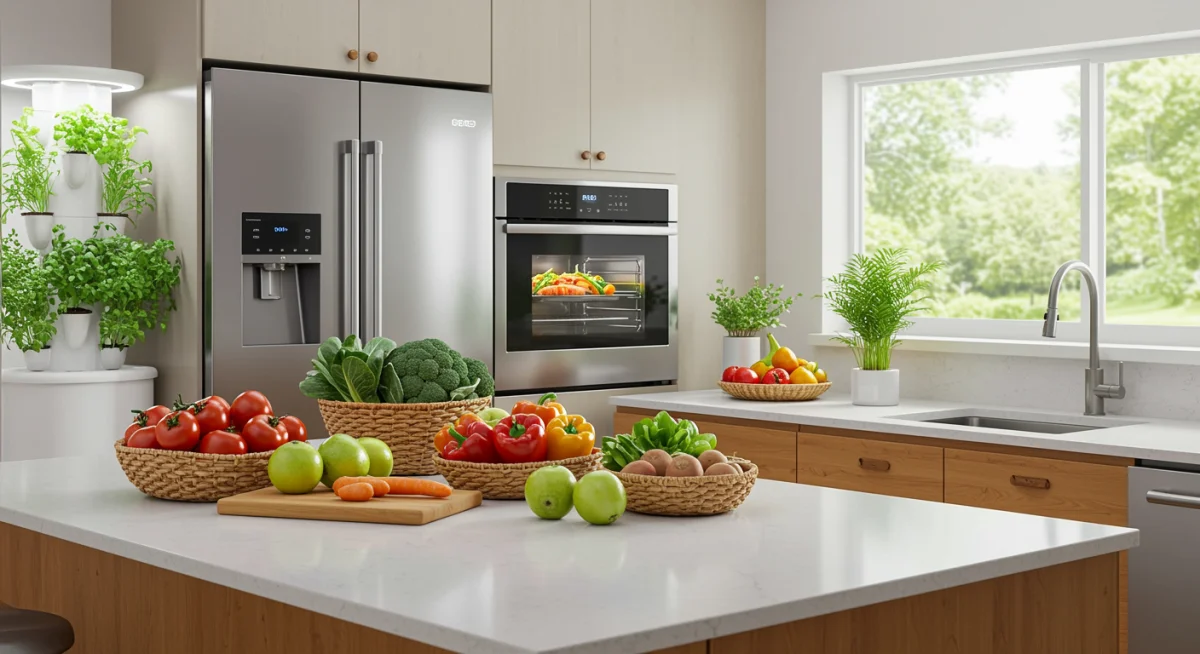
The kitchen is increasingly becoming the epicenter of home wellness, evolving into a sophisticated nutritional hub focused on healthy eating, mindful food preparation, and sustainable sourcing. This trend reflects a deeper understanding of food as medicine and a desire to take greater control over what we consume. It’s about designing kitchens that facilitate healthy choices, promote culinary creativity, and support overall well-being.
Beyond traditional cooking, these nutritional hubs incorporate elements that support everything from growing fresh produce to advanced food preservation and smart meal planning. The goal is to create an environment where healthy eating is not just a chore but an enjoyable and integral part of the daily routine, enhancing both physical health and culinary satisfaction.
Integrated Indoor Gardens and Hydroponics
Bringing food production into the home is a significant aspect of culinary wellness, ensuring access to fresh, nutrient-dense ingredients year-round.
- Smart Herb Gardens: Compact, automated systems that allow for growing fresh herbs and small vegetables indoors with minimal effort, providing immediate access to flavorful ingredients.
- Hydroponic and Aeroponic Systems: More advanced setups for growing a wider variety of produce without soil, often integrated into kitchen design, offering a sustainable and efficient way to cultivate food.
- Composting Solutions: Integrated composting bins that make it easy to recycle food scraps, reducing waste and providing nutrient-rich soil for indoor or outdoor gardens.
These systems not only provide fresh, organic produce but also foster a connection to the food we eat, encouraging a more mindful approach to nutrition and reducing reliance on external food sources.
Smart Appliances for Health-Focused Cooking
Technology in the kitchen is evolving to support healthier cooking methods and efficient meal preparation, making it easier to maintain a nutritious diet.
- Smart Ovens and Air Fryers: Appliances with precise temperature controls and pre-programmed healthy cooking modes, reducing the need for excessive oils and fats.
- Blenders and Juicers: High-performance devices designed for creating nutrient-rich smoothies, juices, and plant-based meals, supporting diverse dietary needs.
- Food Preservation Systems: Vacuum sealers, dehydrators, and smart refrigerators with advanced preservation features that extend the shelf life of fresh ingredients, reducing food waste.
These smart appliances simplify healthy cooking, making it less time-consuming and more enjoyable. They empower individuals to experiment with new recipes and maintain a consistent healthy diet, transforming the kitchen into a true center for culinary wellness. Nutritional hubs and culinary wellness are redefining our relationship with food, turning meal preparation into an act of self-care and a cornerstone of home well-being.
| Key Trend | Brief Description |
|---|---|
| Biohacking Home Environment | Optimizing living spaces with advanced systems for air/water purity, lighting, and circadian rhythm support. |
| Mindful Living Spaces | Designing homes with biophilic elements, acoustic comfort, and sensory considerations for calm and focus. |
| Smart Wellness Technology | Integrating tech like smart mattresses, circadian lighting, and automated stress reduction for personalized well-being. |
| Nutritional Hubs | Transforming kitchens with indoor gardens, smart appliances, and preservation systems for optimal healthy eating. |
Frequently Asked Questions About Home Wellness Trends
The increasing awareness of environmental impacts, the desire for personalized health solutions, and the integration of smart technology are key drivers. People seek to create sanctuaries that actively support their physical and mental health, especially after recent global events highlighting the importance of home.
Home biohacking involves optimizing the living environment to enhance biological functions. This includes advanced air and water purification, circadian-friendly lighting, and minimizing EMF exposure to improve sleep, energy, and overall health within the home.
Yes, mindful living spaces are intentionally designed to reduce stress. By incorporating biophilic elements, managing acoustics, utilizing calming color palettes, and optimizing natural light, these spaces create an environment that promotes relaxation, focus, and emotional well-being, helping to mitigate daily stressors.
Smart technology integrates seamlessly into home wellness by automating and monitoring various health aspects. It offers personalized sleep optimization, automated stress reduction, and intelligent fitness equipment, transforming homes into responsive environments that actively support health goals and enhance convenience.
Initial investments in sustainable home wellness can vary, but many solutions offer long-term financial and health benefits. Energy-efficient upgrades, non-toxic materials, and indoor gardening can reduce utility bills, improve indoor air quality, and contribute to overall well-being, making them worthwhile investments over time.
Conclusion
The evolving landscape of home wellness for 2026 clearly indicates a profound shift in how we perceive and utilize our living spaces. From embracing the scientific optimization of biohacking to cultivating serene, mindful environments, and from integrating cutting-edge smart technology to committing to sustainable and health-focused culinary practices, homes are becoming dynamic ecosystems designed to nurture every aspect of our well-being. These trends are not mere fads but reflect a fundamental desire for healthier, more balanced lives, transforming our residences into active partners in our pursuit of holistic health and personal growth.