Seasonal Eating in January 2026: Maximize Nutrients, Cut Costs
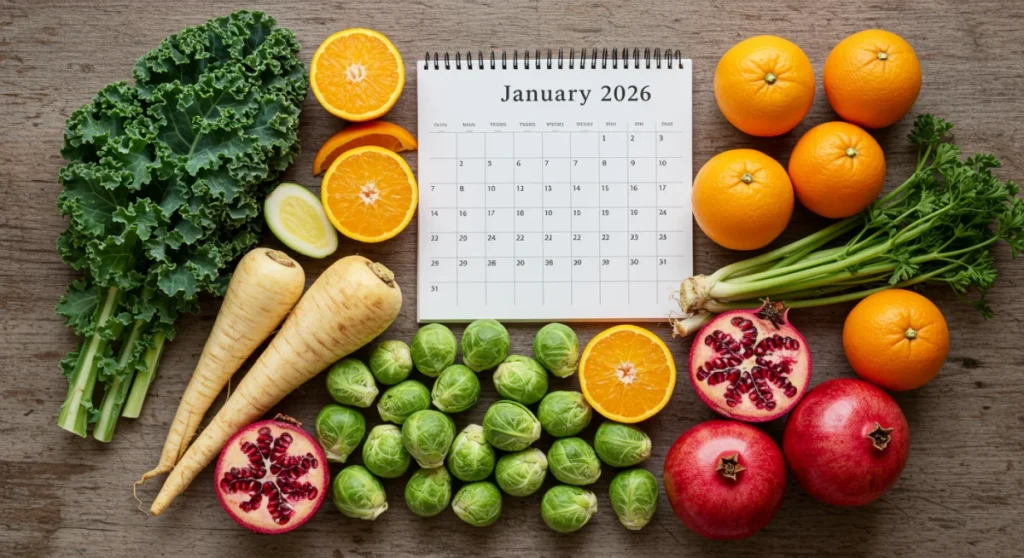
Embracing seasonal eating in January 2026 can significantly boost your nutrient intake and reduce grocery expenses by focusing on fresh, readily available produce.
As we step into January 2026, the concept of seasonal eating in January 2026 offers a powerful approach to optimizing both your health and your household budget. By aligning our food choices with what nature provides, especially fresh produce, we can unlock a wealth of nutritional benefits while simultaneously reducing food costs by an impressive 10% or more. This guide will explore how to navigate the winter produce aisle, make informed choices, and transform seasonal ingredients into delicious, health-boosting meals.
Understanding January’s Bounty: What’s in Season?
January in the United States, despite its reputation for cold weather, offers a surprisingly rich array of fruits and vegetables. Knowing what’s genuinely in season is the first step towards a more nutrient-dense and cost-effective diet. These items are often harvested closer to home, meaning less transportation, lower prices, and peak freshness.
Focusing on seasonal produce helps ensure you’re getting foods at their peak flavor and nutritional value. When produce travels shorter distances, it retains more vitamins and minerals that can degrade over time and through extensive shipping processes. This approach not only benefits your body but also supports local farmers and sustainable agricultural practices.
Root Vegetables: Winter’s Stalwarts
Root vegetables are the backbone of winter eating, offering sustenance and a wealth of nutrients. They are incredibly versatile and can be roasted, boiled, mashed, or added to soups and stews.
- Carrots: Rich in beta-carotene, essential for vision and immune health.
- Parsnips: A good source of fiber and vitamin C, with a sweet, earthy flavor.
- Turnips: Provide vitamins C and K, along with important antioxidants.
- Potatoes: An excellent source of potassium and vitamin C, especially when consumed with the skin.
Incorporating these hearty vegetables into your weekly meals can dramatically enhance your dietary fiber and essential mineral intake. Their robust nature also means they store well, making them ideal for meal prepping and reducing food waste.
Leafy Greens: Cold-Weather Champions
While many greens wilt in the cold, several varieties thrive, becoming even sweeter after a touch of frost. These greens are nutrient powerhouses, packed with vitamins, minerals, and antioxidants.
- Kale: An undisputed superfood, high in vitamins A, C, and K, and various minerals.
- Collard Greens: Offer significant amounts of calcium and vitamins A and C.
- Brussels Sprouts: Rich in vitamin K and C, and known for their anti-inflammatory properties.
- Cabbage: A versatile and affordable source of vitamin C and fiber.
These greens can be steamed, sautéed, or added to winter salads for a refreshing crunch. Their robust texture holds up well in cooking, making them perfect for warm winter dishes. Regular consumption of these greens can contribute significantly to overall health and disease prevention.
In summary, January’s seasonal offerings are far from sparse. By understanding and embracing the abundance of root vegetables and hardy greens, along with citrus fruits, you can build a nutritious and economical diet. This foundational knowledge empowers you to make smarter choices at the grocery store, ensuring your meals are both healthy and budget-friendly.
Maximizing Nutrient Intake with Winter Produce
Eating seasonally in January isn’t just about saving money; it’s also about optimizing your body’s nutrient absorption. Produce harvested in season often has higher concentrations of vitamins, minerals, and antioxidants compared to out-of-season alternatives that may have been picked prematurely or traveled long distances.
The natural cycles of plants mean they reach their peak nutritional content when harvested at the right time. For example, citrus fruits in winter are bursting with vitamin C, crucial for immune support during cold and flu season. Root vegetables, with their dense structure, provide sustained energy and a host of micronutrients often lacking in modern diets.
Selecting the Best Quality Produce
When shopping for seasonal produce, look for vibrant colors, firm textures, and a fresh aroma. Avoid items with blemishes, soft spots, or a dull appearance, as these can indicate a loss of freshness and nutritional value. For leafy greens, ensure the leaves are crisp and unwilted. For root vegetables, they should feel heavy for their size and be free of sprouts or excessive dirt.
Visiting local farmers’ markets, even in winter, can be an excellent way to find high-quality, freshly harvested produce. Farmers can often provide insights into the best ways to store and prepare their crops, further enhancing your ability to maximize nutrients and flavor.
Cooking Methods for Nutrient Retention
The way you prepare your seasonal produce can significantly impact its nutritional integrity. While some nutrients are sensitive to heat, others become more bioavailable through cooking. Aim for cooking methods that minimize nutrient loss.
- Steaming: A gentle method that preserves most water-soluble vitamins.
- Roasting: Caramelizes natural sugars, enhancing flavor while retaining many nutrients, especially for root vegetables.
- Sautéing: Quick cooking in a small amount of healthy fat can help absorb fat-soluble vitamins (A, D, E, K).
- Raw: Enjoying some vegetables raw, like in salads with kale or shredded cabbage, ensures maximum retention of heat-sensitive vitamins like vitamin C.
Experiment with different cooking techniques to find what best suits each vegetable and your taste preferences. Remember that variety in preparation also contributes to a more enjoyable and sustainable healthy eating routine.
Ultimately, maximizing nutrient intake from January’s seasonal produce involves a holistic approach: understanding what’s in season, carefully selecting the freshest items, and employing cooking methods that preserve their inherent goodness. This mindful consumption ensures your body receives the optimal fuel it needs to thrive during the colder months.
Strategies for Reducing Food Costs by 10%
Achieving a 10% reduction in your food budget while maintaining or even increasing nutrient intake is entirely feasible with a focus on seasonal eating. The key lies in strategic planning, smart shopping, and minimizing waste. Seasonal produce is inherently more affordable due to its abundance and reduced transportation costs.
By shifting your purchasing habits to prioritize what’s in season, you naturally gravitate towards items that are priced lower. This simple change, combined with other cost-saving strategies, can lead to significant savings over the month of January and beyond, proving that healthy eating doesn’t have to break the bank.
Meal Planning and Batch Cooking
Effective meal planning is a cornerstone of saving money on groceries. Before you even step into the store, plan your meals for the week around the seasonal produce available. This prevents impulse purchases and ensures you buy only what you need.
- List seasonal ingredients: Start your meal plan by identifying the key seasonal vegetables and fruits you want to incorporate.
- Create a shopping list: Stick strictly to your list to avoid buying unnecessary items.
- Batch cook: Prepare larger quantities of staple ingredients like roasted root vegetables or cooked grains at the beginning of the week. This saves time and ensures you have healthy components ready for quick meals.
Batch cooking also helps reduce food waste, as you’re more likely to use up ingredients when they’re already prepped. Consider making a large pot of vegetable soup or a hearty stew that can provide several meals throughout the week.
Smart Shopping Practices
Beyond knowing what’s in season, how and where you shop can greatly impact your budget. Compare prices, look for sales, and consider different retailers.
- Farmers’ Markets: Often offer competitive prices for in-season produce, especially towards the end of the market day.
- Grocery Store Sales: Keep an eye out for discounts on seasonal items. Many stores feature seasonal produce prominently.
- Buy in Bulk (Wisely): For non-perishable seasonal items or those you plan to process and freeze, buying larger quantities can be more economical.
Don’t be afraid to try different stores or even ethnic markets, which sometimes have better deals on certain types of produce. A little research into local pricing can yield substantial savings over time.
In conclusion, reducing food costs by 10% or more through seasonal eating is a tangible goal. It requires a combination of thoughtful meal planning, efficient batch cooking, and savvy shopping. By adopting these strategies, you can enjoy delicious, nutritious meals without compromising your financial well-being.
Delicious January Seasonal Recipes
Once you’ve mastered identifying and purchasing January’s seasonal bounty, the next step is transforming these fresh ingredients into flavorful and nourishing meals. Winter cooking often leans towards hearty, comforting dishes that warm you from the inside out, perfectly utilizing the robust nature of seasonal vegetables.
Embracing seasonal recipes not only ensures peak flavor but also encourages culinary creativity. You’ll discover new ways to prepare familiar vegetables and might even find new favorites. The key is to let the natural flavors of the produce shine through with simple yet effective cooking methods.
Hearty Winter Soups and Stews
Soups and stews are quintessential winter meals, perfect for utilizing a variety of seasonal vegetables. They are often budget-friendly, easy to make in large batches, and incredibly satisfying.
- Root Vegetable Stew: Combine carrots, parsnips, potatoes, and turnips with vegetable broth and herbs for a deeply flavorful and filling meal.
- Creamy Kale and White Bean Soup: A nutritious and protein-rich option, blending sautéed kale with cannellini beans and a creamy broth.
- Cabbage and Sausage Soup: A robust soup featuring shredded cabbage, lean sausage (optional), and a tomato-based broth.
These recipes are adaptable; feel free to swap out vegetables based on what you have on hand or what’s on sale. A slow cooker can be an excellent tool for these dishes, allowing flavors to meld beautifully with minimal effort.
Roasted Vegetable Medleys
Roasting brings out the natural sweetness of winter vegetables, creating a delicious and easy side dish or main course. The high heat caramelizes sugars, resulting in tender interiors and slightly crispy exteriors.
- Maple-Glazed Carrots and Parsnips: Toss with a touch of maple syrup, olive oil, salt, and pepper before roasting until tender and slightly browned.
- Garlic Herb Brussels Sprouts: Halve Brussels sprouts, toss with olive oil, minced garlic, and fresh rosemary or thyme, then roast until caramelized.
- Rosemary Roasted Potatoes and Onions: A simple classic that pairs well with almost any main dish, offering comforting flavors.
Roasting is a hands-off cooking method, making it ideal for busy weeknights. You can prepare a large tray of roasted vegetables to serve throughout the week, either as sides or added to salads and grain bowls.
By exploring these delicious seasonal recipes, you’ll discover that eating healthy and saving money in January can be an exciting culinary adventure. These dishes highlight the best of winter produce, offering both comfort and exceptional nutritional value.
The Health Benefits of Seasonal Eating
Beyond cost savings and enhanced flavor, embracing seasonal eating offers a myriad of health benefits that contribute to overall well-being. When you consume foods that are naturally ripe and in season, you’re tapping into nature’s intended nutritional profile, which is often superior to produce grown out of season or artificially ripened.
This approach supports your body’s natural rhythms and provides the specific nutrients it needs during different times of the year. For instance, winter produce like citrus and dark leafy greens are packed with immune-boosting vitamins, perfectly suited to fend off seasonal ailments.
Enhanced Nutrient Density
Seasonal produce is typically harvested at its peak ripeness, meaning it has had ample time to develop its full spectrum of vitamins, minerals, and antioxidants. Studies suggest that certain nutrients, such as vitamin C and folate, can be higher in fruits and vegetables consumed shortly after harvest.
Out-of-season produce, often picked early to withstand long travel, may lack this full nutritional development. By choosing seasonal, you ensure your body receives the maximum nutritional punch from every bite, contributing to better energy levels, improved immunity, and overall vitality.
Supporting a Diverse Diet
Seasonal eating naturally encourages dietary diversity. As the seasons change, so does the availability of produce, prompting you to try new fruits and vegetables you might not ordinarily consider. This rotation introduces your body to a wider array of nutrients and beneficial plant compounds.
A diverse diet is linked to a healthier gut microbiome, which in turn impacts digestion, immunity, and even mood. By regularly incorporating different seasonal foods, you’re fostering a more resilient and balanced internal ecosystem, leading to better long-term health outcomes.
Reduced Exposure to Chemicals
Produce grown in season often requires less intervention in terms of pesticides and artificial ripening agents. When crops are grown in their natural climate and time, they are more resilient to pests and diseases, reducing the need for chemical treatments.
While not all seasonal produce is organic, choosing seasonal options can generally lead to a reduction in your overall exposure to agricultural chemicals. This is a significant benefit for those concerned about food safety and the long-term impact of chemical residues on health.
In conclusion, the health benefits of seasonal eating extend far beyond the plate. From enhanced nutrient density and a richer, more diverse diet to potentially reduced chemical exposure, aligning your eating habits with nature’s calendar is a powerful step towards a healthier, more vibrant life.
Beyond the Plate: Environmental and Economic Impact
The practice of seasonal eating extends its positive influence far beyond personal health and budget. It plays a crucial role in fostering environmental sustainability and supporting local economies. Understanding these broader impacts can further motivate us to make conscious food choices, knowing that our decisions contribute to a healthier planet and stronger communities.
Choosing seasonal produce means supporting a food system that works in harmony with natural cycles, reducing the ecological footprint associated with food production and distribution. This ripple effect creates a more sustainable and equitable future for everyone.
Reducing Carbon Footprint
When you buy produce that is in season and grown locally, you significantly reduce the ‘food miles’—the distance food travels from farm to plate. This reduction in transportation cuts down on fossil fuel consumption and, consequently, greenhouse gas emissions. Out-of-season produce often travels thousands of miles, sometimes across continents, requiring extensive refrigeration and specialized transport, all of which contribute to a larger carbon footprint.
Furthermore, growing produce out of its natural season often requires energy-intensive methods like heated greenhouses or artificial lighting, which consume more resources and generate more emissions than natural, seasonal cultivation.
Supporting Local Farmers and Economies
Purchasing seasonal produce, especially from farmers’ markets or local co-ops, directly supports local agricultural businesses. This strengthens local economies by keeping money within the community and creating jobs. Local farmers are often more committed to sustainable farming practices, which benefits the land and surrounding environment.
By buying locally, you help ensure the viability of family farms, preserve agricultural land, and maintain a diverse food landscape. This direct connection to your food source also builds community and trust between consumers and producers.
Promoting Sustainable Agriculture
Seasonal eating encourages agricultural practices that are more sustainable and environmentally friendly. Farmers who grow seasonally work with the land rather than against it, reducing the need for synthetic fertilizers and pesticides that can harm soil health and water quality. This approach often leads to healthier ecosystems and greater biodiversity.
Sustainable agriculture also focuses on soil conservation, water efficiency, and responsible land management, all of which are critical for long-term food security and environmental protection. Your choice to eat seasonally is a vote for these vital practices.
In conclusion, the environmental and economic benefits of seasonal eating are profound. By reducing your carbon footprint, supporting local economies, and promoting sustainable agriculture, your dietary choices become a powerful tool for positive change, contributing to a healthier planet and thriving communities.
Challenges and Solutions for January Seasonal Eating
While the benefits of seasonal eating in January are clear, embracing this lifestyle can come with its own set of challenges, particularly in regions with harsh winters. Limited variety, accessibility issues, and a lack of familiarity with winter produce can deter even the most enthusiastic health-conscious individuals. However, with a proactive approach and a few clever strategies, these hurdles can be easily overcome.
The key is to anticipate these challenges and have solutions ready, transforming potential obstacles into opportunities for creative cooking and resourcefulness. This adaptability is central to making seasonal eating a sustainable and enjoyable part of your routine.

Overcoming Limited Variety
In some colder climates, the perception is that January offers very little in terms of fresh produce. While it’s true that the selection might not be as vast as in summer, focusing on the abundance of root vegetables, hardy greens, and citrus can still provide plenty of options.
- Explore lesser-known varieties: Try different types of potatoes, squashes, or greens you haven’t cooked with before.
- Incorporate frozen seasonal produce: Many fruits and vegetables are flash-frozen at their peak, offering a convenient and nutritious option when fresh is scarce. Look for frozen berries, peas, or corn.
- Preserve summer’s bounty: If you’ve preserved fruits and vegetables from warmer months (canning, freezing, drying), January is the perfect time to enjoy them.
Embracing the unique flavors of winter produce can open up new culinary horizons. Don’t view the limited selection as a restriction, but rather as an invitation to get creative with what’s available.
Addressing Accessibility and Cost
Even seasonal produce can sometimes be expensive or difficult to find, especially in urban areas without direct access to farms or farmers’ markets. This requires a bit of strategic planning.
- Research local options: Look for winter farmers’ markets, community-supported agriculture (CSA) programs that offer winter shares, or local food co-ops.
- Utilize grocery store sales: Major supermarkets often feature seasonal produce at reduced prices. Plan your meals around these sales.
- Grow your own (even small scale): For those with a green thumb, growing microgreens or hardy herbs indoors can supplement your diet and reduce costs.
Connecting with local food initiatives can not only provide access to fresh produce but also build a sense of community around sustainable eating. Even small efforts can make a big difference in both accessibility and cost.
In conclusion, while January seasonal eating presents its challenges, these are not insurmountable. By being adaptable, resourceful, and proactive in your planning and sourcing, you can successfully navigate the winter months with a diet rich in nutrients, kind to your budget, and beneficial for the environment.
| Key Aspect | Benefit/Strategy |
|---|---|
| Nutrient Intake | Seasonal produce is harvested at peak ripeness, ensuring higher vitamin and mineral content. |
| Cost Reduction | Lower prices due to abundance and reduced transportation, saving up to 10% or more. |
| Environmental Impact | Reduces food miles and carbon footprint, supporting sustainable agriculture. |
| Meal Planning | Key for efficient shopping and utilizing seasonal ingredients, minimizing waste. |
Frequently Asked Questions About January Seasonal Eating
In January, focus on hearty root vegetables like carrots, parsnips, turnips, and potatoes. Leafy greens such as kale, collard greens, Brussels sprouts, and cabbage are also in season, along with citrus fruits like oranges and grapefruits.
Seasonal produce is typically more abundant and requires less transportation, leading to lower prices. By planning meals around these items and avoiding out-of-season imports, you can significantly reduce your grocery bill, often by 10% or more.
Yes, seasonal produce is often harvested at its peak ripeness, ensuring higher concentrations of vitamins, minerals, and antioxidants. It also encourages dietary diversity and can reduce exposure to chemicals used on out-of-season crops.
Look for seasonal produce at local farmers’ markets, even during winter months. Many grocery stores also highlight in-season items. Community-supported agriculture (CSA) programs offering winter shares are another excellent option.
Hearty winter soups and stews made with root vegetables or kale are perfect. Roasted vegetable medleys featuring carrots, parsnips, and Brussels sprouts are simple and delicious. Citrus salads also offer a refreshing seasonal touch.
Conclusion
Embracing seasonal eating in January 2026 offers a transformative approach to health and personal finance. By consciously choosing fresh, in-season produce, you not only maximize your nutrient intake with foods at their peak potency but also unlock significant cost savings, potentially reducing your grocery budget by 10% or more. This practice extends beyond individual benefits, contributing positively to environmental sustainability and supporting local economies. The journey into seasonal eating for January is an invitation to explore new flavors, experiment with nourishing recipes, and cultivate a deeper connection to our food system, proving that healthy, affordable, and sustainable eating is well within reach for everyone.