Innovative Telehealth for Mental Health: 5 Programs in the US

By early 2026, five innovative telehealth programs launched across the US are significantly enhancing mental health support, leveraging technology to provide accessible, personalized, and effective care.
The landscape of mental health support is undergoing a profound transformation, driven by technological advancements and an increasing recognition of the need for accessible care. The Latest in Mental Health Support: Discovering 5 Innovative Telehealth Programs Launched in the US by Early 2026 offers a glimpse into this evolving future, showcasing how telehealth is breaking down barriers and reshaping how individuals receive vital psychological and psychiatric services.
The Rise of Telehealth in Mental Healthcare
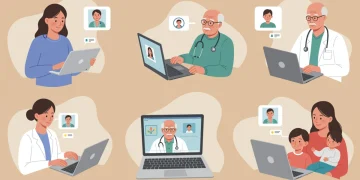
Telehealth has emerged as a critical component of modern healthcare, particularly within the mental health sector. Its ability to connect individuals with professionals remotely has proven invaluable, especially in addressing geographical barriers and the lingering stigma often associated with in-person therapy. This shift has not only broadened access but also fostered a more inclusive and flexible approach to mental wellness.
The acceleration of telehealth adoption, spurred by recent global events, has led to significant innovations. Developers and healthcare providers are now focusing on creating programs that are not just convenient but also highly effective, utilizing advanced technologies to deliver personalized and comprehensive care. This evolution signifies a move beyond basic video calls to integrated platforms that support a wide array of mental health needs.
Addressing Access and Equity through Virtual Platforms
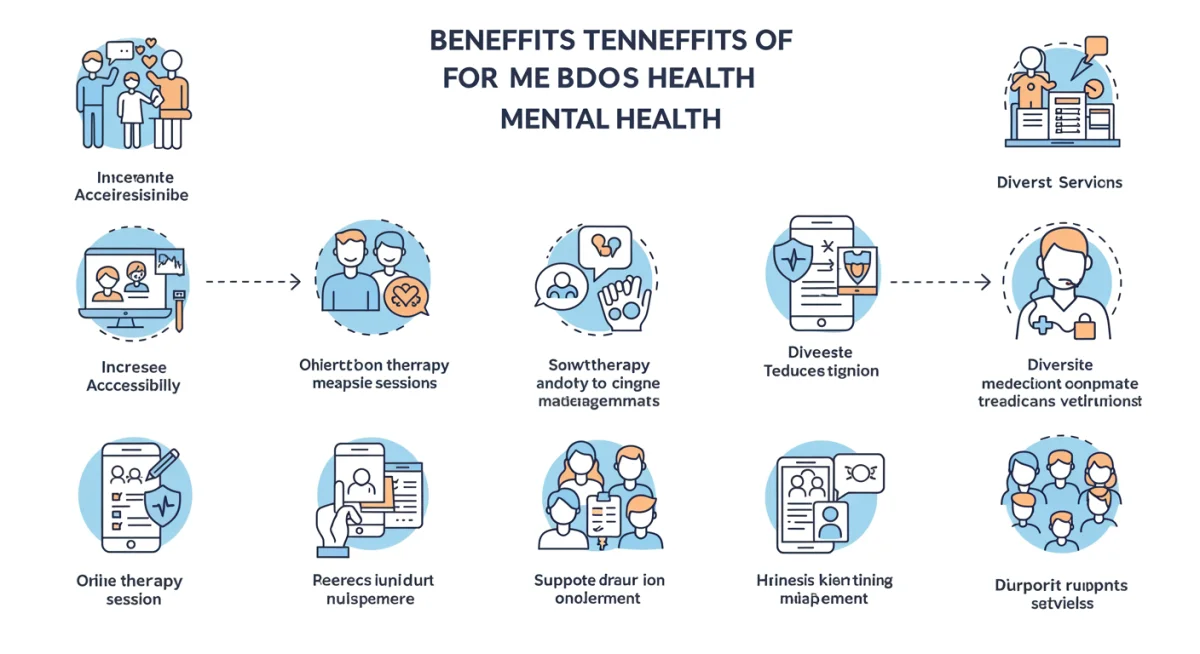
One of the most compelling advantages of telehealth is its capacity to significantly improve access to mental health services for underserved populations. Rural communities, individuals with mobility issues, and those facing financial constraints often struggle to find appropriate care. Telehealth platforms bridge these gaps, offering a lifeline to many who might otherwise go without support.
- Geographic Accessibility: Eliminates the need for travel to urban centers or specialized clinics.
- Reduced Stigma: Offers a discreet way to seek help, encouraging more individuals to engage in therapy.
- Flexible Scheduling: Allows for appointments that fit into busy schedules, making care more sustainable.
- Cost-Effectiveness: Can reduce indirect costs associated with care, such as transportation and time off work.
Furthermore, these programs are often designed with cultural competency in mind, attempting to match patients with therapists who understand their unique backgrounds and experiences. This focus on equity ensures that diverse populations receive care that is not only accessible but also relevant and respectful.
In conclusion, the expansion of telehealth signifies a pivotal moment for mental healthcare. It represents a paradigm shift towards a more patient-centric model, where care is delivered efficiently, effectively, and with a greater emphasis on individual needs and circumstances. The innovations we are seeing are laying the groundwork for a future where mental health support is truly within reach for everyone.
Program 1: MindWell Connect – Integrated Digital CBT
MindWell Connect is one of the leading innovative telehealth programs, revolutionizing how cognitive behavioral therapy (CBT) is delivered. Launched in several US states, this program combines state-of-the-art digital tools with human-led therapy, creating a hybrid model that maximizes engagement and therapeutic outcomes. Its core strength lies in its ability to adapt CBT principles to a digital format, making it highly interactive and user-friendly.
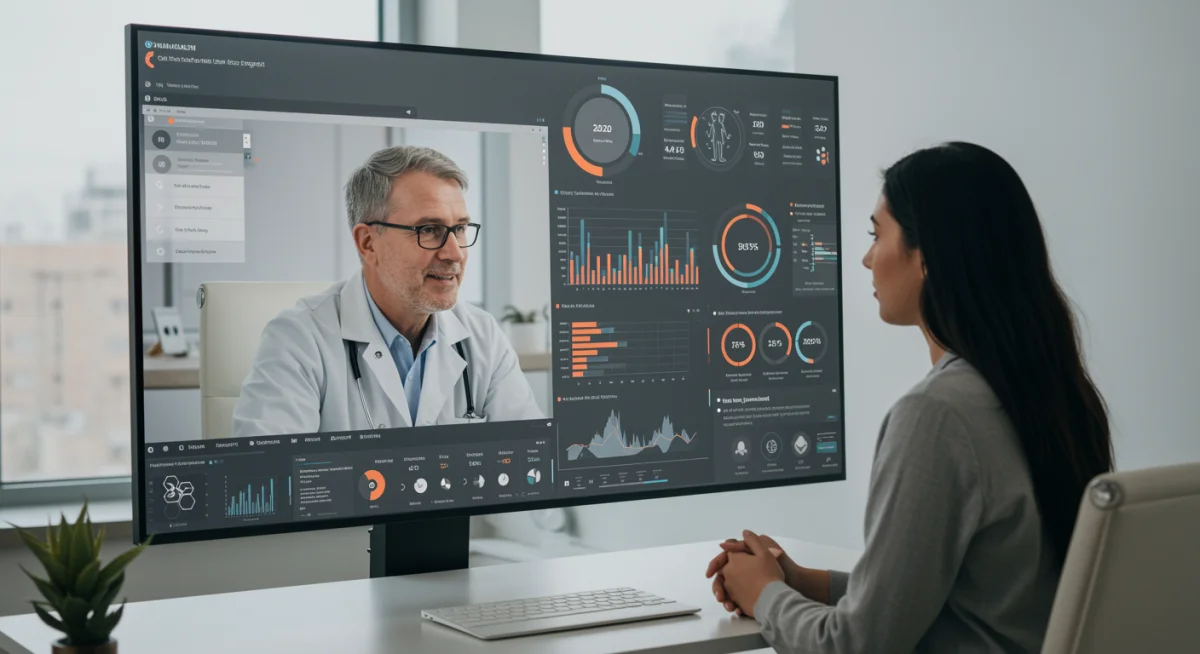
The program utilizes AI-powered analytics to track patient progress and tailor interventions, ensuring that each individual receives a highly personalized treatment plan. This data-driven approach allows therapists to identify patterns, adjust strategies in real-time, and provide more targeted support, moving beyond a one-size-fits-all model of care.
Personalized Pathways with AI Integration
MindWell Connect’s AI integration is not merely a supplementary feature; it is fundamental to its personalized approach. The platform uses machine learning algorithms to analyze various data points, including user interactions, mood tracking, and progress on therapeutic exercises. This analysis helps in creating dynamic treatment pathways that evolve with the patient’s needs.
- Adaptive Learning Modules: Content adjusts based on user engagement and comprehension.
- Predictive Analytics: Identifies potential roadblocks or areas needing more focus in treatment.
- Automated Reminders: Ensures consistent engagement with therapeutic assignments and sessions.
- Progress Visualization: Patients can see their journey and achievements, fostering motivation.
This level of personalization ensures that the therapy remains relevant and engaging, which is crucial for adherence to treatment plans in a remote setting. The AI acts as a sophisticated assistant to both the patient and the therapist, enhancing the overall therapeutic experience without replacing human connection.
Ultimately, MindWell Connect represents a significant leap forward in digital mental health, demonstrating how technology can be seamlessly integrated into evidence-based practices to deliver highly effective and individualized CBT. Its success highlights the potential for similar programs to transform mental health care delivery.
Program 2: SereneSpace – Virtual Reality for Anxiety & Phobias
SereneSpace introduces an innovative approach to treating anxiety and phobias by leveraging the immersive capabilities of virtual reality (VR). This program, initially piloted in major metropolitan areas, offers controlled, safe environments where patients can confront their fears under the guidance of a therapist. Unlike traditional exposure therapy, VR allows for customizable scenarios and a gradual increase in intensity, making the process less intimidating and more effective.
The technology creates highly realistic simulations, from public speaking scenarios to fear of heights, enabling patients to practice coping mechanisms and desensitize themselves in a secure virtual setting. This groundbreaking use of VR is proving to be a powerful tool in overcoming deep-seated anxieties that have historically been challenging to address through conventional methods.
Immersive Exposure Therapy in a Controlled Environment
The core of SereneSpace’s efficacy lies in its ability to provide a deeply immersive yet entirely safe environment for exposure therapy. Patients wear VR headsets and are guided through carefully designed virtual scenarios that mimic real-life situations triggering their anxiety or phobia. The therapist monitors their physiological responses and provides real-time coaching.
- Customizable Scenarios: Environments can be tailored to individual phobias and anxiety triggers.
- Gradual Desensitization: Exposure intensity can be slowly increased, reducing patient distress.
- Real-time Biofeedback: Some systems integrate sensors to monitor heart rate and other stress indicators.
- Immediate Therapeutic Intervention: Therapists can intervene and guide patients through difficult moments within the VR experience.
The controlled nature of the VR environment ensures that patients never feel overwhelmed, allowing them to build resilience and confidence at their own pace. This innovative method not only provides a novel therapeutic experience but also significantly reduces the practical barriers and costs associated with real-world exposure therapy.
In essence, SereneSpace is pioneering the use of virtual reality to make anxiety and phobia treatment more accessible, engaging, and ultimately, more successful. This program showcases the immense potential of advanced technology to create powerful therapeutic tools for mental health.
Program 3: Echoes of Empathy – Peer Support Networks via App
Echoes of Empathy is a pioneering program that harnesses the power of peer support within a structured and secure digital environment. Recognizing the profound impact of shared experiences, this app-based platform connects individuals facing similar mental health challenges, facilitating mutual understanding and emotional support. It emphasizes a community-driven approach, where users can find solace and guidance from others who truly understand their journey.
The platform employs sophisticated matching algorithms to connect users with peers who have similar diagnoses, life experiences, or therapeutic goals, ensuring relevant and impactful interactions. All interactions are moderated by trained professionals to maintain a safe and constructive space, distinguishing it from general social media platforms.
Building Community and Connection Digitally
The success of Echoes of Empathy hinges on its ability to foster genuine connections and a sense of belonging among its users. In an era where social isolation can exacerbate mental health issues, this platform provides a vital digital sanctuary. It allows individuals to share their struggles and triumphs without judgment, receiving empathy and practical advice from peers.
- Curated Peer Matching: Connects users based on shared conditions, demographics, or interests.
- Moderated Forums: Ensures a safe, respectful, and supportive communication environment.
- Structured Support Groups: Offers themed groups led by peer facilitators or professionals.
- Resource Sharing: Members can share coping strategies, articles, and personal insights.
The program also integrates educational resources and self-help tools, empowering users to take an active role in their recovery journey. By combining peer support with professional oversight, Echoes of Empathy offers a holistic approach that complements traditional therapy, enhancing overall mental well-being.
In summary, Echoes of Empathy stands out as an innovative model for leveraging digital platforms to cultivate strong, supportive communities. It underscores the invaluable role of peer connection in mental health recovery, making empathetic support more accessible than ever before.
Program 4: NeuroFlow Health – AI-Driven Mental Wellness Coaching
NeuroFlow Health represents a significant advancement in proactive mental wellness, utilizing artificial intelligence to provide personalized coaching and preventative care. This program focuses on early intervention and continuous monitoring, offering users tools to manage stress, improve mood, and build resilience before issues escalate. It’s designed to be an everyday companion for mental well-being, not just a crisis intervention tool.
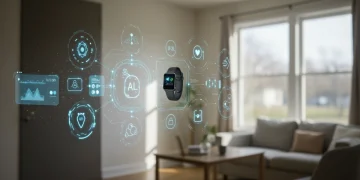
The platform collects data on mood, sleep patterns, physical activity, and stress levels through integrated wearable devices and user input. AI algorithms then analyze this data to provide tailored recommendations, guided meditations, cognitive exercises, and even suggest when professional intervention might be beneficial, connecting users to therapists if needed.
Proactive Mental Health Management through Data
The core innovation of NeuroFlow Health lies in its proactive and data-driven approach to mental well-being. Instead of waiting for symptoms to become severe, the program empowers individuals to actively monitor and manage their mental health on a daily basis. This continuous engagement helps in building self-awareness and developing effective coping strategies.
- Personalized Daily Check-ins: Tracks mood and well-being with contextual questions.
- Behavioral Nudges: Provides gentle reminders for positive habits, like mindfulness or exercise.
- Risk Stratification: Identifies individuals who might be at higher risk for mental health decline.
- Seamless Provider Integration: Can share anonymized data with a mental health professional if authorized by the user.
By empowering users with insights into their own mental health patterns, NeuroFlow Health fosters a sense of agency and control. The AI acts as a sophisticated coach, offering support and guidance that is always available and constantly adapting to the user’s evolving needs.
To conclude, NeuroFlow Health is setting a new standard for preventative mental healthcare, demonstrating how AI can be a powerful ally in maintaining and improving mental well-being. Its focus on proactive management and personalized coaching makes it an invaluable resource in the digital health ecosystem.
Program 5: ThriveNow – Culturally Competent Teletherapy for Minorities
ThriveNow addresses a critical gap in mental health services by providing culturally competent teletherapy specifically tailored for minority communities in the US. Recognizing that cultural background significantly influences how mental health is perceived and experienced, this program connects individuals with therapists who share their cultural identity or have extensive experience working with their specific community. This focus ensures a deeper level of understanding and trust, which is paramount for effective therapy.
The platform prioritizes matching clients with therapists who can navigate specific cultural nuances, linguistic preferences, and historical contexts that might impact a client’s mental health journey. This thoughtful approach aims to overcome the barriers that often prevent minority groups from seeking or benefiting from traditional mental health services.
Bridging Cultural Gaps in Mental Healthcare
The strength of ThriveNow lies in its commitment to cultural competence, an often-overlooked aspect of mental healthcare. By providing therapists who are not only clinically skilled but also culturally attuned, the program ensures that therapy is relevant, respectful, and ultimately more effective for minority clients. This can lead to better engagement and improved outcomes.
- Diverse Therapist Network: A broad range of therapists from various cultural and ethnic backgrounds.
- Linguistic Matching: Connects clients with therapists fluent in their native language.
- Cultural Sensitivity Training: All therapists undergo continuous training on cultural competence.
- Community-Specific Resources: Offers curated content and support tailored to different minority groups.
By fostering an environment where clients feel truly seen and understood, ThriveNow is breaking down significant barriers to mental health equity. It acknowledges that effective care extends beyond clinical techniques to embrace the full spectrum of a person’s identity and lived experience.
In essence, ThriveNow exemplifies how specialized telehealth programs can make a profound difference by addressing the unique needs of underserved populations. Its culturally competent approach is vital for building trust and ensuring that mental health support is truly accessible and effective for everyone, regardless of their background.
The Future Outlook for Telehealth Mental Health Services
The proliferation of these innovative telehealth programs signals a dynamic and promising future for mental health services across the United States. As technology continues to evolve, we can expect even more sophisticated and integrated solutions that address a broader spectrum of mental health needs. The initial success of programs like MindWell Connect, SereneSpace, Echoes of Empathy, NeuroFlow Health, and ThriveNow provides a blueprint for future developments, emphasizing accessibility, personalization, and cultural relevance.
Looking ahead, the integration of artificial intelligence, virtual reality, and robust data analytics will become even more seamless, allowing for predictive care models and highly individualized treatment pathways. Furthermore, regulatory frameworks are likely to adapt to support these advancements, ensuring both innovation and patient safety. The focus will increasingly be on holistic wellness, where mental health is viewed as an integral part of overall health, supported by a continuous, accessible, and responsive digital ecosystem.
Challenges and Opportunities in a Growing Field
Despite the immense potential, the expansion of telehealth mental health services is not without its challenges. Ensuring data privacy and security remains paramount, as does bridging the digital divide to ensure equitable access for all socioeconomic groups. Workforce development in teletherapy is also crucial, requiring specialized training for mental health professionals to effectively utilize these new technologies.
- Data Security: Protecting sensitive patient information in digital environments.
- Digital Divide: Ensuring access to technology and internet for all potential users.
- Regulatory Harmonization: Creating consistent licensing and practice standards across states.
- Therapist Training: Equipping professionals with the skills for effective teletherapy.
However, these challenges also present significant opportunities for innovation and growth. Investing in secure platforms, developing user-friendly interfaces for diverse populations, and advocating for supportive policies will be key to realizing the full potential of telehealth. The collaboration between technology developers, healthcare providers, and policymakers will be essential in shaping a future where mental health support is truly universal.
In conclusion, the trajectory for telehealth in mental health is undeniably upward. These five innovative programs are merely the beginning of a larger movement towards a more connected, accessible, and effective mental healthcare system. The ongoing commitment to innovation and patient-centered care will ultimately redefine how we approach mental well-being for generations to come.
| Program Name | Key Innovation |
|---|---|
| MindWell Connect | Integrated digital CBT with AI-powered personalized pathways. |
| SereneSpace | Virtual Reality for immersive anxiety and phobia exposure therapy. |
| Echoes of Empathy | App-based, moderated peer support networks for shared experiences. |
| ThriveNow | Culturally competent teletherapy for diverse minority communities. |
Frequently Asked Questions About Telehealth Mental Health Programs
▼
Telehealth significantly increases access to mental healthcare by removing geographical barriers and offering flexible scheduling. It also helps reduce the stigma associated with in-person therapy, making it easier for individuals to seek and receive necessary support discreetly and conveniently from their own homes.
▼
AI provides personalized treatment plans, tracks progress, and offers proactive coaching, making therapy more adaptive and effective. VR creates immersive, controlled environments for exposure therapy, allowing patients to safely confront and overcome fears and anxieties, offering a powerful alternative to traditional methods.
▼
Reputable telehealth programs prioritize patient data security and privacy, adhering to strict regulations like HIPAA in the US. They employ encryption, secure servers, and confidentiality protocols to protect sensitive information, ensuring that interactions and personal data remain private and protected from unauthorized access.
▼
While telehealth is highly effective for many conditions, its suitability for severe mental health conditions depends on individual circumstances and the specific program. Some programs are designed to complement in-person care, while others offer comprehensive support. It’s crucial to consult with a mental health professional to determine the most appropriate care modality.
▼
Choosing the right program involves assessing your specific needs, preferences, and cultural background. Consider factors like therapeutic approach, therapist qualifications, cost, insurance coverage, and platform features. Reading reviews and consulting with your primary care physician can also help guide your decision towards a suitable and effective program.
Conclusion
The emergence of innovative telehealth programs by early 2026 marks a significant turning point in mental health support in the United States. These programs, leveraging technologies like AI and VR, alongside culturally competent and peer-led approaches, are not just expanding access but also refining the quality and personalization of care. By addressing long-standing barriers and embracing forward-thinking solutions, the mental health landscape is evolving towards a more inclusive, effective, and accessible future for all.