Decoding Food Labels: Q4 2025 Allergen & Nutrition Updates
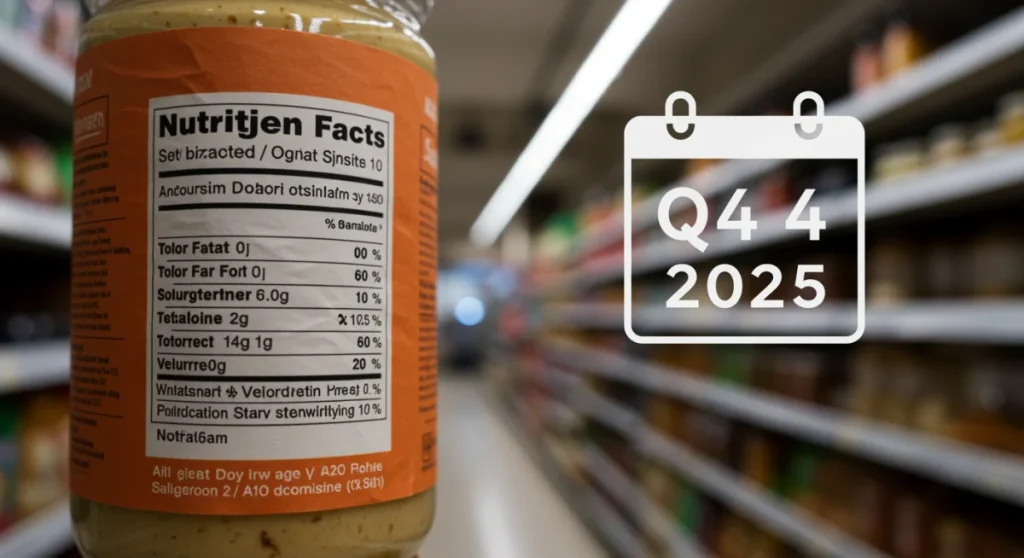
Effective Q4 2025, significant updates to food labels in the United States will mandate clearer allergen declarations and revised nutritional claims, empowering consumers with enhanced transparency for healthier food choices.
As we approach Q4 2025, consumers are on the cusp of a significant shift in how they interact with their food. The upcoming regulatory changes to food labeling promise enhanced transparency, particularly concerning allergen information and nutritional claims. This comprehensive guide will help you understand and navigate these crucial updates, ensuring you are well-equipped to make informed decisions about the foods you consume. Understanding these changes is paramount for anyone committed to a healthier lifestyle, especially those managing dietary restrictions or allergies. Preparing for these new standards means empowering yourself with knowledge that directly impacts your well-being and the health of your family.
The evolving landscape of food labeling
The world of food labeling is constantly evolving, driven by scientific advancements, consumer advocacy, and public health initiatives. These periodic updates reflect a commitment to providing clearer, more accurate information to help individuals make better dietary choices. The upcoming changes in Q4 2025 are a testament to this ongoing effort, aiming to standardize how critical information is presented, making it easier for everyone to understand.
Historically, food labels have undergone several transformations, each designed to address emerging health concerns or consumer demands. From the initial mandates for ingredient lists to the more recent emphasis on added sugars, the trajectory has always been towards greater clarity. The 2025 updates build upon this foundation, focusing on areas identified as needing significant improvement, particularly for vulnerable populations with food allergies or specific dietary needs.
Why food label updates matter
Food label updates are not just bureaucratic exercises; they are vital tools for public health. They empower consumers to identify potential allergens, monitor nutrient intake, and avoid ingredients that may conflict with their health goals or ethical considerations. Without clear and consistent labeling, making informed choices becomes a guessing game, potentially leading to adverse health outcomes.
- Enhanced consumer protection: New regulations minimize ambiguity, reducing the risk of accidental allergen exposure.
- Improved dietary management: Clearer nutritional data supports individuals in managing chronic conditions like diabetes or heart disease.
- Greater market transparency: Manufacturers are held to higher standards, fostering a more honest competitive environment.
- Public health benefits: Collective understanding of food content can lead to healthier eating habits across the population.
These updates also reflect a societal shift towards greater awareness of food’s impact on health and the environment. Consumers today are more discerning, demanding not just safe food, but also food that aligns with their personal values and health objectives. The upcoming changes are a direct response to this growing consumer sophistication, offering the tools needed to navigate an increasingly complex food system.
In essence, the evolving landscape of food labeling is a dynamic interplay between regulatory bodies, scientific research, industry capabilities, and consumer needs. Each update, including those slated for Q4 2025, represents a step forward in this continuous journey towards a more informed and healthier society. Staying abreast of these changes is not just beneficial, but essential for modern consumers.
Key changes in allergen information
One of the most critical aspects of the upcoming 2025 food label updates revolves around allergen information. For millions of Americans living with food allergies, accurate and easily identifiable allergen declarations are not just a convenience, but a matter of life and death. The new regulations aim to standardize and enhance the visibility of major food allergens, minimizing confusion and reducing the risk of accidental exposure.
The current Food Allergen Labeling and Consumer Protection Act (FALCPA) identified eight major food allergens. However, recent scientific consensus and consumer advocacy have highlighted the need for broader inclusion and stricter presentation guidelines. The Q4 2025 updates will address these concerns, potentially expanding the list of allergens requiring explicit declaration and mandating more prominent placement on packaging.
New allergen declaration formats
Manufacturers will be required to adopt new, standardized formats for allergen declarations. This might include a dedicated ‘Contains’ statement immediately following the ingredient list, using bold type or a larger font size for allergens, and potentially even specific icons for common allergens. The goal is to make allergen information virtually impossible to miss, even for a quick glance.
- Mandatory bolding: All major allergens must be clearly bolded within the ingredients list.
- Standardized ‘Contains’ statement: A uniform phrase like ‘Contains: [Allergen 1], [Allergen 2]’ will be required.
- Improved legibility: Font size and contrast requirements will ensure better readability.
- Cross-contamination warnings: Clear guidelines for voluntary statements regarding potential cross-contamination.
These changes are designed to go beyond mere compliance, fostering a culture of safety and transparency within the food industry. By making allergen information more conspicuous, consumers can quickly assess the suitability of a product without having to meticulously scrutinize tiny print on crowded labels. This is particularly beneficial in situations where time is limited, such as during a busy grocery shopping trip.

Furthermore, the updates may also address the labeling of ‘may contain’ statements. While these warnings are voluntary, their inconsistent use can create confusion. The new guidelines might offer clearer parameters for when and how these advisory statements should be used, providing more reliable information for those with severe allergies. The aim is to strike a balance between providing adequate warning and avoiding unnecessary alarm.
Ultimately, these key changes in allergen information are a significant step towards a safer food environment for individuals with food allergies. They represent a collective effort to improve communication between food producers and consumers, ensuring that critical health information is readily accessible and easily understood. Consumers should familiarize themselves with these new formats to fully leverage the protections they offer.
Navigating revised nutritional claims
Beyond allergen information, the Q4 2025 updates also bring substantial revisions to nutritional claims on food labels. These changes are designed to make it easier for consumers to understand the genuine nutritional value of products, cutting through marketing jargon and providing science-backed information. The aim is to combat misleading claims and promote healthier eating habits by presenting nutritional data in a more transparent and actionable way.
The Food and Drug Administration (FDA) and other regulatory bodies have observed that many existing nutritional claims can be confusing or even deceptive. Terms like ‘light,’ ‘natural,’ or ‘healthy’ have often been used without clear, universally understood definitions, leading to consumer skepticism. The upcoming revisions seek to tighten these definitions and introduce new parameters for substantiating such claims.
Understanding updated nutrient content claims
New guidelines will redefine what constitutes certain nutrient content claims, such as ‘low fat,’ ‘high fiber,’ or ‘reduced sugar.’ These definitions will likely be more stringent, requiring products to meet specific thresholds to qualify for these labels. This means that a product claiming to be ‘low sugar’ in 2025 will need to meet a stricter standard than it might today.
- Stricter ‘low sugar’ criteria: Products must contain significantly less sugar to qualify for this claim.
- Redefined ‘healthy’ criteria: A more comprehensive approach, considering fat, sodium, and added sugars, not just individual nutrients.
- Clarity on ‘natural’: Efforts to establish a clearer definition or restrict its use to prevent consumer deception.
- Emphasis on whole grains: More explicit requirements for products claiming to be ‘whole grain’ or ‘multi-grain.’
These changes are particularly important for consumers who rely on nutritional claims to guide their purchases for health reasons, such as managing weight, blood pressure, or cholesterol. By standardizing these claims, the new labels will provide a more reliable basis for comparison between products, allowing consumers to make truly informed choices.
Furthermore, there may be an increased focus on front-of-package labeling, with simplified symbols or scores designed to convey overall nutritional quality at a glance. While not yet universally mandated, such systems are gaining traction globally and could become part of the US labeling landscape, complementing the detailed information found on the back of products. The goal is to provide both quick summaries and in-depth details, catering to different consumer needs.
The revised nutritional claims represent a proactive effort to empower consumers with accurate and meaningful information. By understanding these updates, individuals can better decipher food labels, make healthier choices, and ultimately improve their overall well-being. It’s a move towards a food environment where transparency is paramount and consumers are equipped with the knowledge to navigate it effectively.
Impact on consumers and manufacturers
The impending food label updates effective Q4 2025 will have a multifaceted impact on both consumers and manufacturers across the United States. For consumers, these changes promise a new era of clarity and empowerment, while for manufacturers, they necessitate significant adjustments in production, labeling processes, and potentially even product formulations. Understanding these reciprocal impacts is crucial for a smooth transition.
For consumers, the most immediate benefit will be enhanced confidence in their food choices. Individuals with allergies or dietary restrictions will find it significantly easier to identify safe and suitable products, reducing anxiety and improving their quality of life. The clearer nutritional claims will also enable a more precise approach to diet management, supporting public health initiatives aimed at reducing chronic diseases.
Challenges and opportunities for manufacturers
Manufacturers, on the other hand, face a substantial undertaking. Reworking labels for thousands of products is a complex and costly process, involving graphic design, regulatory compliance checks, and printing. Beyond just labels, some companies may need to reformulate products to meet stricter nutritional claim criteria or to manage allergen cross-contamination risks more effectively.
- Compliance costs: Significant investment in label redesign, printing, and regulatory review.
- Supply chain adjustments: Potential need to source new ingredients or modify production lines.
- Product reformulation: Some products may need to be altered to meet new nutritional claims.
- Consumer trust: Opportunity to build stronger brand loyalty through transparent and compliant labeling.
This period of transition also presents an opportunity for manufacturers to innovate. Companies that proactively embrace the new regulations, and even go beyond minimum requirements, can differentiate themselves in the market. By demonstrating a strong commitment to consumer health and transparency, they can build greater trust and loyalty among their customer base. This can translate into a competitive advantage in an increasingly health-conscious market.
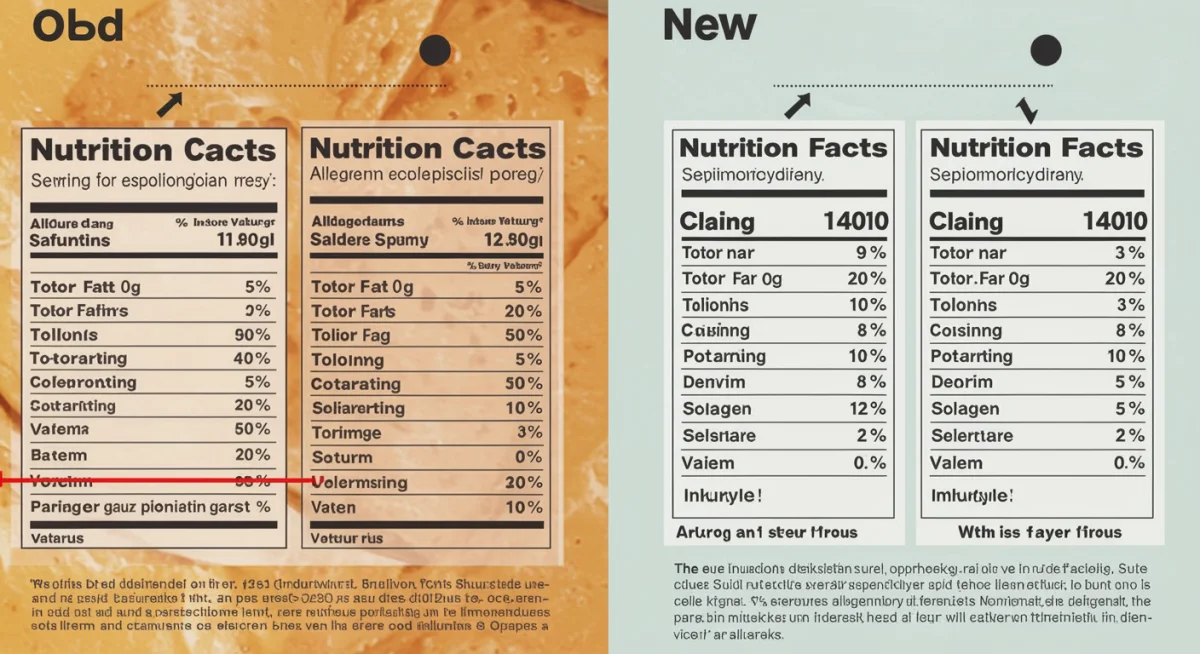
Furthermore, the updates could lead to a more level playing field. Smaller brands that might have struggled to compete with larger companies’ marketing budgets can now rely on clear, standardized labeling to communicate their product’s benefits effectively. This could foster greater innovation and variety in the food market, ultimately benefiting consumers.
The impact of these changes extends beyond individual transactions; it influences the entire food ecosystem. From farmers to distributors, retailers to consumers, everyone will adapt to the new paradigm. While the initial investment for manufacturers might be substantial, the long-term benefits of increased consumer trust and improved public health are undeniable. Both consumers and manufacturers must prepare to adapt and embrace these changes for a healthier future.
Preparing for the 2025 label changes
With Q4 2025 approaching, proactive preparation is key for both consumers and food industry stakeholders. Understanding how to navigate these significant label changes will ensure a smooth transition and allow everyone to fully benefit from the enhanced information. For consumers, this involves developing new habits and awareness, while for businesses, it demands strategic planning and implementation.
Consumers should begin by familiarizing themselves with the proposed changes well in advance. Reputable sources such as the FDA website (fda.gov) and consumer advocacy groups often publish detailed guides and summaries of upcoming regulations. Staying informed through these channels will help individuals understand what to look for on new labels and how to interpret the updated information.
Tips for consumers
Adopting new habits at the grocery store will be essential. This includes taking a moment to identify the new allergen declaration formats and understanding the revised criteria for nutritional claims. Don’t assume that a product you regularly buy will have the same nutritional profile or allergen warnings, as reformulations or new labeling might be in effect.
- Review official guidelines: Consult FDA resources for detailed explanations of the new rules.
- Practice label reading: Start consciously looking for allergen statements and nutritional facts on current labels to build a habit.
- Question familiar products: Be aware that even trusted brands might change formulations or labeling.
- Utilize consumer apps: Many apps help decipher labels; ensure they update to reflect 2025 standards.
For manufacturers, preparation involves a multi-departmental effort. Regulatory teams must ensure full compliance, R&D departments might explore product reformulations, and marketing teams will need to update packaging and promotional materials. Early engagement with these tasks can prevent last-minute rushes and potential non-compliance issues.
Furthermore, robust internal training programs for staff, especially those involved in production, quality control, and customer service, will be vital. Everyone from the factory floor to the customer service desk needs to understand the new labeling requirements to accurately answer consumer queries and maintain product integrity. Effectively communicating these changes to the public will also be critical for maintaining consumer trust.
In summary, preparation is not just about compliance; it’s about adaptation and communication. By taking proactive steps, both consumers and the food industry can seamlessly transition into the new labeling landscape of Q4 2025, maximizing the benefits of clearer, more accurate food information for a healthier nation.
Benefits of enhanced transparency
The push for enhanced transparency in food labeling, culminating in the Q4 2025 updates, brings a multitude of benefits that extend far beyond mere regulatory compliance. This increased clarity empowers consumers, fosters greater accountability in the food industry, and ultimately contributes to a healthier, more informed society. The ripple effects of these changes will be felt across various sectors, creating a more trustworthy food environment.
For consumers, the most significant benefit is the ability to make truly informed decisions. No longer will they have to guess about hidden allergens or ambiguous nutritional claims. This newfound clarity is particularly valuable for individuals with specific health needs, allowing them to tailor their diets with precision and confidence. It reduces the stress associated with grocery shopping and food preparation, making healthy living more accessible.
Promoting public health and trust
Enhanced transparency directly supports public health initiatives. By making it easier to identify high-sugar, high-sodium, or high-fat products, consumers can actively work towards reducing their intake of these components, which are often linked to chronic diseases. Similarly, clear allergen labeling can significantly decrease the incidence of allergic reactions, potentially saving lives and reducing healthcare burdens.
- Reduced allergic reactions: Clear labeling minimizes accidental exposure, enhancing safety.
- Better dietary choices: Accurate information supports healthier eating patterns and chronic disease prevention.
- Increased industry accountability: Manufacturers are incentivized to produce healthier, safer products.
- Stronger consumer-brand relationships: Transparency builds trust and loyalty, benefiting ethical brands.
Moreover, transparency fosters a stronger sense of trust between consumers and food manufacturers. When companies are open and clear about their ingredients and nutritional content, it builds credibility. This trust is invaluable in today’s market, where consumers are increasingly scrutinizing the origins and composition of their food. Brands that embrace transparency are likely to be rewarded with greater loyalty and a positive public image.
The benefits also extend to food innovation. With clearer guidelines and increased consumer awareness, manufacturers may be spurred to develop healthier, allergen-friendly alternatives to existing products. This competitive drive towards better-for-you options can lead to a wider variety of nutritious and safe foods available on the market, benefiting everyone.
In essence, enhanced transparency is a win-win scenario. It simplifies the complex world of food for consumers, protects vulnerable populations, and encourages the food industry to operate with greater integrity. The Q4 2025 updates are a pivotal moment in this journey, promising a future where food labels are truly tools for empowerment and well-being.
Future outlook: beyond Q4 2025
While the Q4 2025 food label updates mark a significant milestone, the journey towards perfect food transparency is ongoing. The regulatory landscape is dynamic, and future developments are inevitable as science progresses, consumer needs evolve, and new technologies emerge. Looking beyond 2025, we can anticipate further refinements and innovations in how food information is communicated to the public.
One area ripe for future development is the integration of digital technologies. QR codes or scannable links on packaging could lead consumers to extended information online, including detailed sourcing data, environmental impact, or even personalized dietary advice. This would allow for an unprecedented level of detail without cluttering physical labels, catering to consumers who desire more in-depth knowledge.
Potential areas for further innovation
The concept of personalized nutrition is also gaining traction, and future labeling might evolve to support this. Imagine labels that, when scanned, integrate with a personal health app to highlight how a product fits into your specific dietary plan or health goals. This level of customization could revolutionize how individuals manage their health through food.
- Digital integration: QR codes for extended product information, sustainability data, and more.
- Personalized nutrition: Labels interacting with health apps for tailored dietary guidance.
- Environmental impact labeling: Clearer indicators of carbon footprint or water usage for eco-conscious consumers.
- Ingredient origin transparency: Greater detail on where ingredients are sourced from.
Furthermore, as consumer awareness of sustainability grows, future labels might incorporate more explicit information about a product’s environmental footprint. This could include carbon footprint metrics, water usage, or ethical sourcing certifications, guiding consumers who prioritize ecological impact in their purchasing decisions. Such developments would align food labeling with broader societal values.
The ongoing challenge will be to balance the need for comprehensive information with the imperative of simplicity. Overloading labels with too much data can be counterproductive, leading to consumer fatigue and confusion. Therefore, future innovations will likely focus on smart, intuitive ways to present complex information, perhaps through tiered systems or interactive platforms.
Ultimately, the future of food labeling is likely to be characterized by increasing sophistication, driven by both technological advancements and a deeper understanding of consumer needs. The Q4 2025 updates are a crucial step, but they are part of a larger, continuous evolution aimed at creating a food system that is truly transparent, empowering, and beneficial for all.
| Key Update Area | Brief Description of Change |
|---|---|
| Allergen Information | Mandatory bolding and standardized ‘Contains’ statements for major allergens, improving visibility. |
| Nutritional Claims | Stricter criteria for terms like ‘low sugar’ and ‘healthy,’ reducing misleading marketing. |
| Consumer Empowerment | Greater clarity enables informed choices, promoting public health and dietary management. |
| Manufacturer Impact | Requires label redesigns, potential product reformulations, and increased transparency efforts. |
Frequently asked questions about food label updates
▼
The primary changes include mandatory bolding of major allergens within the ingredient list and the standardization of ‘Contains’ statements. These updates aim to make allergen declarations more prominent and easier to identify, significantly reducing the risk of accidental exposure for individuals with food allergies.
▼
Nutritional claims such as ‘low sugar’ will face stricter criteria. Products will need to meet more rigorous thresholds to qualify for these labels, ensuring that the claims are more accurate and less misleading. This helps consumers make healthier choices based on reliable information.
▼
The new food label regulations are scheduled to become effective in Q4 2025. This timeline provides manufacturers with sufficient time to implement the necessary changes to their product labeling and formulations to ensure full compliance with the updated standards.
▼
Consumers should familiarize themselves with official guidelines from regulatory bodies like the FDA, practice actively reading labels, and be aware that familiar products might have updated information. Developing new label-reading habits will be crucial for navigating the changes effectively.
▼
The updates will significantly benefit public health by reducing allergic reactions and enabling better dietary management. Clearer information empowers consumers to make healthier food choices, potentially lowering the incidence of diet-related chronic diseases and improving overall well-being across the population.
Conclusion
The impending food label updates, effective Q4 2025, represent a monumental step forward in consumer empowerment and public health within the United States. By mandating clearer allergen declarations and establishing more rigorous standards for nutritional claims, these regulations promise a new era of transparency in the food industry. Consumers will be better equipped to make informed choices, manage dietary restrictions with greater confidence, and actively pursue healthier lifestyles. While manufacturers face the challenge of adapting to these new requirements, the long-term benefits of increased consumer trust and a healthier population are undeniable. As we move towards 2025 and beyond, continuous vigilance and adaptation from both consumers and the industry will be key to harnessing the full potential of these vital labeling advancements, paving the way for a more knowledgeable and health-conscious society.