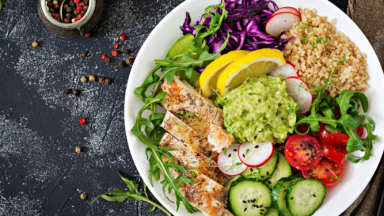
Healthy Recipes for Weight Loss: Nutritious Meals That Are Simple and Affordable provide balanced, protein- and fiber-rich dishes, smart budget swaps and batch-cooking methods to promote satiety, control portions and support steady weight loss with minimal time and cost.
Healthy Recipes for Weight Loss: Nutritious Meals That Are Simple and Affordable can make eating well feel doable. Want tasty, low-cost meals that keep you full? Here you’ll find real recipes, easy swaps and shopping tips to help you move toward your goals without strict rules.
Balanced meal plans for weight loss and lasting satiety
Healthy Recipes for Weight Loss balanced meal plans focus on real food that keeps you full and helps steady weight loss. These plans use protein, fiber and healthy fats to curb hunger without strict dieting.
Small changes to meals and simple prep can make healthy eating easy and affordable while improving long-term satiety.
Build a balanced plate
Start each meal with a clear ratio: half vegetables, one quarter lean protein, one quarter whole grains or starchy vegetable. This mix supports fullness and steady energy.
Key nutrients and simple targets
Aim for protein at every meal and fiber-rich carbs to lengthen fullness. Healthy fats add satisfaction and help absorb nutrients.
- Protein: 20–35 g per main meal from beans, fish, poultry or tofu.
- Fiber: include vegetables, fruit and whole grains to reach 25–30 g daily.
- Fats: a small serving of nuts, avocado or olive oil keeps meals satisfying.
These targets are flexible. Adjust portions based on hunger, activity and weight goals. Use a food scale once to learn portions, then eyeball them later.
Sample meal building blocks
Mix and match simple components to save time: roasted vegetables, baked chicken, canned beans, quick grains and fresh salad greens. Combine for varied plates that are cheap and quick.
- Breakfast: Greek yogurt, berries and a sprinkle of oats or seeds.
- Lunch: grain bowl with quinoa, chickpeas, spinach and lemon-tahini dressing.
- Dinner: pan-seared fish, steamed broccoli and sweet potato wedges.
Snacks can support satiety: apple with nut butter, hummus with carrot sticks or a small portion of cottage cheese. These choices keep hunger steady between meals.
Batch cooking and budget tips
Cook staples once and combine them in different ways all week. Batch-cook grains, roast a tray of veggies and roast a protein to save time and reduce waste.
- Plan two proteins and three vegetable options to mix into bowls and salads.
- Use frozen vegetables and canned legumes to cut costs while keeping nutrition high.
- Portion meals into reusable containers for grab-and-go ease.
Adjust spices and sauces to keep flavors fresh without extra cost. Simple swaps like brown rice for white rice or lentils for ground meat lower calories and add fiber.
Keeping track of hunger, fullness and energy helps fine-tune portions. Small, consistent changes beat short-term strict plans for lasting results.
Balanced meal plans that focus on protein, fiber and real foods make weight loss more manageable and keep you satisfied. Use the plate rule, batch-cook staples and pick low-cost, nutrient-dense ingredients for steady progress.
Budget-friendly grocery lists, swaps and batch cooking tips
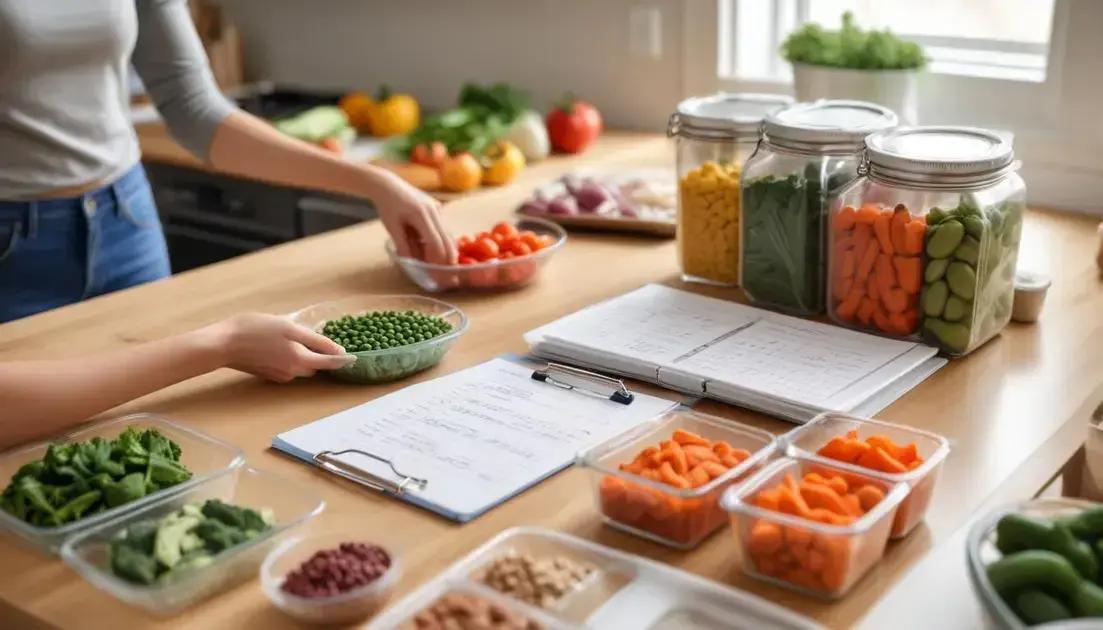
Healthy Recipes for Weight Loss: Nutritious Meals That Are Simple and Affordable guide smart shopping and simple prep to cut costs without losing flavor. These tips help you shop with a plan and cook less while eating well.
Use a short list, low-cost swaps and batch cooking to make filling meals fast and cheap all week.
Smart grocery list basics
Make a list by meal and category to avoid impulse buys. Group items by aisle and note quantities so you only buy what you need.
Staples to keep on hand
Choose versatile, low-cost foods that stretch across recipes and add fiber and protein.
- Whole grains: brown rice, oats, whole wheat pasta.
- Legumes: dry lentils, canned beans for soups and bowls.
- Frozen vegetables and fruits for convenience and value.
- Affordable proteins: eggs, canned tuna, chicken thighs.
Buying a few staples in bulk cuts cost per meal. Store dry goods in clear containers to avoid waste. Pick store brands for basics—they often match name brands in quality.
Smart swaps that save money
Small swaps keep meals nutritious and lower the bill. Try them in recipes you already like.
- Swap ground meat for lentils in tacos, chili, or pasta sauces.
- Use shredded cabbage or mixed greens instead of pricey salad bags.
- Switch Greek yogurt for sour cream to add protein and creaminess.
- Choose frozen berries for smoothies instead of fresh when out of season.
These swaps keep texture and taste while adding fiber or protein to meals. They also help your budget stay steady from week to week.
Batch cooking tips and simple workflow
Cook components, not full meals. Batch grains, roast vegetables and prep a couple of proteins to mix during the week.
- Plan: pick two proteins, two grains and three vegetables to rotate.
- Batch-cook grains and legumes in one pot for flexible bowls.
- Roast a sheet pan of mixed vegetables with simple seasonings.
- Store portions in clear reusable containers to see what you have.
Label containers with the date and use the oldest first. Reheat meals gently to keep texture. Small flavor boosts like a squeeze of lemon or a sprinkle of herbs keep repeats interesting.
Shop sales and plan meals around discounted items. Frozen and canned goods cut cost and waste while keeping nutrition high. A simple weekly plan with batch-cooked parts saves time and reduces the urge to order takeout.
Healthy Recipes for Weight Loss become doable when you shop smart, swap wisely and batch-cook key items. These habits keep meals affordable, varied and satisfying so you can stay on track without extra stress.
Quick, nutritious recipes for breakfast, lunch and dinner
Healthy Recipes for Weight Loss: Nutritious Meals That Are Simple and Affordable focuses on fast, flavorful dishes you can make any day. These meals balance protein, fiber and healthy fats for lasting fullness.
Use quick swaps and simple steps to build breakfasts, lunches and dinners that save time and support steady progress.
Quick breakfast ideas
Start the day with protein and fiber to cut mid-morning cravings. Aim for 10–20 g protein and a source of fiber in each breakfast.
- Overnight oats: combine rolled oats, milk or plant milk, a spoonful of Greek yogurt, and frozen berries. Chill overnight and top with seeds.
- Veggie scramble: whisk eggs or egg whites, add chopped spinach and tomatoes, cook in a nonstick pan and serve with a slice of whole-grain toast.
- Smoothie bowl: blend a banana, a scoop of protein powder, spinach and frozen fruit. Top with a small handful of oats or nuts for crunch.
These options are quick to prepare or assemble the night before for busy mornings.
Small swaps like using canned beans or frozen fruit keep cost down without losing nutrition.
Simple lunch builds
Lunch should be easy to pack and reheat. Think bowls, wraps or hearty salads that combine a grain, a protein and plenty of vegetables.
Try a grain bowl with brown rice, roasted sweet potato, black beans, greens and a drizzle of olive oil and lemon. Mix textures with crunchy raw veggies and warm roasted pieces.
Wraps are portable: spread hummus on a whole-wheat tortilla, add grilled chicken or tofu, sliced cucumber and shredded carrot. Fold tightly and toast briefly if you like warmth.
Leftover dinner parts work great for lunch—roast extra vegetables or cook an extra portion of protein to speed up midweek meals.
Easy dinners in 30 minutes
Choose one-pan or skillet recipes to cut cleanup and time. Focus on lean protein, a veggie side and a small portion of complex carbs.
- Stir-fry: sauté frozen mixed vegetables with garlic, ginger and cubed tofu or shrimp; serve over quick-cook brown rice.
- Sheet-pan dinner: toss chicken thighs with root vegetables and roast until golden; finish with fresh herbs.
- One-pot pasta: whole-wheat pasta cooked with spinach, cherry tomatoes and white beans; toss with a little olive oil and Parmesan.
Use pre-chopped veggies or frozen mixes to save even more time without adding cost.
Snacks that pair protein and fiber help keep meals effective: apple slices with nut butter, carrot sticks with hummus, or a small Greek yogurt with berries work well.
Healthy Recipes for Weight Loss become simple when you focus on quick assembly, balanced portions and smart swaps. Pick a few go-to recipes, batch certain components, and rotate flavors so meals stay satisfying and affordable.
Portion guidance, tracking strategies and a sample weekly menu
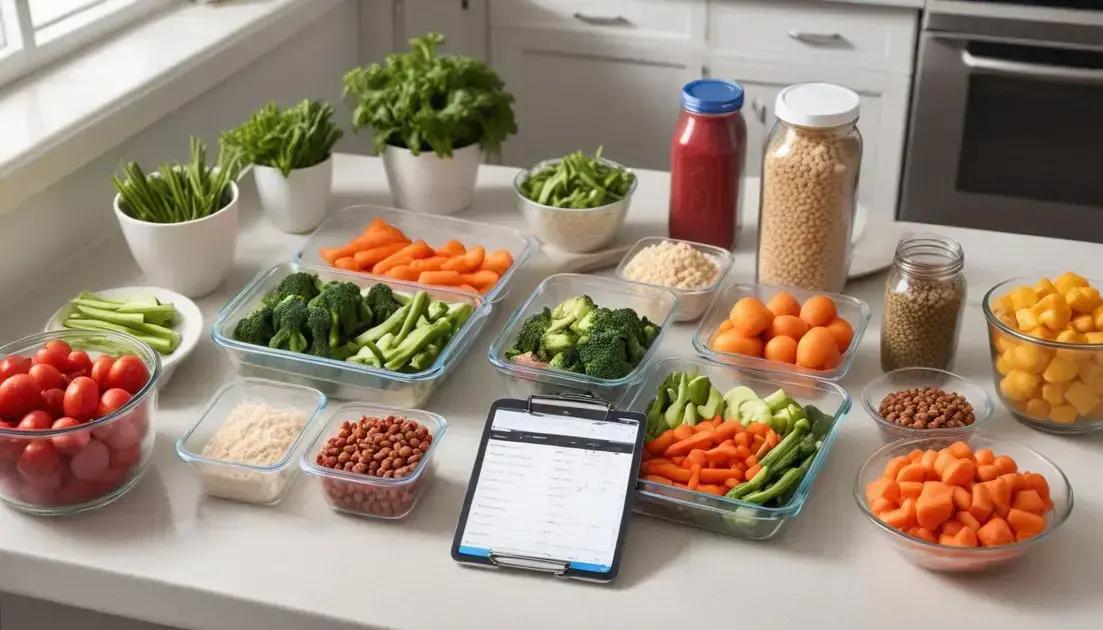
Healthy Recipes for Weight Loss: Nutritious Meals That Are Simple and Affordable gives clear rules for portions and easy tracking that fit a busy week. Use simple habits to stay consistent without strict rules.
Below are practical portion guides, low-effort tracking tips and a sample rotating menu you can repeat through the week.
Portion rules that are easy to follow
Use the plate method to keep portions sensible. It works for home meals and packed lunches.
- Half your plate: non-starchy vegetables for volume and fiber.
- One quarter: lean protein like chicken, beans, fish or tofu.
- One quarter: whole grains or starchy veg such as brown rice or sweet potato.
- Add a small portion of healthy fat: a few nuts, 1/4 avocado or a teaspoon of oil.
Weighing food once helps you learn portions. After that, use visual cues: a palm-sized protein, a fist of carbs, two cupped hands of veg and a thumb of fat.
Simple tracking strategies that stick
Pick one tracking method you will use consistently. Consistency matters more than perfection.
- Daily log: note meals and one quick note on hunger and energy.
- Photo log: take a quick photo of each meal to review portion sizes.
- Weekly check-ins: record weight or how clothes fit once per week at the same time.
- Use a small habit tracker: mark days you hit protein and veggie goals.
Tracking should inform choices, not add stress. If a day slips, note what changed and plan one small fix for the next meal.
Pay attention to real hunger and fullness cues. Pause halfway through a meal and check your hunger; often a short break helps decide if you need more.
How to combine portions into a weekly plan
Design a simple 4-day rotating menu to cover seven days by repeating two days or swapping snacks. This keeps shopping and prep easy.
- Day A: grilled chicken, quinoa, steamed broccoli, mixed salad with olive oil.
- Day B: lentil chili, brown rice, roasted carrots, side of Greek yogurt.
- Day C: baked fish, sweet potato wedges, sautéed greens, fruit for dessert.
- Day D: chickpea salad wrap with whole-wheat tortilla, raw veggies and a small handful of nuts.
Mix and match these building blocks across the week. Swap proteins or grains to use sale items and reduce waste. Leftovers become lunches to save time.
Pair portions with tracking: use the photo log for a few days to check portion consistency, then rely on the plate method most days. Small, steady changes beat short-term extremes.
Healthy Recipes for Weight Loss work best when portions are simple, tracking is low-effort and the menu is repeatable. Use the plate rule, a short tracking habit and a 4-day rotating plan to make progress without overthinking.
Healthy Recipes for Weight Loss work best with small, steady habits: balanced plates, smart shopping, and light tracking. Focus on simple swaps, batch cooking, and a repeatable menu to stay full and make steady progress without stress.
FAQ – Healthy Recipes for Weight Loss
How can I make weight-loss meals affordable?
Plan around staples like beans, oats, canned tuna and frozen vegetables, buy in bulk, and batch-cook to reduce cost per meal.
What is an easy portion rule to follow?
Use the plate method: half vegetables, one quarter lean protein, one quarter whole grains or starchy veg, plus a small healthy fat.
How do I keep meals satisfying without overeating?
Prioritize protein and fiber at each meal, include a small portion of healthy fat, and pause midway to check hunger before taking seconds.
What tracking method is simple and effective?
Try a photo log or brief daily notes for one week to learn portions, then switch to weekly check-ins to monitor progress and adjust as needed.