Home Wellness Spaces: Design Trends of 2026 and Mental Health
The evolving concept of home wellness spaces in 2026 focuses on integrating design trends like biophilia, smart technology, sensory retreats, and adaptable layouts to profoundly enhance mental health and overall well-being.
The pursuit of well-being has transcended traditional boundaries, making the home a pivotal sanctuary for mental and physical health. As we look towards 2026, the design of our living environments is increasingly recognized for its profound influence on our state of mind. This article delves into the top home wellness spaces design trends emerging for 2026, comparing their unique characteristics and analyzing their significant impact on mental health.
The Rise of Biophilic Design: Connecting with Nature Indoors
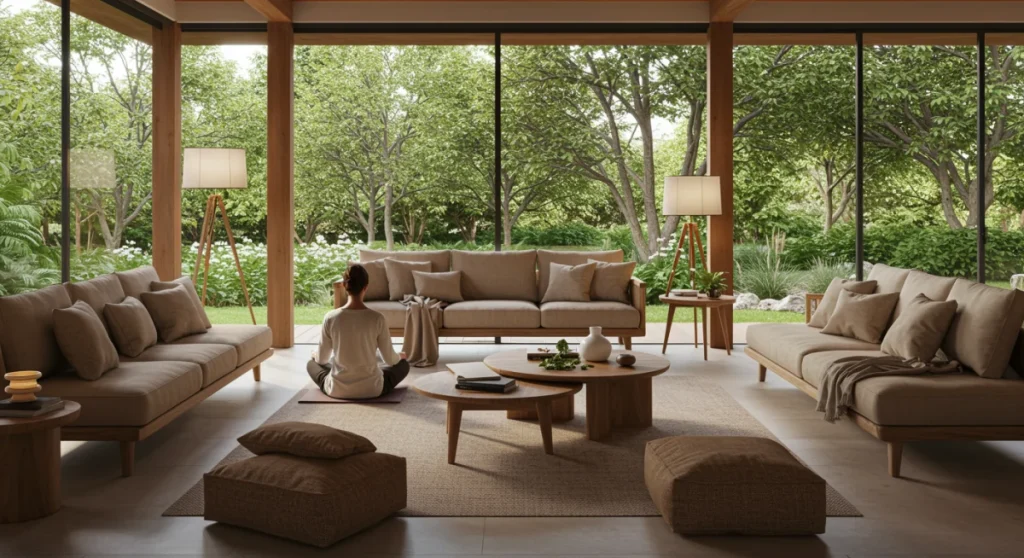
Biophilic design, a concept that integrates natural elements into built environments, is set to dominate home wellness spaces in 2026. This trend acknowledges our innate human need to connect with nature, bringing the calming and restorative qualities of the outdoors inside. It’s more than just adding houseplants; it’s about creating an immersive natural experience that supports mental clarity and reduces stress.
The core principle of biophilia revolves around leveraging natural light, incorporating organic textures, and introducing living flora to foster a sense of tranquility and vitality. This approach can transform any room into a refreshing haven, promoting a deeper connection with the natural world even within urban settings.
Key Elements of Biophilic Integration
- Natural Light Optimization: Maximizing daylight exposure through large windows, skylights, and strategic curtain choices.
- Indoor Greenery: Incorporating a variety of plants, from potted specimens to living walls, to improve air quality and aesthetic appeal.
- Organic Materials: Using wood, stone, and natural fibers in furniture and finishes to evoke a sense of authenticity.
- Views of Nature: Arranging spaces to offer unobstructed views of gardens, parks, or even carefully curated outdoor scenes.
The mental health benefits of biophilic design are well-documented. Studies suggest that exposure to natural elements can lower blood pressure, reduce stress hormones, and improve cognitive function. For homeowners, this means creating environments that actively contribute to a more peaceful and focused mind, fostering a sense of grounding and emotional stability. By prioritizing nature, these spaces become powerful tools for daily rejuvenation.
Smart Wellness Technology: Intuitive Environments for Health
As technology continues to advance, smart wellness solutions are becoming integral to home design, offering personalized and intuitive ways to manage well-being. By 2026, these integrated systems will move beyond mere convenience, actively contributing to a healthier living environment and a more balanced mental state. This trend combines cutting-edge innovation with a focus on holistic health outcomes.
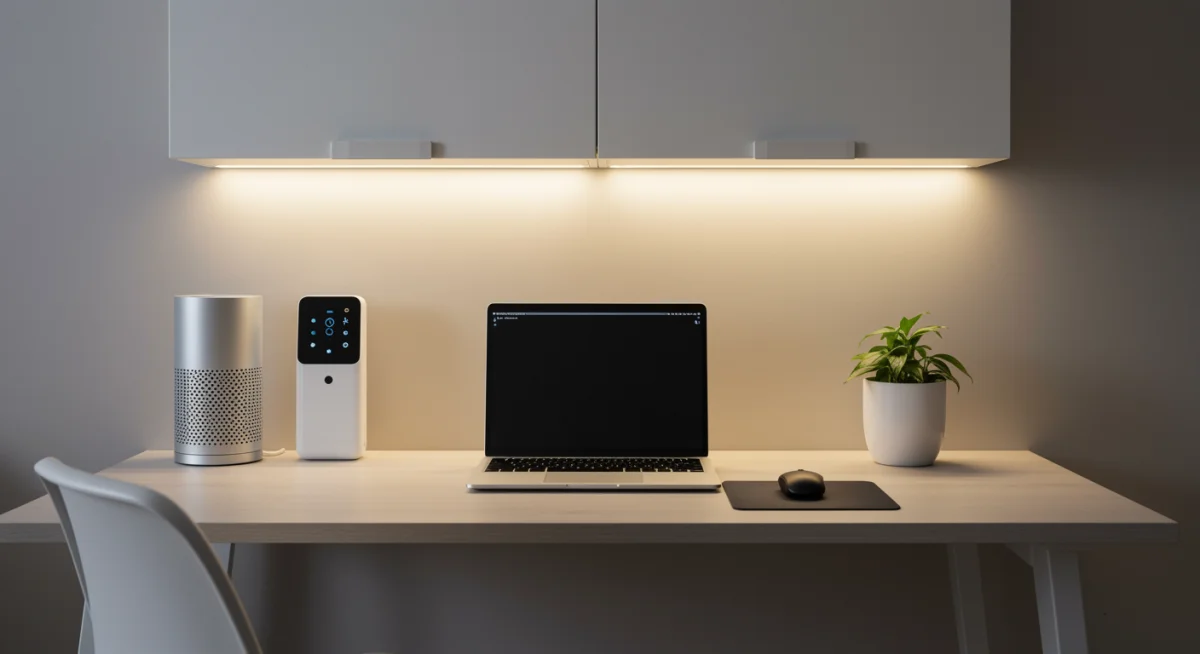
From automated lighting that mimics natural circadian rhythms to air purification systems that monitor and optimize indoor air quality, smart wellness technology creates a responsive environment. These systems learn user preferences and adapt to promote relaxation, improve sleep, and enhance overall mood, making wellness an effortless part of daily life.
Technological Innovations for Well-being
- Circadian Lighting Systems: Adjusting light intensity and color temperature throughout the day to support natural sleep-wake cycles.
- Advanced Air and Water Filtration: Ensuring optimal air quality by removing pollutants and providing purified drinking water.
- Soundscaping Devices: Generating calming ambient sounds or white noise to aid concentration, relaxation, or sleep.
- Integrated Health Monitoring: Wearable tech and smart home devices that seamlessly track health metrics and offer personalized insights.
The mental health impact of smart wellness technology is significant. By automating aspects of environmental control, it reduces cognitive load and allows individuals to focus on other aspects of their well-being. Furthermore, the data and insights provided by these systems can empower users to make informed choices about their lifestyle, contributing to a greater sense of control and self-efficacy, which are crucial for mental resilience.
Sensory Retreats: Curating Spaces for Mindful Engagement
In an increasingly overstimulating world, the trend of creating dedicated sensory retreats within the home is gaining momentum for 2026. These spaces are intentionally designed to engage specific senses in a calming and restorative manner, offering an escape from digital distractions and daily pressures. They are personal sanctuaries crafted for deep relaxation and mindful reflection.
A sensory retreat might focus on a particular sense, like a soundproof room for meditation, or combine elements to create a multi-sensory experience. The goal is to provide a customizable environment where individuals can unwind, de-stress, and reconnect with themselves, fostering a heightened state of awareness and inner peace.
Elements of a Therapeutic Sensory Space
- Visual Comfort: Soft, diffused lighting, calming color palettes, and aesthetically pleasing art or natural views.
- Auditory Calm: Soundproofing, white noise machines, or gentle nature sounds to block out unwanted noise.
- Tactile Textures: Plush rugs, soft blankets, smooth stones, or textured wall finishes that invite touch.
- Olfactory Serenity: Essential oil diffusers with calming scents like lavender or frankincense, or natural aromas from plants.
The positive effects on mental health are profound. Sensory retreats provide a much-needed haven for stress reduction, anxiety management, and emotional regulation. By offering a dedicated space for mindful practices, these rooms encourage self-care rituals, leading to improved mood, better sleep quality, and enhanced overall psychological well-being. They empower individuals to actively manage their mental state through environmental design.
Adaptable Layouts: Flexible Spaces for Dynamic Needs
The modern home is no longer static; it needs to evolve with its occupants’ changing needs. Adaptable layouts represent a significant trend for 2026, focusing on creating flexible home wellness spaces that can serve multiple functions throughout the day or week. This design philosophy recognizes that well-being isn’t confined to a single activity but is integrated into various aspects of daily life, from work to relaxation.
This trend emphasizes modular furniture, movable partitions, and dual-purpose rooms that can seamlessly transition between different uses. The aim is to optimize space and create environments that support diverse activities without compromising comfort or aesthetic appeal. This flexibility is key to reducing clutter and promoting a sense of order and control, which are vital for mental peace.
Strategies for Flexible Home Design
- Modular Furniture: Sofas that reconfigure, tables that expand, and storage units that can be rearranged.
- Movable Partitions: Sliding doors, screens, or even heavy curtains to redefine areas as needed.
- Multi-functional Rooms: A dining room that doubles as a workspace, or a guest room that transforms into a yoga studio.
- Integrated Storage: Clever storage solutions to keep spaces tidy and free from visual clutter, promoting mental clarity.
The mental health benefits of adaptable layouts stem from their ability to reduce feelings of confinement and enhance a sense of personal agency. The ability to reconfigure one’s environment to suit different moods or activities can alleviate stress and increase productivity. Such flexibility supports a dynamic lifestyle, allowing individuals to optimize their surroundings for both focused work and restorative leisure, thereby fostering a more balanced mental landscape.
Comparative Analysis: Trends and Their Mental Health Synergy
When comparing these four prominent design trends for home wellness spaces in 2026, it becomes clear that while each offers distinct benefits, their true power lies in their potential for synergy. Biophilic design grounds us in nature, smart technology optimizes our environment, sensory retreats offer profound escapism, and adaptable layouts provide necessary flexibility. Each trend addresses different facets of mental well-being, but together, they form a comprehensive approach to creating truly restorative homes.
Biophilic design, with its emphasis on natural elements, directly combats feelings of isolation and fosters a sense of calm. Smart wellness technology complements this by automating environmental controls, ensuring optimal conditions for rest and focus without conscious effort. Sensory retreats provide a deliberate escape, a dedicated zone for deep relaxation that is often enhanced by the natural sounds or intelligent lighting systems that smart tech can provide.
Interconnected Impacts on Mental Health
- Stress Reduction: All trends contribute, with biophilia and sensory retreats directly calming the nervous system, while smart tech and adaptable layouts reduce daily friction.
- Improved Focus: Biophilic elements enhance concentration, and smart tech can create optimal study/work environments, further supported by the quiet of sensory spaces.
- Emotional Regulation: Sensory retreats offer tools for managing emotions, while a flexible environment reduces frustration and promotes a sense of control.
- Enhanced Sleep Quality: Circadian lighting (smart tech) combined with calming biophilic aesthetics and quiet sensory zones creates ideal sleep conditions.
The most effective home wellness spaces in 2026 will likely integrate elements from all these trends, creating environments that are not only beautiful but also deeply nurturing. For instance, a flexible living area might incorporate biophilic elements like a living wall, be controlled by smart lighting for circadian rhythm support, and feature a corner that can be transformed into a sensory retreat with a simple partition. This holistic integration maximizes the positive impact on mental health, offering a seamless and responsive environment for well-being.
Designing Your Own Wellness Sanctuary for 2026
Creating your own home wellness space doesn’t require a complete overhaul; it’s about intentional choices that align with these emerging trends. Start by identifying which aspects of your current environment contribute to or detract from your well-being. Then, consider how elements of biophilic design, smart technology, sensory retreats, and adaptable layouts can be strategically incorporated to address those needs.
Even small changes can make a significant difference. Adding a few key plants, optimizing natural light, investing in a smart diffuser, or simply decluttering a specific area can begin to transform your home into a more supportive environment. The key is to approach design with mental health as a primary consideration, making your home a proactive partner in your well-being journey.
Practical Steps to Implement Wellness Trends
- Assess Your Needs: Determine what aspects of your mental health require the most support from your environment (e.g., stress, focus, sleep).
- Start Small: Begin with one or two elements from a chosen trend, such as adding more greenery or improving a specific light source.
- Prioritize Comfort and Functionality: Ensure that any design changes enhance the practical use and comfort of your space.
- Personalize Your Space: Choose elements that genuinely resonate with you and contribute to your unique sense of calm and happiness.
Ultimately, the goal is to create a living space that acts as a haven, a place where you can recharge, find peace, and thrive. By thoughtfully integrating these 2026 design trends, you empower your home to become a powerful tool for maintaining and enhancing your mental health, fostering a lifestyle of sustained well-being. The investment in these spaces is an investment in yourself, yielding dividends in peace of mind and overall vitality.
| Wellness Trend | Mental Health Impact |
|---|---|
| Biophilic Design | Reduces stress, improves cognitive function, fosters connection to nature. |
| Smart Wellness Technology | Optimizes environment for sleep/focus, reduces cognitive load, empowers health choices. |
| Sensory Retreats | Provides stress relief, aids anxiety management, encourages mindful practices. |
| Adaptable Layouts | Enhances personal agency, reduces confinement, supports dynamic lifestyle. |
Frequently Asked Questions About Home Wellness Spaces
A home wellness space is a dedicated or integrated area within your home designed to promote mental, physical, and emotional well-being. It incorporates specific design elements, technologies, or layouts to create a supportive and restorative environment, helping to reduce stress and enhance overall health.
Biophilic design improves mental health by integrating natural elements like plants, natural light, and organic textures into living spaces. This connection to nature has been shown to reduce stress, improve mood, enhance cognitive function, and foster a sense of calm and well-being, making homes feel more grounded.
Yes, smart technology can significantly contribute to wellness by creating intuitive and responsive environments. Features like circadian lighting, air purification, and soundscaping systems optimize conditions for sleep, focus, and relaxation, reducing cognitive load and empowering individuals to make informed health choices that positively impact their mental state.
A sensory retreat offers a dedicated space for profound relaxation and mindful engagement. Benefits include significant stress reduction, anxiety management, improved emotional regulation, and enhanced self-awareness. By curating specific sights, sounds, textures, and scents, these spaces provide a much-needed escape from daily overstimulation and promote inner peace.
Adaptable layouts support mental well-being by providing flexibility and control over one’s environment. The ability to reconfigure spaces for different activities reduces feelings of confinement and enhances personal agency. This adaptability minimizes clutter and optimizes functionality, fostering a sense of order and calm that is crucial for a balanced and productive mental state.
Conclusion
The evolution of home design towards dedicated wellness spaces for 2026 signifies a deeper understanding of the profound connection between our living environments and mental health. By embracing trends such as biophilic design, smart wellness technology, sensory retreats, and adaptable layouts, homeowners are empowered to create sanctuaries that actively promote peace, focus, and emotional balance. These innovative approaches are not merely aesthetic choices but essential investments in holistic well-being, transforming houses into true havens for the mind and body.