Lifestyle trends in fitness and wellness: more people prioritize mental health by adding short daily practices, integrating breathwork and mindful movement, using digital tools and workplace supports to reduce stress, improve sleep, and sustain consistent wellbeing routines.
Lifestyle Trends in Fitness and Wellness: Why More People Are Prioritizing Mental Health shows how exercise and self-care are blending into daily life. Curious how breathwork, short routines and apps help you cope? This article highlights practical shifts and simple steps you can try today.
How mental health entered mainstream fitness
Prioritizing mental health in fitness grew from small trends into mainstream practice as people looked for workouts that calm the mind as well as the body. Now classes, apps, and trainers often include tools for stress relief and mood support.
Simple shifts made a big difference: cooldowns that focus on breath, short guided meditations after strength sessions, and trainers who ask about sleep and mood.
Changes you can see in studios and gyms
Many studios added quiet zones, guided relaxation segments, and low-impact classes focused on recovery. Instructors now cue breathing and body awareness during regular sessions. That makes workouts feel safer and more welcoming for beginners and stressed people.
Digital tools and accessible care
Apps and wearables made mental health support easier to access. People use apps for quick breathing exercises, mood tracking, and short guided sessions between meetings. Coaches and therapists also offer virtual check-ins tied to fitness plans.
- Short guided meditations embedded in workouts boost focus.
- Mood tracking helps tailor exercise plans to energy levels.
- Breathwork and mobility breaks reduce anxiety and pain.
- Online communities give social support and accountability.
Behind these changes are clear drivers: more research linking exercise to mental health, rising public conversation about anxiety, and demand for holistic routines. Employers and insurers also started supporting programs that combine fitness with mental health benefits.
For many people, fitness shifted from a solo goal to a tool for everyday coping. Group classes now mix movement with talk of rest, and trainers learn basic mental health first aid. This blend helps people stick with healthy habits.
Small, consistent habits matter most. Adding a two-minute breathing break after a run, checking mood in an app, or joining a mindful yoga class can change how exercise supports your mental life. These moves are easy to try and fit into any schedule.
Overall, the rise of lifestyle trends in fitness and wellness shows how care for the mind has become part of regular routines. Fitness is no longer just about the body; it now supports balance, mood, and long-term wellbeing.
Everyday habits and micro-routines that improve wellbeing
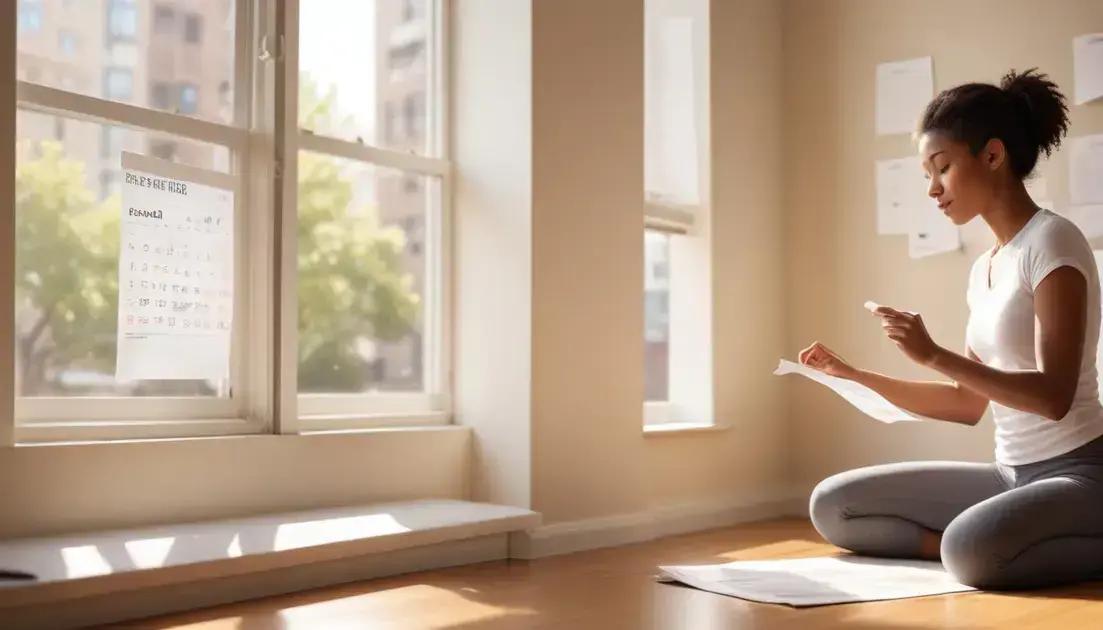
Lifestyle trends in fitness and wellness have pushed simple daily habits into the spotlight. Tiny routines can lift mood, lower stress, and fit into any busy day.
These micro-routines are easy to try and often stack well with existing tasks like commuting or coffee breaks.
Micro habits to start in minutes
Choose small actions that take under five minutes. They should be simple, repeatable, and tied to a daily cue, such as finishing a meeting or waking up.
Examples of quick routines that work
Pick moves that calm the mind and move the body a little. Gentle movement and breath practices fit most schedules and need no special gear.
- Two-minute breathing exercise after a stressful call to lower heart rate.
- Three gentle stretches when you wake to ease stiffness and boost focus.
- One-minute posture check with a short walk after sitting for an hour.
- Daily mood note in a phone app or paper journal to spot patterns.
Habit stacking makes micro-routines stick. Link a new habit to an old one: after you brush your teeth, do two minutes of mindful breathing. After lunch, take a short walk around the block. These small links reduce friction and help the habit become automatic.
Use reminders that feel natural. Set an alarm only if you need a nudge, or attach the practice to an existing signal like washing hands or closing a laptop. Keep the steps tiny so skipping feels more costly than doing them.
Tracking and social support
Simple tracking boosts consistency. A checkmark on a calendar or a note in an app creates momentum. Sharing goals with a friend or joining a small group adds accountability and makes habits more fun.
Micro-routines build resilience over time. When you practice short resets daily, you accumulate calm and clearer thinking. That helps on busy days and during stress.
To get started, pick one tiny habit, attach it to a cue, and do it for a week. Adjust as needed and add another small habit when the first feels natural. Over time, these tiny actions add up to real changes in wellbeing.
Digital tools, coaching and accessible mental health services
Lifestyle trends in fitness and wellness now rely on easy digital support, coaching, and more accessible mental health services to help people stay consistent. These tools make care feel practical and close.
From simple apps to virtual coaching, the goal is to tie mental health into daily movement and rest without extra stress.
Apps, wearables and quick checkpoints
Many apps offer short guided sessions, mood tracking, and gentle reminders. Wearables nudge users to breathe, move, or sleep better with simple signals.
- Guided breathing and short meditations built into workouts.
- Mood logs that sync with activity data to spot patterns.
- Sleep tracking that helps adjust training and recovery.
Coaching meets mental health care
Coaches often work with therapists or use basic mental health tools to support clients. That blend keeps plans realistic and safe.
Virtual coaching lets people meet a trainer or counselor from home. Sessions can be brief and focused on coping skills, not long therapy hours.
Privacy and clear boundaries matter. Good programs explain who handles mental health needs and when to refer to a licensed provider.
Affordable and accessible options
Workplace programs, sliding-scale clinics, and free community sessions broaden access. Many platforms offer low-cost group classes or pay-what-you-can options.
- Employer wellness perks that include mental health apps.
- Community centers offering low-cost mindful movement classes.
- Group coaching models that lower per-person cost.
- Free guided content from nonprofits and public health groups.
Integration is key: syncing app data, coach notes, and personal goals creates clearer plans. That helps people see how a short breathing break, a coach check-in, and a sleep change work together.
When choosing tools, look for simple interfaces, clear privacy policies, and options for human support. Small choices—like an app with short meditations and a coach who asks about mood—make sticking with routines easier.
Overall, combining digital tools, informed coaching, and low-barrier mental health services turns fitness into a more complete path to wellbeing. These options help people build steady habits that support both body and mind.
Workplaces and communities shaping supportive wellness cultures
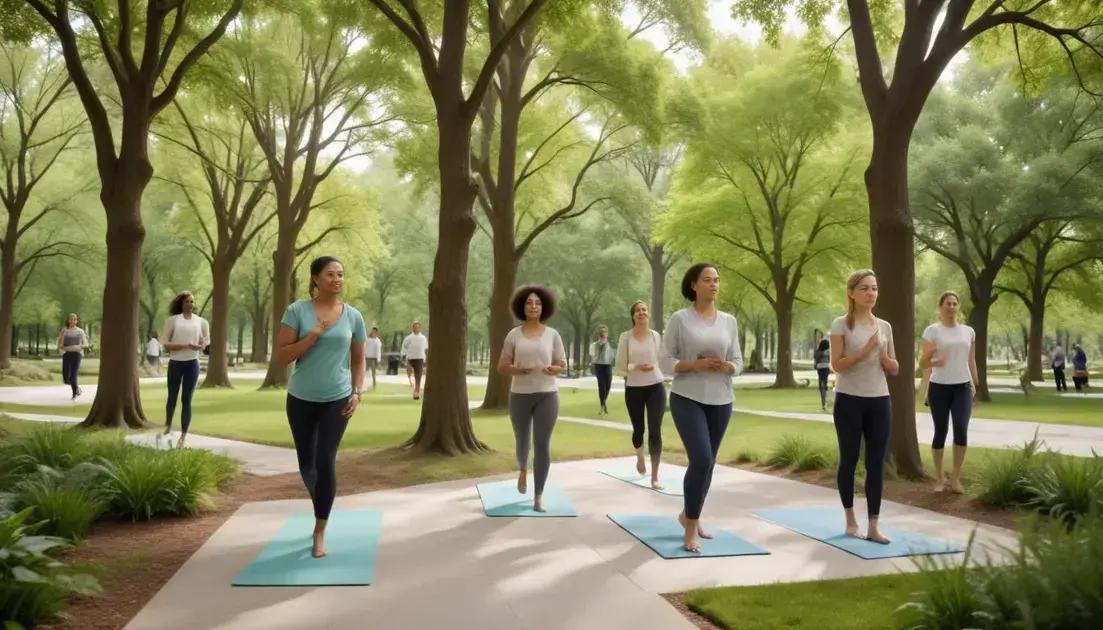
Workplaces and communities shaping supportive wellness cultures are changing how people access care and build healthy habits. Small shifts at work and in neighborhoods make mental health part of daily life.
These changes lower barriers, reduce stigma, and help people try simple practices during the workday.
Employer-led programs that make sense
Good programs focus on practical support, not just perks. Employers add short movement breaks, mental health days, and clear access to counseling.
- Flexible schedules and meeting-free blocks to reduce burnout.
- Onsite or virtual counseling and employee assistance programs (EAPs).
- Paid time for wellness activities and recovery when needed.
When leaders model these habits, teams feel safer to take breaks and try new routines. That small cultural change makes a big difference in daily stress.
Community networks and local resources
Neighborhood groups, parks, and community centers bring wellness closer to home. Free classes and peer groups help people join without pressure or cost.
Local events build social ties and encourage movement that supports mood. Shared spaces also offer easy spots for short walks or quick stretching breaks between commitments.
Designing spaces and rhythms for wellbeing
Simple design choices nudge healthier behavior. Quiet rooms, standing desks, and natural light help people feel calmer and more alert.
- Create a quiet corner for short meditations or breathing breaks.
- Offer walking meetings to mix movement with work tasks.
- Set clear norms: encourage breaks and respect offline time.
Small policy changes, like trimmed meeting times or optional exercise sessions, let people fit wellness into busy days. Combining workplace support with local community offers a full network for care.
Overall, building supportive wellness cultures across workplaces and communities turns one-off programs into steady habits. That network helps people keep both body and mind healthier over time.
In short, modern fitness and wellness trends make mental health part of everyday life. Small habits, digital tools, and workplace support work together to lower stress and build steady routines. Start with one tiny action and grow it over time for real and lasting benefits.
FAQ – Lifestyle Trends in Fitness and Wellness: Prioritizing Mental Health
Why should I focus on mental health alongside physical fitness?
Combining mental health with fitness reduces stress, improves sleep, and helps you stick to routines for long-term wellbeing.
What are easy micro-routines I can start today?
Try two-minute breathing after a call, a short walk after lunch, or three morning stretches to boost mood and energy.
Are mental health apps effective and safe to use?
Many apps offer short guided practices and tracking. Check privacy policies and choose apps with clear data rules and human support options.
How can workplaces support employee mental health through fitness?
Employers can add meeting-free blocks, walking meetings, brief wellness breaks, and offer access to counseling or low-cost group sessions.