Nutrition & Diet for Better Sleep: prioritize evening meals with lean protein, complex carbs, magnesium-rich foods and calming beverages; time large dinners 2–3 hours before bed, limit caffeine and alcohol, and follow consistent pre-sleep routines to improve sleep onset, depth, and overnight recovery.
Nutrition & Diet for Better Sleep can shift how you rest — ever noticed a late snack ruining your night? Here are practical foods, timing tips and tiny habits that may help you sleep and recover better.
How nutrition affects sleep biology and recovery
Nutrition & Diet for Better Sleep links what you eat to how well you rest and recover. Small food choices can change sleep quality within hours.
Here we explain the biology behind sleep and give simple, science-based food tips to support nightly recovery and steady energy.
How food guides your sleep cycle
Meals and snacks signal the brain about timing. Eating patterns affect the body clock, which sets when you feel sleepy and alert.
Key hormones and nutrients
Hormones like melatonin, cortisol and insulin respond to food. Carbohydrates, protein and minerals such as magnesium influence how fast you fall asleep and how deep that sleep is.
- Melatonin: made from tryptophan; small carb pairings can help its release.
- Cortisol: too high at night from stress or skipped meals can block sleep.
- Blood sugar: spikes or drops at night often cause awakenings.
- Magnesium and calcium: support muscle relaxation and calmer sleep cycles.
Meal timing matters. Large, heavy dinners close to bedtime can delay sleep onset and fragment deep stages. Aim to finish big meals 2–3 hours before bed.
Hydration is helpful but limit large fluid amounts at night to avoid bathroom trips. Caffeine and alcohol can change sleep architecture even if you fall asleep.
Nutrition that supports recovery
During sleep the body repairs tissues and consolidates memory. Protein and key vitamins help rebuild muscle and support immune recovery while you rest.
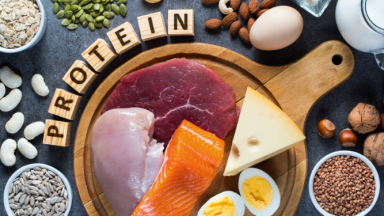
- Lean protein (fish, yogurt, turkey) supplies amino acids for repair.
- Complex carbs (oats, sweet potato) can aid serotonin and stable blood sugar.
- Healthy fats (walnuts, chia) reduce inflammation and support sustained energy.
Consistent meal patterns and balanced plates tune your internal clock. Small, regular changes to what and when you eat make deep, restorative sleep more likely.
In short, nutrition affects sleep through hormones, blood sugar and repair needs; practical choices and better timing can improve both rest and recovery.
Top foods and drinks that promote restful sleep
Nutrition & Diet for Better Sleep includes simple foods and drinks that help you relax and recover at night. Small swaps can make falling asleep and staying asleep easier.
Below are practical options to try, why they work, and how to use them without upsetting your stomach or sleep schedule.
Top sleep-friendly foods
Choose whole, minimally processed items that provide sleep-building nutrients. These foods are easy to add to meals or snacks.
- Turkey, chicken, and yogurt: rich in tryptophan, an amino acid that helps make melatonin and serotonin.
- Berries and tart cherries: contain natural melatonin and antioxidants that support recovery.
- Oats and whole grains: complex carbs that help tryptophan reach the brain and steady blood sugar.
- Nuts and seeds (almonds, walnuts, pumpkin seeds): provide magnesium and healthy fats for muscle relaxation.
These choices pair well. For example, a small bowl of oats with yogurt and berries gives carbs plus protein, which can ease sleep onset without a heavy meal.
Drinks that promote calm sleep
Pick warm, low-caffeine beverages in the evening. Avoid sugary or alcoholic drinks close to bedtime.
- Chamomile or lemon balm tea: soothing herbal options that may lower anxiety and help you unwind.
- Tart cherry juice (small glass): a natural source of melatonin that some people find helpful.
- Warm milk or kefir: contains tryptophan and a comforting routine for bedtime.
Limit fluids right before bed to reduce overnight awakenings. If you try tart cherry juice, keep the portion small to avoid extra sugar.
Think about timing and portion size. A light snack with protein and a few carbs 60–90 minutes before bed can help if you wake hungry at night. Large, spicy, or heavy foods can delay sleep and cause discomfort.
Combine food choices with calm routines: dim lights, gentle movement, and a warm drink can cue your body that it is time to rest. Consistency helps your internal clock link those cues to sleep.
With simple swaps—lean protein, whole grains, healthy fats, and calming drinks—you can support recovery and deeper rest without dramatic diet changes.
Timing, portions and evening routines that improve rest
Nutrition & Diet for Better Sleep improves when you match meal timing and portions to your sleep schedule. Small, steady habits can ease falling asleep and lower night wakings.
This section gives clear tips on timing, sensible portions, and simple evening routines that help rest and recovery.
Meal timing that supports sleep
Finish large meals 2–3 hours before bed to reduce digestion-related wakefulness. A light snack 60–90 minutes before sleep can stop hunger without causing discomfort.
- Set a regular dinner time to stabilize your internal clock.
- Avoid heavy, spicy, or very fatty foods close to bedtime.
- Keep caffeine out of the afternoon and evening; its effects can last 6–8 hours.
Eating at consistent times helps your body predict fuel needs and hormone cycles. That predictability makes it easier to fall asleep when you want to.
Portion control and food choices
Portion size matters more than strict dieting for sleep. Large portions can raise body temperature and trigger indigestion, both of which fragment sleep.
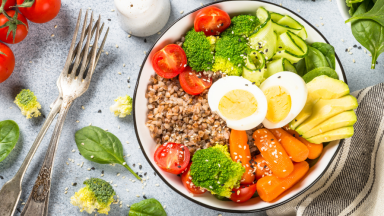
Choose a balanced plate: lean protein, a small portion of complex carbs, and vegetables or salad. This mix supports steady blood sugar and supplies amino acids for repair.
- Light dinner example: grilled fish, a small sweet potato, and steamed greens.
- Bedtime snack idea: yogurt with a few almonds or a banana with peanut butter.
- Watch added sugars late at night; they can cause rebounds in energy and wakefulness.
Hydration is important but limit large drinks right before bed to avoid bathroom trips. Sip fluids earlier in the evening instead.
Evening routines that cue rest
Pair food habits with a calming pre-sleep routine. Dim lights, a warm drink, and quiet activities signal your brain to wind down.
- Have a small, comforting drink like chamomile tea 30–60 minutes before bed.
- Lower screen brightness and avoid heavy mental tasks after dinner.
- Do gentle movement or stretching to ease tension before getting into bed.
Consistency is key. When timing, portions, and evening routines repeat nightly, your body learns to enter deeper, more restorative sleep.
Adjust these tips to your schedule and needs. Small, steady changes to when and how much you eat, combined with calming evening habits, can improve sleep quality and support overnight recovery.
Practical meal plans and snack ideas for better nights
Nutrition & Diet for Better Sleep works best with simple, practical meals you can repeat. Small, balanced choices at dinner and smart snacks help you rest and recover.
Below are easy weekly meal ideas, portion tips, and snack swaps you can use tonight — no strict rules, just workable options.
Sample evening meal plans
Keep dinners light but satisfying. Aim for a palm-sized protein, a cupped portion of complex carbs, and plenty of vegetables.
- Calm night: baked salmon, small sweet potato, steamed broccoli — light and rich in omega-3s.
- Recovery night: grilled turkey, quinoa, sautéed spinach — protein for repair and iron for energy balance.
- Plant-forward night: lentil stew with brown rice and a side salad — fiber and steady carbs.
Bedtime snack ideas that aid sleep
Choose snacks with a mix of protein and carbs or foods that contain sleep-supporting nutrients. Keep portions small to avoid discomfort.
- Greek yogurt with a few sliced almonds and honey (small spoon).
- Banana with a teaspoon of peanut butter.
- Oatmeal made with milk and a sprinkle of walnuts.
- Small glass of tart cherry juice or a cup of chamomile tea.
Timing matters: eat a light snack 60–90 minutes before bed if you feel hungry. This helps prevent blood sugar dips that can wake you up.
For portions, favor smaller plates and mind cues of fullness. If a meal leaves you very full, next time reduce the carb portion and add more greens or lean protein.
Weekly plan template and swaps
Use a simple template: three balanced dinners, two lighter nights, and two flexible nights for leftovers or social meals. Swap freely based on what you like and tolerate.
- Swap white bread for whole-grain toast to steady blood sugar.
- Replace late-night sweets with fruit plus a few nuts.
- If caffeine affects you, choose herbal tea after mid-afternoon.
Small routines help: prepare one sleep-friendly meal in advance, pack a small snack for later, and keep evening drinks low in sugar. These steps make it easier to stick to better habits.
Use these practical meal plans and snack ideas as a starting point. Adjust portions, timing, and foods to your needs to support nightly rest and daytime recovery.
Small, steady changes to your nutrition and evening habits can make sleep deeper and recovery easier. Focus on sleep-friendly foods, sensible portions, and consistent timing. Try a few simple swaps and a calming pre-bed routine, then stick with what works for you.
FAQ – Nutrition & Diet for Better Sleep
Which foods help me fall asleep faster?
Choose foods with tryptophan, magnesium, or melatonin precursors like turkey, yogurt, oats, cherries, nuts, and seeds.
When should I eat my last big meal?
Finish large dinners 2–3 hours before bed; a light snack 60–90 minutes before sleep can prevent hunger without disrupting rest.
Are there drinks that improve sleep?
Yes—chamomile tea, warm milk or kefir, and a small glass of tart cherry juice may promote calm and support melatonin production.
How do caffeine and alcohol affect sleep?
Avoid caffeine after mid-afternoon—its effects can last 6–8 hours. Alcohol may help you fall asleep but fragments deep sleep and reduces recovery.