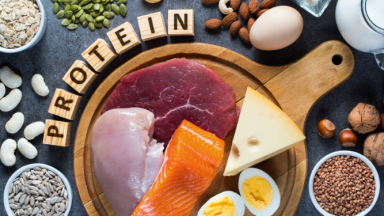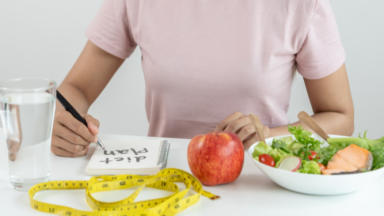
Nutrition & Diet Guide 2026: Foods That Improve Gut Health and Energy Levels recommends daily fermented foods, fiber-rich whole grains, legumes, prebiotic fruits, lean protein and healthy fats, plus regular meal timing and smart snacks to stabilize digestion and sustain steady energy; seek medical advice for severe or persistent symptoms.
Nutrition & Diet Guide 2026: Foods That Improve Gut Health and Energy Levels brings practical swaps and recipes to help you feel less bloated and more alert. Curious which foods actually support digestion and boost your daily energy? This guide points to realistic choices you can try tomorrow.
Top foods that improve gut health and raise energy
Top foods that improve gut health and raise energy are easy to add to meals and can cut bloating while boosting focus. Small, daily swaps often bring the fastest benefits.
Try one new item this week and notice how your digestion and energy change.
Fermented foods and probiotics
Fermented foods add friendly bacteria that help break down food and support a balanced gut. They are simple to include at breakfast or as a side.
- Yogurt with live cultures supports digestion and adds protein for steady energy.
- Kefir is a drinkable probiotic with a mix of beneficial strains.
- Sauerkraut and kimchi add fiber and probiotics in small servings.
- Tempeh is a fermented soy option that brings both probiotics and plant protein.
Start with a spoonful of sauerkraut or a small cup of yogurt after a meal. These foods work best when eaten regularly, not just occasionally.
Fiber-rich whole foods
Fiber feeds good bacteria and slows sugar spikes, which helps you feel full and alert longer. Focus on a mix of soluble and insoluble fiber each day.
- Oats for breakfast provide slow-release energy and soluble fiber.
- Legumes like lentils and beans keep blood sugar steady and support gut bacteria.
- Whole grains, such as brown rice and quinoa, add texture and lasting fuel.
Pair fiber with a protein or healthy fat to prevent mid-day crashes. A bowl of oats with nuts or a salad with chickpeas are quick, balanced options.
Hydration helps fiber move through the gut, so aim for regular water intake alongside high-fiber meals.
Prebiotics, berries and quick energy boosters
Prebiotics are fibers that feed good bacteria. Simple choices can fit into snacks or smoothies.
- Bananas (slightly underripe) feed gut microbes and provide fast carbs for energy.
- Garlic and onions act as natural prebiotics in cooked meals.
- Berries add antioxidants, fiber, and a gentle energy lift without a sugar crash.
Mix berries into yogurt or oats for a gut-friendly, energizing snack. Small amounts of garlic in a dressing help both taste and digestion.
Also include healthy fats like avocado and olive oil, and lean proteins such as fish or eggs, to keep energy steady through the day.
In short, combining fermented foods, fiber-rich choices, prebiotics, and balanced proteins and fats supports a calmer gut and more reliable energy. Try simple swaps and build habits that last.
How to structure meals and snacks for steady energy
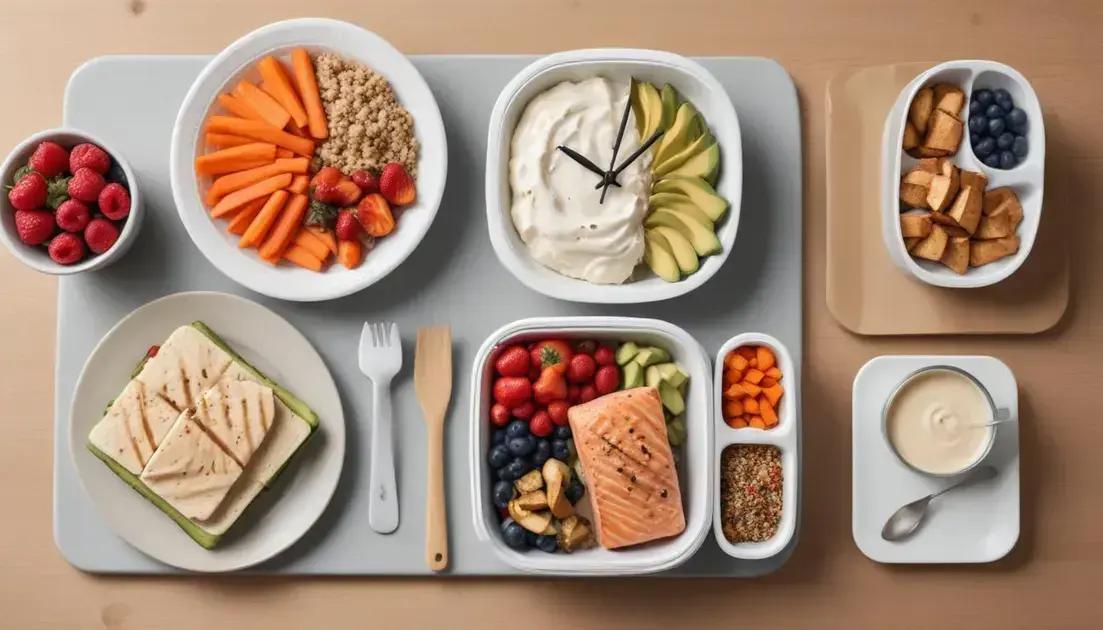
Nutrition & Diet Guide 2026: Foods That Improve Gut Health and Energy Levels shows how simple meal and snack choices keep you alert and help digestion. Small changes in timing and balance can cut energy crashes.
Use easy swaps and clear combos to feel steady all day without complex rules.
Aim for balanced plates every meal
Each meal should mix protein, fiber-rich carbs, and healthy fats. This slows digestion and keeps energy steady.
- Protein: eggs, fish, lean chicken, or plant proteins like beans and tofu.
- Fiber-rich carbs: oats, quinoa, sweet potato, whole grains.
- Healthy fats: avocado, olive oil, nuts or seeds to add satiety.
Portion examples help: a fist-sized carb, a palm of protein, and a thumb of fat. Small portions work for snacks too.
Drink water with meals to help fiber move and avoid quick sugar spikes from dry carbs.
Timing and meal patterns that prevent crashes
Most people do well with three meals and one to two snacks. Keep gaps around 3–4 hours to avoid low-energy slumps.
If you exercise, eat a small protein-and-carb snack before or after to aid recovery and maintain energy.
- Morning: a balanced breakfast with protein and fiber to start steady.
- Midday: a lunch with vegetables, whole grains, and protein to sustain focus.
- Afternoon: a smart snack to prevent overeating at dinner.
Regular timing trains your appetite and helps gut rhythms, which supports digestion and alertness.
Choose low-glycemic carbs to avoid quick blood sugar rises and falls. Combine fruit with protein or fat to smooth the energy response.
Smart snack combos that support gut and energy
Snacks should be mini-meals: include at least two food groups. Aim for protein plus fiber or fat.
- Greek yogurt with berries and seeds — probiotics, fiber, and protein.
- Apple slices with nut butter — fiber and healthy fat for slow energy.
- Hummus with carrot sticks — plant protein and fiber to satisfy.
- A small handful of nuts with a piece of fruit — quick but lasting fuel.
Prep snacks in portions so you reach for them instead of sugary options. Keep a water bottle nearby to pair with snacks.
Include fermented foods or a spoon of kefir with snacks when possible to help the gut microbiome.
Plan meals and prep simple ingredients on a weekend. Cook grains, roast vegetables, and portion proteins so building balanced meals is fast.
Sample 7-day meal plan and quick recipes
Nutrition & Diet Guide 2026: Foods That Improve Gut Health and Energy Levels offers a clear 7-day plan with easy swaps and fast recipes you can follow all week. The idea is simple: balance each meal to support your gut and steady your energy.
Use the templates below to mix and match meals, or repeat favorites for an easy routine.
Weekly structure made simple
The week follows a rhythm: balanced breakfasts, fiber-rich lunches, protein-forward dinners, and smart snacks. Aim to include fermented foods or prebiotics at least once per day.
- Rotate three meal templates: plant-forward, fish/lean protein, and grain + legume days.
- Plan two fermented-food servings across the day, such as yogurt or kimchi.
- Include one batch-cook meal to save time midweek.
By repeating templates, you cover variety without stress. Swap ingredients to suit taste and season.
A sample daily template: breakfast with protein and fiber, lunch with vegetables and whole grains, an afternoon snack with fat and fiber, and a light protein-rich dinner. Keep portions moderate and hydrate throughout the day.
Quick 7-day sample (mix and match)
Below is a flexible sample you can adapt. Each line shows Breakfast • Lunch • Snack • Dinner. Adjust portions and swap similar foods.
- Day 1: Greek yogurt with berries • quinoa salad with chickpeas • apple + nut butter • baked salmon, roasted broccoli.
- Day 2: Oat bowl with banana and seeds • lentil soup + whole-grain toast • carrot sticks + hummus • stir-fry tofu with brown rice.
- Day 3: Smoothie with kefir, spinach, berries • turkey wrap with whole grain • handful of nuts + pear • baked sweet potato, grilled chicken.
Use leftovers for Day 4 and repeat favorite combos on Days 5–7. This reduces food waste and prep time while keeping meals varied enough for gut-supporting nutrients.
Small swaps keep the plan interesting: swap salmon for mackerel, oats for buckwheat, or yogurt for kefir. The key is consistency, not perfection.
Quick recipes for busy days
These recipes take about 5–15 minutes and fit the weekly plan. They combine gut-friendly ingredients with protein and healthy fats.
- Yogurt berry bowl: plain Greek yogurt, mixed berries, 1 tbsp chia seeds, drizzle of honey. Stir and serve.
- Chickpea quinoa salad: cooked quinoa, canned chickpeas, chopped cucumber, lemon, olive oil, salt. Toss and chill.
- Quick kefir smoothie: kefir, frozen berries, 1 small banana, 1 tbsp nut butter. Blend until smooth.
- Hummus veggie pack: hummus, sliced carrots, cucumber, and whole-grain crackers. Portion into a to-go container.
Batch-cook tip: make a pot of lentils or roasted vegetables on the weekend to combine with grains and greens all week. Store in clear containers for visible choices.
To keep energy steady, pair carbs with protein or fat at every meal. For gut health, add a fermented food or prebiotic-rich vegetable daily.
Prep simple staples—grains, roasted veg, cooked beans—and assemble fresh plates each day to save time and maintain variety.
Follow this plan for a week, note how your digestion and energy feel, and tweak foods that work best for you.
Lifestyle tips, supplements and when to seek help
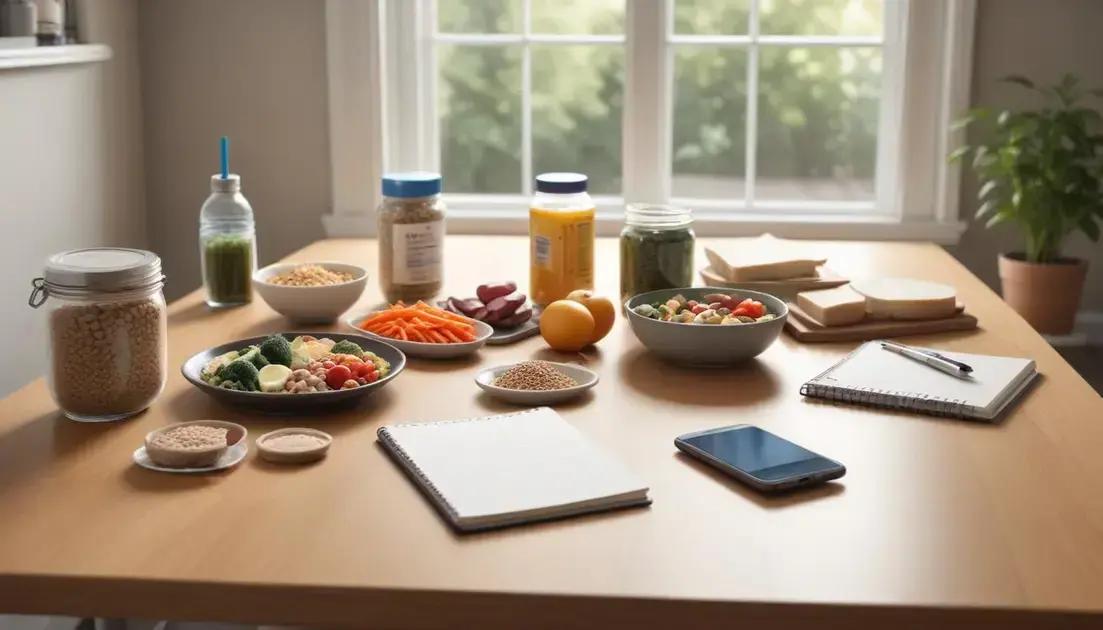
Nutrition & Diet Guide 2026: Foods That Improve Gut Health and Energy Levels highlights simple lifestyle shifts, smart supplement choices, and clear signs to get help. These steps make gut comfort and steady energy easier to reach.
Small habits add up. Try one change this week and watch how your digestion and focus respond.
Daily habits that support gut and energy
Consistent routines tune your gut and keep blood sugar stable. Tiny changes often matter more than big overhauls.
- Sleep: aim for 7–9 hours to help digestion and repair.
- Hydration: sip water through the day to help fiber and enzymes work.
- Movement: a short walk after meals aids digestion and prevents sluggishness.
- Mindful eating: eat slowly, chew well, and stop when you feel satisfied.
Keep meals regular and avoid long gaps. This supports steady energy and helps the gut settle into a healthy rhythm.
Reduce late-night heavy meals and limit high-sugar snacks that can cause quick crashes. Small portions and balanced plates help you stay alert without overeating.
Practical stress, screen and sleep tips
Stress and screens can make digestion worse. Quiet habits before bed help both sleep and gut health.
Try a 10-minute breathing break, dim lights an hour before bed, and set phone-free times around meals. These moves often reduce bloating and improve rest.
Even brief daily routines—stretching, a calm walk, or deep breaths—can lower stress and protect gut balance over time.
Supplements that may help (use with care)
Food should come first, but some supplements can support a healthy gut and steady energy when used correctly.
- Probiotics: certain strains ease bloating and support digestion; start with low doses and monitor effects.
- Fiber supplements (psyllium or inulin): useful if you can’t get enough fiber from food, increase slowly to avoid gas.
- Vitamin D and magnesium: common low levels may affect energy and sleep; check with a clinician before starting.
- Omega-3: supports overall inflammation balance and may aid energy in some people.
Always choose quality brands and check for third-party testing. Supplements can interact with medications, so consult your provider if you take prescriptions.
Start one supplement at a time for a few weeks. Note any changes in digestion, mood, or sleep and stop if you have adverse effects.
When to seek professional help
Most gut issues improve with diet and habits, but some signs need medical or specialist attention.
- Severe or sudden abdominal pain that won’t ease.
- Unexplained weight loss or blood in stool.
- Persistent diarrhea, vomiting, or signs of dehydration.
- Chronic fatigue that does not improve with rest or diet changes.
If symptoms are strong or long-lasting, see your primary care provider. Ask for tests or a referral to a gastroenterologist or a registered dietitian when needed. A professional can check for conditions like infections, food intolerances, or nutrient gaps.
Combine practical habits, cautious supplement use, and timely medical advice to protect your gut and keep your energy steady. Small, consistent steps often give the clearest results.
Small, steady changes to meals, snacks, and daily habits can ease digestion and raise your energy. Focus on balanced plates, regular timing, fermented foods, and simple prep. Try one small swap this week and track how you feel.
FAQ – Nutrition & Diet Guide 2026: Gut health & energy
What foods help gut health and boost energy?
Focus on fermented foods (yogurt, kefir, kimchi), fiber-rich foods (oats, legumes, whole grains), berries, bananas, healthy fats, and lean protein for steady energy.
How should I structure meals to avoid energy crashes?
Build each meal with protein + fiber-rich carbs + healthy fat, eat every 3–4 hours, include a smart snack, and stay hydrated to keep energy even.
Are probiotics or supplements necessary?
Food first. Probiotics can help some people—start low and monitor effects. Use fiber or vitamin supplements only if needed and after checking with a clinician.
When should I seek medical help for gut or energy problems?
See a provider for severe abdominal pain, blood in stool, unexplained weight loss, persistent vomiting/diarrhea, dehydration, or chronic fatigue that won’t improve.