Nutrition & Diet Tips: How to Build Healthy Eating Habits Without Restrictive Diets recommends small, consistent changes—balanced plates, habit stacks, smart shopping and planned treats—to improve nutrition, reduce cravings, and create sustainable routines that fit real life without strict bans.
Nutrition & Diet Tips: How to Build Healthy Eating Habits Without Restrictive Diets offers simple, realistic ways to eat better without punishing rules. Curious how tiny swaps and steady routines can reshape your meals and mood? Stick around for practical examples you can try this week.
why restrictive diets fail and how to shift your mindset
Understanding why restrictive diets fail helps you rethink food rules in a kinder, more useful way.
This section offers practical mindset shifts to build healthy eating habits that stick without strict bans.
Why restriction often backfires
Cutting out many foods can make cravings stronger. The body signals hunger and the mind fixates on forbidden items. That mix often leads to bingeing or giving up.
Also, strict rules make normal social meals stressful. People skip events or eat in secret, which harms long-term consistency.
Common patterns to watch for
Small, repeating thoughts create big habits. All-or-nothing thinking (“I blew it, so I might as well quit”) is a key pattern. It’s easier to change a thought than to change a whole diet overnight.
- Short-term fixes often cause weight regain because they ignore real habits.
- Labeling foods as “good” or “bad” raises shame and secret eating.
- Relying on willpower alone is tiring and hard to sustain.
Shift the focus from strict limits to steady wins. Instead of removing foods, try adding a fruit or vegetable to one meal each day. Small additions reduce the feeling of loss and improve nutrition.
Try experiments, not vows. Test a change for a week and notice how you feel. This low-pressure approach builds confidence and gives clear feedback without the stress of perfection.
Practical mindset shifts you can use now
Swap “I can’t have that” for “I choose this most days.” That small wording change lowers tension and keeps you flexible.
Plan for treats so they are part of the plan, not proof of failure. This reduces bingeing and keeps social life normal.
- Focus on adding protein, fiber, and veggies rather than cutting entire food groups.
- Use simple rules like “half my plate is plants” to guide meals without strict bans.
- Keep a short habit log to track wins, not sins—three wins a week matters more than one perfect day.
Over time, small, repeatable choices form real healthy eating habits. The goal is steady progress, not perfection.
Start with one tiny change this week and notice how your mood and energy respond. Those small shifts make lasting change more likely than any restrictive plan.
building balanced plates: simple meal frameworks
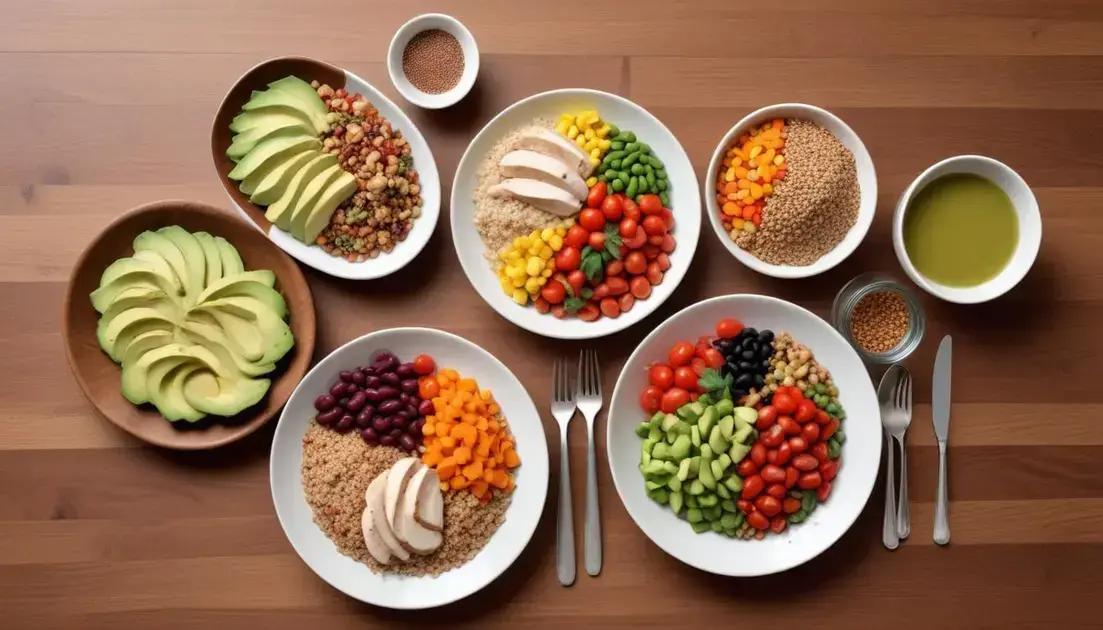
Building a balanced plate is a simple way to support healthy eating habits without strict rules. Small, repeatable choices at each meal add up over time.
Use easy frameworks that fit your schedule and taste. These patterns make good nutrition realistic and calm.
The simple plate rule
Fill half your plate with vegetables and fruits. Make a quarter lean protein and a quarter whole grains or starchy vegetables.</p
This visual guide helps you combine fiber, protein, and carbs in one meal for steady energy and satisfaction.
- Vegetables: leafy greens, roasted carrots, bell peppers.
- Proteins: beans, fish, chicken, tofu.
- Whole grains: brown rice, quinoa, whole-wheat pasta.
- Healthy fats: olive oil, avocado, a small handful of nuts.
For sauces and dressings, choose lighter options and use them to add flavor, not hide vegetables. Simple swaps keep meals tasty and balanced.
Meal frameworks by time of day
Breakfast can be a grain plus protein and fruit. Think oatmeal with nut butter and berries or eggs with whole-grain toast and tomato.
Lunch works well as a bowl: greens, a grain, a protein, and a dressing. Bowls are fast and flexible for leftovers.
Dinner follows the half-plate rule too. Aim for a colorful vegetable side, a modest protein portion, and a whole-grain or starchy veg.
Easy portions and variety tips
Rotate foods weekly to cover more nutrients. Variety keeps meals interesting and reduces the urge to binge on restricted items.
Use simple portion cues: a fist for carbs, a palm for protein, two cupped hands for veggies. These tricks are practical and portable.
- Plan one plant-forward meal each day to boost fiber and vitamins.
- Prep a batch of grains or roast vegetables to speed meals.
- Keep quick proteins ready: canned beans, cooked chicken, or eggs.
Adopting these plate frameworks supports Nutrition & Diet Tips that are flexible and sustainable. Focus on steady wins: consistent, balanced meals beat occasional extremes.
habits and routines: small changes that actually stick
Small routines beat big promises when building healthy eating habits. Tiny, repeatable actions fit daily life and grow over time.
This section shows simple habit strategies you can use today, with clear steps and easy tracking ideas.
Start tiny and specific
Pick one tiny action you can do daily. The goal is consistency, not perfection.
For example, add one cup of vegetables to one meal or swap sugary drinks for water at lunch.
- Make the change so small it feels easy to do every day.
- Set a clear cue, like placing a bowl of fruit on the counter.
- Limit the habit to one minute at first to reduce resistance.
Anchor habits to what you already do
Attach a new habit to an existing routine, such as having a piece of fruit after brushing your teeth or a cup of tea after work.
This “habit stacking” links actions so the new habit rides on an established one.
Keep the sequence short and predictable to help your brain form the connection.
Use a visual cue or a simple checklist to remind yourself during the first weeks.
Design your environment for success
Small changes to your space make healthy choices easier. Put prepped veggies at eye level and keep treats in harder-to-reach places.
- Prep snacks in clear containers for quick access.
- Place water bottles where you sit most often.
- Keep one go-to quick protein ready in the fridge.
These tweaks reduce decision fatigue and help maintain steady progress without relying on willpower alone.
Track habits in a simple way: a one-line note, a sticker on a calendar, or a brief app check. Focus on wins, not slips.
Allow planned flexibility: schedule small treats so they don’t feel forbidden. When treats are part of the plan, you avoid the all-or-nothing trap.
Be patient. Tiny habits compound: after a few weeks, small actions feel automatic and lead to real change in energy, mood, and how you approach food.
smart grocery shopping and planning for busy schedules

Nutrition & Diet Tips for busy people start with smart shopping and simple plans. Small prep steps save time and stress.
These ideas help you keep healthy eating habits even on the busiest days.
Set a fast weekly plan
Pick three meals to repeat or vary slightly through the week. Repeating reduces decision time and saves mental energy.
Write a short list of staples you need for those meals and check what you already have before you shop.
Build a smart shopping list
Group items by store area so trips are faster and you avoid impulse buys. Use simple categories: produce, proteins, grains, and snacks.
- Start with vegetables and fruits you enjoy; they form the base of many meals.
- Add quick proteins like canned beans, eggs, or rotisserie chicken.
- Choose a few whole grains that cook quickly: quinoa, quick oats, or whole-wheat pasta.
Keep a running list on your phone so you can add items as you run out. That cuts repeat trips and waste.
Prep once, eat faster
Spend 30–60 minutes once or twice a week chopping vegetables, cooking grains, and portioning proteins. Stored parts make assembly fast on busy nights.
Use clear containers so you see what’s ready. Frozen veggies and pre-washed greens are great time-savers and still nutritious.
Leftovers can be repurposed into bowls, wraps, or salads to avoid extra cooking.
Quick choices for variable schedules
Keep a few go-to meals for rushed days: a grain bowl, an omelet with veggies, or a hearty salad with canned tuna or beans.
- Stock single-serve healthy snacks: nuts, yogurt, or fruit for fast energy.
- Use multi-purpose staples: a cooked grain can be breakfast, lunch, or dinner.
- Plan one flexible “free” meal so you don’t feel deprived and avoid last-minute takeout.
These methods make grocery shopping and meal planning fit a busy life without strict rules. Focus on small, useful systems that support steady healthy eating habits rather than perfection.
Small, steady actions beat strict rules. Focus on tiny, repeatable habits, balanced plates, and simple planning. Over time these choices build real healthy eating habits and make food less stressful.
FAQ – Nutrition & Diet Tips: How to Build Healthy Eating Habits Without Restrictive Diets
Do restrictive diets work long-term?
Most restrictive diets are hard to keep and often lead to yo-yo eating. Small, realistic changes are more sustainable and less stressful.
How can I build healthy habits that actually stick?
Start tiny and specific, attach new actions to existing routines, and track small wins. Consistency beats perfection.
What is an easy way to make a balanced plate?
Aim for half the plate veggies and fruit, one quarter protein, and one quarter whole grains. Simple visuals guide quick choices.
How can I shop and plan when I’m very busy?
Make a short weekly plan, group your shopping list by store area, prep staples once or twice a week, and keep quick proteins and frozen veggies on hand.