Anúncios
Nutrition & Diet: How to Build a Balanced Plate Without Following a Restrictive Diet — build meals with half vegetables, a quarter lean protein, a quarter whole grains, plus a small amount of healthy fat; use simple swaps, portion cues, and meal patterns to keep energy steady and eating sustainable.
Nutrition & Diet: How to Build a Balanced Plate Without Following a Restrictive Diet brings practical ideas to mix veggies, proteins and carbs so you feel nourished—not deprived. Want quick swaps you can try tonight?
What a balanced plate really looks like
Nutrition & Diet ideas help show what a balanced plate looks like in real meals. Simple swaps and clear portions make healthy choices easy and lasting.
A balanced plate mixes vegetables, protein, whole grains, and some healthy fat so you get steady energy and feel full.
Anúncios
Plate sections and simple proportions
Think of your plate in three parts. Half the plate is vegetables and fruits. One quarter is lean protein. One quarter is whole grains or starchy vegetables.
These proportions help you get vitamins, fiber, and protein without strict rules. Use visual cues like a fist, palm, or thumb to estimate portions.
Anúncios
Key food groups and why they matter
Each group plays a role for health and satiety. Aim for color and variety.
- Vegetables and fruits: high in fiber and nutrients; fill half your plate when possible.
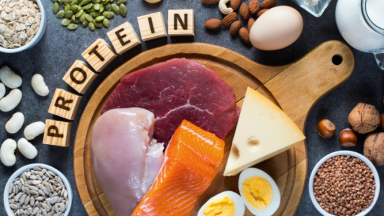
- Lean protein: supports muscles and keeps you full; choose beans, fish, poultry, or eggs.
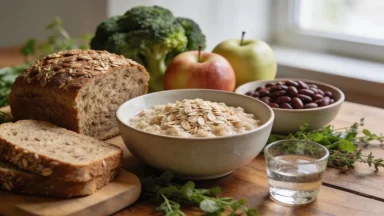
- Whole grains and starchy vegetables: provide steady energy; pick brown rice, quinoa, or sweet potato.
- Healthy fats: a small amount helps absorption and flavor; think olive oil, avocado, or nuts.
Portion size can change with your activity and age. If you exercise more, add a bit more whole grain or protein. If you want to lose weight, keep an eye on starchy portions and add more vegetables.
Mix flavors and textures to stay satisfied. Roast vegetables for sweetness, add a tangy dressing, or spice proteins to keep meals interesting without extra rules.
Simple swaps make a big difference. Swap white rice for cauliflower rice sometimes. Replace fried items with grilled or baked versions. Add a salad or steamed greens to boost volume and nutrients.
Meals can be flexible. A bowl, a plate, or a wrap can all hold a balanced plate when the parts are in the right ratio. This approach fits picky eaters, busy schedules, and different cuisines.
Avoid strict rules that make food feel off-limits. Instead, use the balanced plate idea as a guide to build meals that satisfy your body and your taste.
How to combine foods for steady energy
Nutrition & Diet tips on how to combine foods help you keep steady energy without strict rules. Small mixes of carbs, protein, and fat change how you feel.
These ideas fit busy days and simple meals. Use them to build a practical balanced plate that fuels work, school, or workouts.
Pair carbs with protein and healthy fat
Combine a starchy food with protein and a little fat to slow digestion. This reduces spikes and crashes.
Examples are easy to make and taste good.
- Eggs + whole grain toast + avocado: stable morning energy.
- Greek yogurt + berries + nuts: a creamy, filling snack.
- Beans + brown rice + salsa: plant protein with lasting carbs.
- Grilled chicken + sweet potato + greens: a balanced dinner choice.
Keep portions simple: half the plate non-starchy veggies, one quarter protein, one quarter whole grains or starchy veg. Add a small amount of healthy fat for taste and nutrient absorption.
Use fiber, color, and timing to your advantage
Fiber from vegetables, fruits, and whole grains slows sugar absorption and keeps hunger away longer.
Eat colorful veggies at each meal to boost vitamins and fiber without extra calories.
Space meals every 3–4 hours if you need more steady fuel. Small snacks that follow the same pairing rule work well.
Hydration matters. Thirst can feel like fatigue. Drink water through the day and limit sugary drinks that cause energy dips.
Keep caffeine moderate. A small cup of coffee can help focus, but too much may lead to crashes later.
Make swaps to improve snacks: choose whole fruit over juice, air-popped popcorn over chips, or hummus with veggies instead of crackers.
Simple rules to build meals fast
Use quick checks when you cook or order food. Ask: is there protein? Is half the plate veggies? Is the grain whole?
These quick checks help you eat for steady energy without overthinking meals.
Mix and match foods from different cultures to keep meals fun and sustainable. The same rules apply whether it’s a bowl, sandwich, or plate.
Adapting portions to your activity level makes the plan flexible. More active days may need more carbs or protein. Rest days may need less starchy food and more vegetables.
Using these pairing ideas keeps food varied, satisfying, and reliable. Small, consistent changes add up over time.
Portion hacks and simple swaps for every meal
Nutrition & Diet tips make portion control simple and flexible. Small, practical hacks let you build a balanced plate without rigid rules.
These ideas fit busy days and different tastes — use visual cues and easy swaps to make meals healthier and more satisfying.
Portion tricks you can use now
Visual cues save time and guesswork. Use your hand or common objects to estimate portions.
- Palm: a palm-sized serving of protein (meat, fish, tofu).
- Fist: a fist of vegetables or salad to fill half the plate.
- Cupped hand: one cupped hand of whole grains or starchy veg.
- Thumb: a thumb-sized portion of healthy fats like nut butter or oil.
These simple measures work anywhere — home, office, or restaurants — and keep your balanced plate consistent.
Swap bowls and plates to influence portions. A smaller plate makes servings look fuller while a larger plate can encourage overeating. Try a salad plate for starters and a dinner plate for main meals.
Easy swaps to cut calories and boost nutrients
Small changes keep flavor but shift nutrition. Replace refined carbs and fried foods with whole or baked options.
- Choose brown rice or quinoa instead of white rice.
- Pick grilled or baked proteins versus fried versions.
- Use Greek yogurt in place of sour cream.
- Swap chips for air-popped popcorn or raw veggies with hummus.
These swaps lower empty calories and raise fiber or protein, helping you feel fuller longer. You can still enjoy favorite flavors with lighter techniques and simple ingredient switches.
Another hack is to boost the volume of meals with low-calorie vegetables. Add extra greens to soups, stir-fries, and sandwiches to naturally reduce the starchy portion without losing satisfaction.
For desserts, try fruit with a sprinkle of cinnamon or a small portion of dark chocolate instead of heavy pastries. Gradual swaps keep meals enjoyable and sustainable.
Meal timing and portioning strategies
Plan portions around your day. If you have a long workout, add more whole grains or protein. On lighter activity days, favor vegetables and lean protein.
- Prep single-serve containers to control portions ahead of time.
- Serve family-style so people choose their portions mindfully.
- Pause before seconds — wait 10 minutes to see if you’re still hungry.
Hydrate before meals to avoid mistaking thirst for hunger. Small, balanced snacks that combine protein and fiber stop big energy swings between meals.
Using these hacks and swaps helps you create a reliable balanced plate every day, without strict rules or bland food.
Start with one or two changes per week. Over time, these small steps add up to better habits and steady results.
Meal plans that respect preferences without restriction
Nutrition & Diet can fit your tastes and life. A balanced plate works with simple, flexible meal plans that respect favorites and habits.
Focus on patterns, not perfection, so you keep meals enjoyable and easy to repeat.
Build a flexible weekly framework
Start with a basic plan: choose proteins, veggies, and grains you like. Rotate them across the week.
- Mix-and-match template: pick three proteins, three veggies, and two grains to combine.
- Theme nights: taco Tuesday, stir-fry Wednesday, grain bowl Friday for variety with less thinking.
- Batch basics: cook a grain and a protein once, reuse with different sauces or salads.
- Grocery swap list: note preferred alternatives for quick changes at the store.
These steps save time and keep meals within your comfort zone. You still hit the balanced plate targets without strict rules.
Honor food preferences and sensitivities by listing must-haves and no-gos. Use that list when you shop or order food, so choices stay simple.
Make meals fit your day, not the other way around
Match portions to activity: more carbs on active days, more veggies on rest days. That keeps energy steady.
Include small, planned treats so nothing feels forbidden. A treat does not break a plan—it makes it sustainable.
- Snack rule: pair protein and fiber, like apple + peanut butter, to stay full.
- Swap rule: trade fries for roasted veg or add a side salad.
- Quick fix: frozen veg and canned beans are healthy time-savers.
Plan flexible snacks and drinks. Hydration and mindful portions reduce cravings and help you enjoy meals more.
Tools and habits that keep plans easy
Use simple tools: a reusable meal grid, a shopping template, or a phone photo of favorite combos. These make choices fast and repeatable.
- Keep a short recipe list of go-to meals you actually like.
- Prep components, not full meals, for more mix-and-match options.
- Use leftovers as building blocks for bowls, wraps, or salads.
- Invite family input so plans reflect real tastes and are easier to follow.
When eating out, use the same plate idea: half veggies, a protein portion, and a grain. Ask for swaps when needed. Small changes add up.
Flexible meal plans let you enjoy cultural dishes and treats while keeping balance. The goal is steady habits, not rigid rules.
Make one simple change each week. Over time, these shifts form a pattern that supports health and pleasure without feeling restrictive.
Conclusion: A balanced plate focuses on simple portions, smart food pairings, and easy swaps to keep energy steady. Use flexible meal plans and small habits so eating well fits your life without feeling restrictive.
FAQ – Nutrition & Diet: How to Build a Balanced Plate Without Following a Restrictive Diet
What exactly is a balanced plate?
A balanced plate fills half with vegetables and fruits, one quarter with lean protein, and one quarter with whole grains or starchy vegetables to provide steady energy and nutrients.
How can I adapt the balanced plate to allergies or dietary preferences?
Swap foods within the same group—use legumes for meat, gluten-free grains for wheat, or dairy-free yogurt—while keeping the same plate proportions.
What are quick portion tricks when I’m eating out?
Use visual cues: aim for half the plate veggies, a palm-sized protein, and a cupped hand of grains; choose grilled or baked options when possible.
Can I include treats and still stay balanced?
Yes — plan small, regular treats and pair them with protein or fiber when possible so they fit your plan without derailing steady energy.