Nutrition & Diet Myths Explained: Common Mistakes That Affect Healthy Eating — identify misleading claims by checking peer‑reviewed evidence, funding sources, and expert consensus; favor whole foods, sensible portions, practical swaps, and consult a qualified professional before drastic diets or high‑dose supplements.
Nutrition & Diet Myths explained: Ever wondered why low‑fat or ‘superfood’ promises don’t always work? I’ll unpack common mistakes people make when trying to eat healthier, using simple examples and a few surprising truths to keep you curious.
How to spot misleading diet claims
Nutrition & Diet Myths explained often hide behind catchy promises. Learn a few clear checks that help you tell real advice from hype.
Look for real evidence
Trust claims that point to peer‑reviewed research or reputable health groups. Short, dramatic studies or no source at all are warning signs.
- Source matters: prefer academic journals or official health organizations.
- Size and length: small or short studies rarely prove long‑term benefit.
- Reproducibility: find multiple studies that show the same result.
- Expert consensus: check if qualified professionals back the claim.
Many buzzed diets rely on single studies or cherry‑picked data. If you must dig through dense abstracts, ask a trusted professional for a plain answer.
Watch for emotional hooks and vague wording
Words like “detox,” “miracle,” or “rapid” often hide shaky science. Marketers use emotion to push quick buys, not lasting change.
- Vague terms: “boost metabolism” or “cleanse” without clear meaning.
- Absolute promises: “guaranteed results” or “no effort needed.”
- Anecdotes over data: before/after photos and testimonials can mislead.
Also note conflicts of interest. If the company selling the product funds the research, check for independent reviews. Real nutrition advice admits limits and shows context.
Practical checks help: look up the study, read who funded it, and see if reputable groups repeat the finding. Small red flags add up to a clear picture.
Key idea: favor clear evidence, steady results, and impartial experts. That simple filter will cut through most misleading diet claims.
Common nutrient myths and the real science
Many common nutrient myths come from headlines or one study. Clear, simple facts make it easier to choose real food over hype.
Myth: carbs always cause weight gain
Carbohydrates are a fuel source. Whole grains and vegetables digest slowly and help you feel full. Refined carbs and sugary drinks add quick calories without satiety.
- Choose whole carbs: brown rice, oats, beans over white bread.
- Watch portions: calories still count even from healthy carbs.
- Pair with protein: adds fullness and steadies blood sugar.
- Limit sugary beverages: they boost calorie intake fast.
Evidence shows quality and quantity matter more than a single nutrient label. Look for studies that compare diets over months, not just short trials.
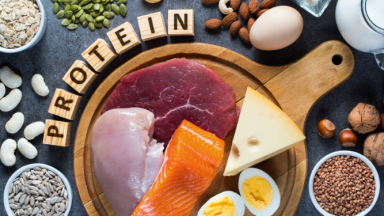
Myth: you need huge protein to be healthy
Protein is vital, but most people meet needs with normal portions. Extra protein may help athletes, not everyone. Balance with plants, dairy, or lean meats.
Real science measures outcomes like strength, recovery, and health markers. Aiming for varied sources gives vitamins and fiber that single foods miss.
Myth: all fats are bad
Fats differ. Unsaturated fats from fish, nuts, and olive oil support heart health. Trans fats and excess saturated fat raise risk when overused.
- Favor unsaturated fats: avocado, olive oil, fatty fish.
- Avoid trans fats: check labels for hydrogenated oils.
- Limit saturated fat: choose lean cuts and low‑fat dairy when needed.
Context matters: overall diet pattern predicts risk more than single foods. Studies that look at long‑term eating patterns give the best clues.
Myth: supplements replace a healthy diet
Supplements can fill gaps but rarely match whole foods. Vitamins work with fiber, antioxidants, and other compounds in foods.
Research warns about high doses and interactions. Choose tests or professional advice before starting regular supplements.
When reading claims, check who funded the study and whether results were replicated. Trusted sources and consistent data form the basis of real science on nutrients.
Practical swaps that improve everyday eating
Practical swaps can boost your healthy eating with little effort. Small, smart choices fit into any day and add up fast.
Swap your breakfast basics
Start the day with steady fuel that keeps you full and focused. Swap sugary options for ones with fiber and protein.
- Oats with fruit instead of frosted cereal — more fiber and less sugar.
- Greek yogurt and berries instead of flavored yogurt — more protein, less added sugar.
- Whole‑grain toast and an egg instead of a pastry — steady energy and vitamins.
These swaps are easy to prep and reduce mid‑morning cravings. Little wins at breakfast change how you eat the rest of the day.
Smarter snacks and portions
Choose snacks that pair fiber with protein to hold you longer. A fruit plus a handful of nuts beats a bag of chips.
Portion control helps too: pre‑portion snacks into small containers so you don’t eat straight from the bag. This makes healthier choices automatic.
- Veggies and hummus instead of chips — crunch with fiber and healthy fat.
- Apple slices and peanut butter instead of candy — balanced sweetness and protein.
- Air‑popped popcorn instead of buttered movie popcorn — whole grain, lower fat.
Cook and flavor with less fat and more taste
Change cooking methods to cut excess calories without losing flavor. Simple swaps keep meals satisfying.
- Roast, grill, or bake instead of frying — less oil, more flavor.
- Use olive oil or avocado in moderation rather than butter or margarine.
- Boost herbs and citrus instead of heavy sauces — big flavor, fewer calories.
These methods preserve nutrients and make vegetables more appealing. Try one change per meal and notice the difference.
Swap sugary drinks for water or sparkling water with lemon. Swap creamy dressings for vinaigrettes or plain yogurt mixes. Small condiment switches cut hidden calories.
Practical swaps focus on whole foods, balanced portions, and real flavor. Over time, these easy moves support better energy, mood, and long‑term health.
When to trust experts and when to be skeptical
Nutrition & Diet Myths Explained: Common Mistakes That Affect Healthy Eating can blur the line between solid advice and opinion. Know how to judge an expert and when to raise a flag.
Check the expert’s credentials
Look for formal training in nutrition, medicine, or public health. A degree and relevant board certification matter.
- Academic background: degrees in nutrition, dietetics, medicine, or public health.
- Licenses and certifications: registered dietitian (RD/RDN) or medical board credentials.
- Institutional ties: links to universities or hospitals add credibility.
Credentials do not prove perfection, but they show the person learned accepted methods and standards.
Watch for conflicts of interest
When an expert profits from a product, take claims with caution. Funding can bias results and spin interpretations.
- Funding source: industry‑funded studies may favor the sponsor’s product.
- Commercial ties: endorsements, patents, or company roles can skew advice.
- Transparent disclosures: trustworthy experts disclose ties openly.
Prefer guidance backed by independent groups or consensus statements from public health bodies.
Check how the expert backs claims. Good experts cite peer‑reviewed studies and explain limits. Beware of sweeping statements that lack evidence or rely on single small trials.
Look for consensus and reproducible evidence
One study rarely changes guidance. Reliable advice rests on multiple studies and reviews that point the same way.
- Meta‑analyses and reviews: summarize many studies and weigh evidence.
- Replication: repeated findings across populations are stronger.
- Updated guidelines: check current recommendations from major health organizations.
Timing matters too: advice rooted in long‑term studies beats quick, trendy reports.
Trustworthy experts explain uncertainty. They use clear language, admit limits, and suggest practical steps. Skepticism is smart when claims promise miracles, ignore trade‑offs, or ask you to buy pricey products to “prove” a point.
Simple checks and steady habits cut through diet hype. Look for clear evidence, choose whole foods, and favor small, practical swaps. When in doubt, ask a qualified expert before trying extreme fixes.
FAQ – Nutrition & Diet Myths Explained
How can I tell if a diet claim is trustworthy?
Check for peer‑reviewed studies, reputable health organizations, study size and length, and whether independent experts agree.
Are carbohydrates always bad for weight loss?
No. Quality and portion matter—choose whole grains and vegetables over refined carbs, and balance with protein.
Should I rely on supplements instead of food?
Not usually. Whole foods offer fiber and cofactors supplements lack. Use supplements only for specific gaps and after advice.
When is it safe to trust a nutrition expert?
Trust experts with relevant credentials (RD/RDN, MD), transparent funding, clear evidence, and who admit uncertainty and limits.